Salt Lake City Struggles with Worst Air Quality in the Nation as Inversion Lingers
Salt Lake City faces the worst air quality in the U.S. this week, with unhealthy conditions expected to linger through the weekend.
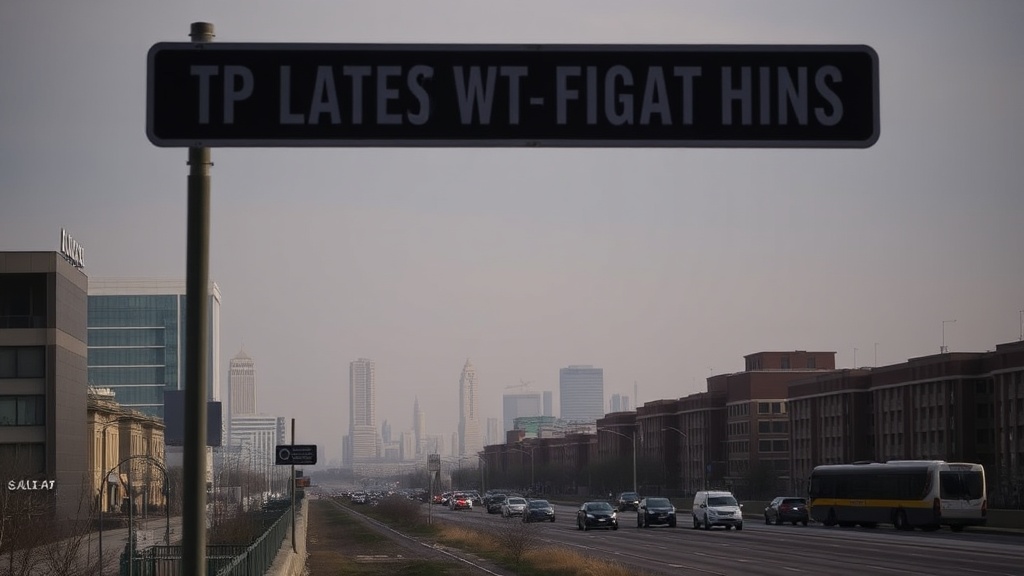
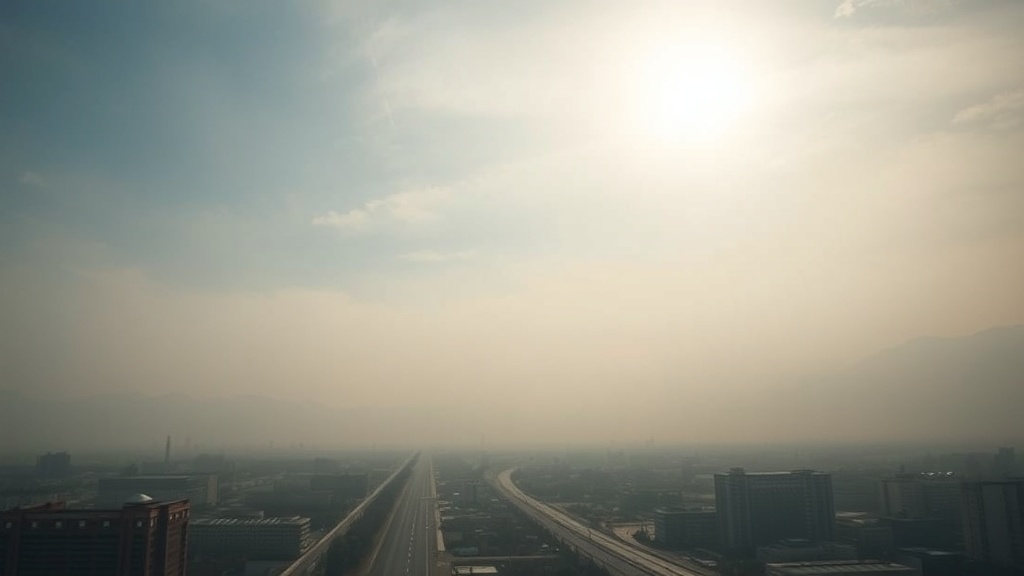
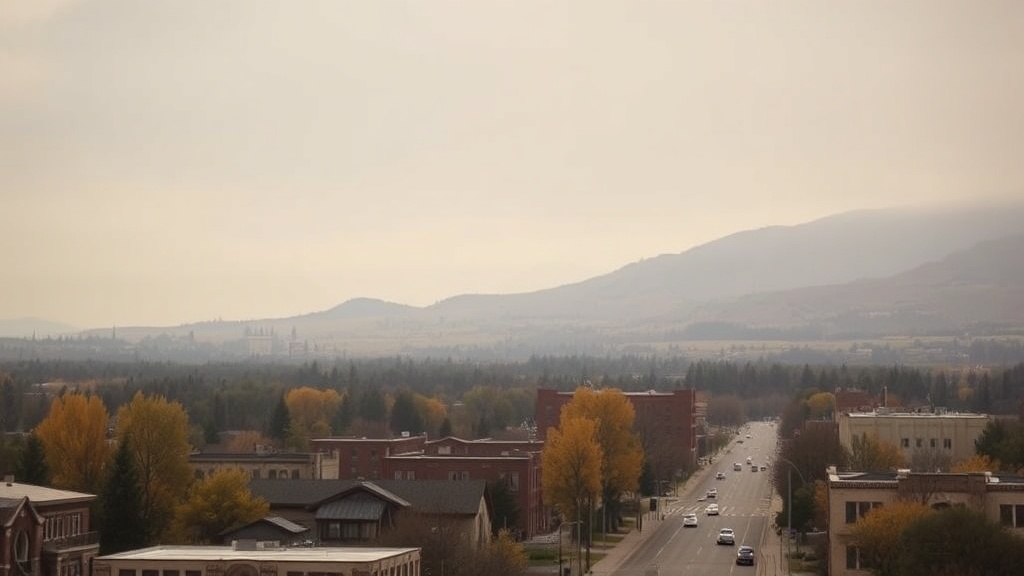
Salt Lake City, Utah, has found itself at the top of a concerning national list this week, grappling with the worst air quality in the United States. As the city continues to be enveloped by a thick haze of pollution, residents are advised to take precautions and limit outdoor activities, as the unhealthy air quality is expected to persist through the weekend. According to the National Weather Service, Tuesday marked a particularly troubling day for air quality, with Salt Lake City’s air being classified as the dirtiest in the nation. The Utah Department of Environmental Quality (DEQ) has projected that the conditions will remain 'unhealthy for sensitive groups' through at least Sunday, highlighting the serious implications for public health and well-being.
The region’s topography plays a significant role in its air quality issues. Salt Lake Valley is surrounded by the Wasatch and Oquirrh mountains, which contribute to a meteorological phenomenon known as temperature inversion. During inversion events, cold air becomes trapped in the valley, leading to a build-up of pollutants and harmful particulate matter beneath a layer of warmer air. This phenomenon typically requires the intervention of low-pressure weather systems or strong storms to disperse the trapped air and improve conditions. As residents endure this persistent inversion, experts warn that the prolonged high-pressure weather systems can exacerbate air quality problems, increasing the frequency and intensity of such events.
Historically, Utah experiences about five to six multi-day inversion episodes each winter, according to the DEQ, with an average of 18 days marked by elevated levels of fine particulate matter (PM2.5) that pose significant health risks. In light of this week's poor air quality, the city has recommended multiple mitigation strategies for its residents. Salt Lake City officials encourage the use of public transportation, reduction of vehicle use, and minimizing idling times to help alleviate the smog problem. Transportation is a major contributor to wintertime particulate pollution, accounting for almost 50% of emissions during these inversion periods. Additionally, residents are reminded that solid fuel burning is prohibited during times of poor air quality to further limit harmful emissions.
The health impacts of air pollution are significant, with a 2020 study from Brigham Young University indicating that air quality issues in Utah may reduce median life expectancy by as much as 3.6 years. The same study estimates that the state experiences between 2,500 and 8,000 premature deaths annually due to poor air quality. Exposure to high levels of pollution is linked to an increased risk of serious health issues, including heart attacks, asthma, congestive heart failure, pneumonia, and chronic obstructive pulmonary disease (COPD). Furthermore, prolonged exposure can lead to a heightened risk of stroke, cancer, reproductive issues, mental health disorders, and immune system dysfunction.
While everyone can experience adverse health effects from poor air quality, certain groups, including older adults, children, pregnant women, and individuals with pre-existing heart and lung conditions, are particularly vulnerable. University of Utah Health recommends that residents stay hydrated, limit outdoor activities, wear protective masks such as N95 or N99 when outside, and utilize indoor air purification during high pollution episodes.
The economic ramifications of air pollution in Utah are equally concerning. The BYU study estimates that air pollution costs Utah approximately $1.9 billion annually when accounting for healthcare expenses, crop damage, and lost earning potential. This figure does not include indirect costs such as decreased tourism and economic growth, which could push the total losses to as high as $9 billion per year, according to national estimates. As Salt Lake City faces ongoing challenges with air quality, the interplay between environmental health and economic well-being remains a critical concern for policymakers and residents alike.
As the inversion lingers and temperatures remain low, Salt Lake City is bracing for the potential continuation of this public health crisis. The combination of geographical factors, weather conditions, and human activities necessitates a concerted effort from both individuals and authorities to implement effective air quality management strategies. With the health of its residents at stake and economic impacts looming, Salt Lake City’s struggle with air quality serves as a stark reminder of the ongoing challenges posed by environmental pollution, particularly in urban settings. Residents are urged to stay informed and take necessary precautions as they navigate through this period of poor air quality, hoping for relief in the coming days.