Utah DWR Implements Deer Cutouts to Reduce Wildlife Vehicle Collisions
The Utah DWR has introduced deer cutouts in northern Utah to reduce wildlife vehicle collisions, enhancing driver awareness in high-risk areas.
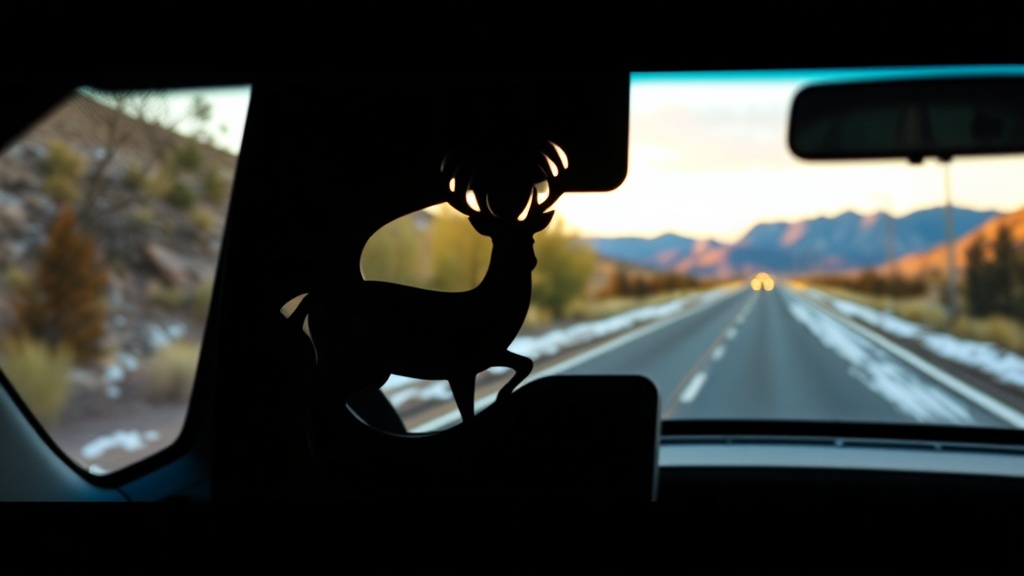
In an innovative effort to curb wildlife-related vehicle collisions, the Utah Division of Wildlife Resources (DWR) has recently deployed deer cutouts across northern Utah. This initiative targets areas identified as high-risk zones for deer-vehicle accidents, aiming to enhance driver awareness and potentially reduce the number of incidents on the roads.
The DWR's decision comes in response to alarming statistics regarding wildlife collisions in the state. According to the DWR, Utah sees thousands of such accidents each year, with deer being the most frequently involved species. In fact, reports indicate that over 1,000 deer were killed in vehicle collisions in the past year alone, prompting state authorities to take action to protect both wildlife and motorists.
The strategic placement of the deer cutouts, which are designed to resemble real deer in size and shape, aims to create an illusion that may catch the attention of drivers as they approach known wildlife crossing areas. These cutouts are strategically positioned at locations where drivers have frequently encountered deer, particularly during dusk and dawn when deer are most active. The DWR hopes that the presence of these cutouts will remind motorists to stay vigilant, especially in regions where wildlife is known to cross roadways.
"We want to raise awareness among drivers about the potential for wildlife encounters on the road," said DWR spokesperson, Jessica Williams. "The cutouts serve as a visual reminder that deer could be nearby, encouraging drivers to slow down and be more cautious."
In addition to the cutouts, the DWR is conducting public outreach campaigns to educate the community about the importance of wildlife safety. These campaigns include informational brochures, social media posts, and community meetings aimed at raising awareness about the risks associated with wildlife collisions. The DWR emphasizes that understanding wildlife behavior and being aware of peak crossing times can significantly decrease the likelihood of accidents.
Moreover, the cutouts are part of a broader strategy that includes warning signs and fencing in particularly dangerous areas. DWR officials have been working closely with local law enforcement and transportation agencies to enhance safety measures along major highways and rural roads where wildlife encounters are most frequent. This collaborative approach not only aims to protect wildlife but also to ensure the safety of Utah's drivers.
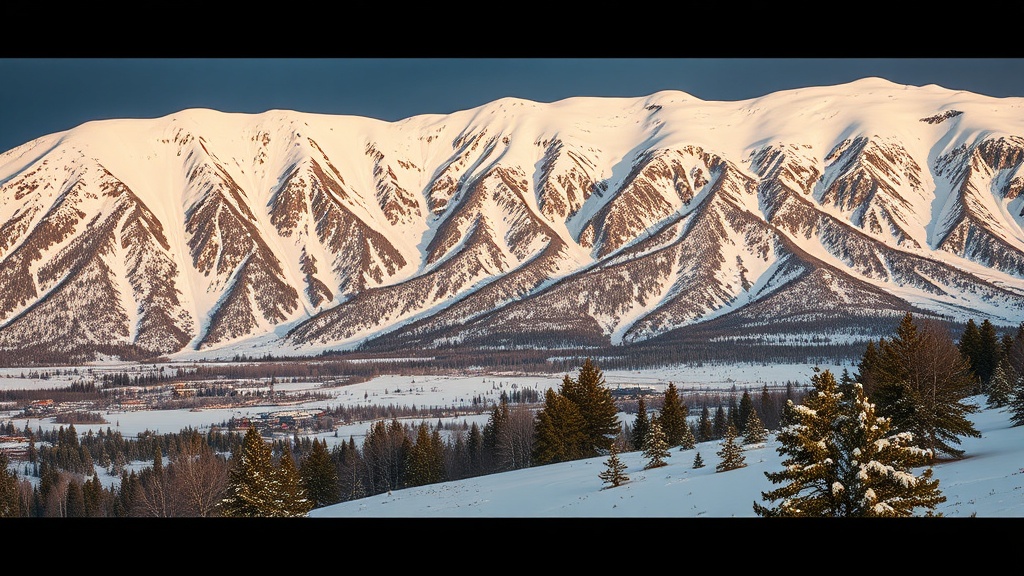
Local residents have expressed their support for the initiative. Many believe that the deer cutouts will serve as an effective tool for alerting drivers to the presence of wildlife. "I think it’s a great idea," said Annie Reynolds, a resident of Cache Valley. "You never know when a deer might jump out onto the road, especially at night. These cutouts could really help people to be more careful."
The DWR is not alone in its efforts; similar initiatives have been implemented in other states facing wildlife collision issues. For example, in Colorado and Montana, wildlife agencies have seen positive results from the installation of cutouts and other preventative measures. These states have reported reductions in wildlife collisions, suggesting that such strategies can be effective in mitigating risks associated with wildlife on roadways.
As the deer cutout project rolls out across northern Utah, the DWR will monitor its effectiveness through accident reports and driver feedback. The agency plans to evaluate the success of the cutouts by tracking changes in collision rates in the areas where they have been installed. This data will be crucial in determining whether the cutouts should be a permanent feature in Utah’s wildlife safety strategy.
In conclusion, the Utah Division of Wildlife Resources is taking proactive steps to address the pressing issue of wildlife-vehicle collisions through the creative use of deer cutouts. This initiative not only aims to protect deer populations but also to safeguard motorists, making Utah's roads safer for everyone. As this program unfolds, it will serve as a model for other states grappling with similar challenges, demonstrating the importance of innovative thinking in wildlife conservation and road safety efforts.