Southwest Utah Advances Water Reuse Plans Amid Growing Demand Crisis
Southwest Utah confronts a water crisis with new reuse plans as demand skyrockets. Community input is crucial for sustainable solutions.
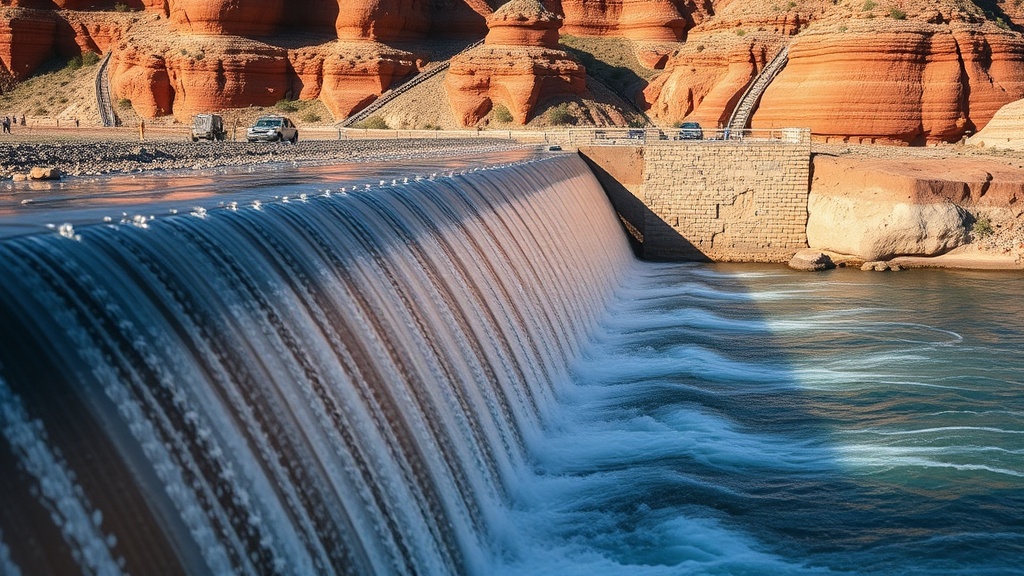
In response to a looming water crisis, leaders in southwest Utah are pushing forward with ambitious water reuse initiatives aimed at addressing the region's escalating demand. Washington County, one of the fastest-growing areas in the state, faces significant challenges regarding water availability, with projections indicating that demand will outstrip supply in the coming decades. Water conservation and reuse strategies are now at the forefront of local policy discussions, as residents and officials alike grapple with the reality of a changing climate and increasing population.
At a recent public meeting, Ben Woolf, a prominent figure in the region's water management, presented a striking graph illustrating the disparity between projected water supply and demand over the next 50 years. "If you’re paying attention, this is the slide that should keep you awake at night," Woolf warned, emphasizing the urgent need for action. The graph depicted a concerning trend: while the population is expected to soar, the water supply is not keeping pace with this growth.
Washington County's population has been on the rise, driven by an influx of new residents attracted by the area's picturesque landscapes and favorable climate. However, this growth brings with it increased pressure on an already strained water system. As summer temperatures rise and drought conditions persist, the need for sustainable water management has never been more critical.
To mitigate the impending crisis, local water managers are exploring various solutions, including the implementation of advanced water reuse technologies. These systems are designed to treat and recycle wastewater, transforming it into potable water suitable for drinking, irrigation, and other uses. By repurposing existing water resources, officials hope to reduce the demand on the region’s freshwater supplies.
One of the key projects under consideration is a large-scale water reclamation facility that would allow for the treatment of wastewater from homes and businesses. This facility would not only help meet the community's growing water needs but also enhance the resilience of the local water supply against the backdrop of climate change.
Local residents have been invited to weigh in on these plans during a series of public meetings scheduled throughout the month. These forums provide an opportunity for community members to learn about the proposed initiatives, ask questions, and express their concerns. The feedback gathered during these sessions will be crucial in shaping the final approach to water reuse in the area.
Moreover, community engagement is vital, as water reuse often sparks debates surrounding public health, environmental impact, and cost. Some residents express apprehension about the safety of recycled water, while others advocate for the necessity of innovative solutions to ensure sustainable water access. The county has emphasized its commitment to transparency and education, aiming to address any misconceptions about water reuse technologies.
"We want to make sure everyone understands the science behind water reuse and how it can benefit our community," stated county water director, Sarah Jensen. "The more informed our residents are, the better decisions we can make together as a community."
In addition to water reuse, Washington County is also looking at a range of conservation measures aimed at reducing overall water consumption. These initiatives include public education campaigns on efficient water use, incentives for residents to install water-saving fixtures, and restrictions on outdoor watering during peak heat. By combining these strategies, officials hope to stretch the limited water supply further and delay the projected date when demand will exceed supply.
The implications of these plans extend beyond just immediate water availability; they are also tied to the broader economic health of the region. Agriculture, tourism, and real estate are all sectors that depend heavily on reliable water access. As water scarcity becomes a more pressing issue, the economic viability of these industries may be jeopardized, underscoring the importance of proactive water management strategies.
As Washington County grapples with its water future, the decisions made today will undoubtedly shape the landscape of the community for generations to come. The challenge is significant, but so is the opportunity to innovate and adapt. With public input being a cornerstone of this planning process, residents are encouraged to participate actively, ensuring their voices are heard in the critical discussions that will determine the region's water sustainability.
In conclusion, as southwest Utah moves forward with its water reuse plans, it stands at a crossroads where effective management and community engagement will be essential in navigating the challenges ahead. By prioritizing sustainable practices and embracing innovative technologies, the region aims to secure a resilient water future amid ongoing pressures of growth and climate change.