Unseasonably Warm Weather and Hazy Conditions Persist Along the Wasatch Front
Residents in Utah face hazy sunshine and above-average warmth, impacting air quality and agriculture as inversion conditions prevail.
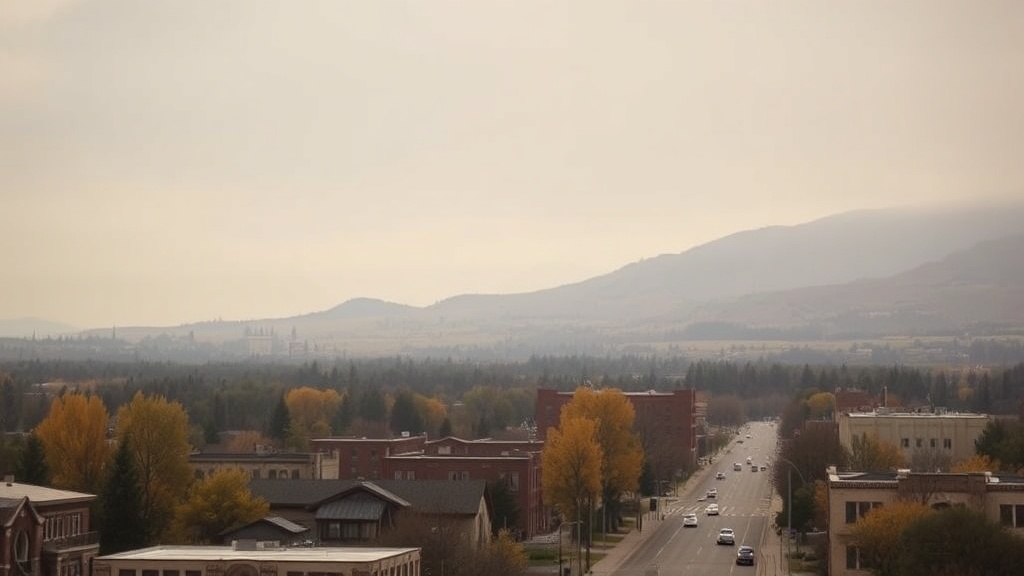
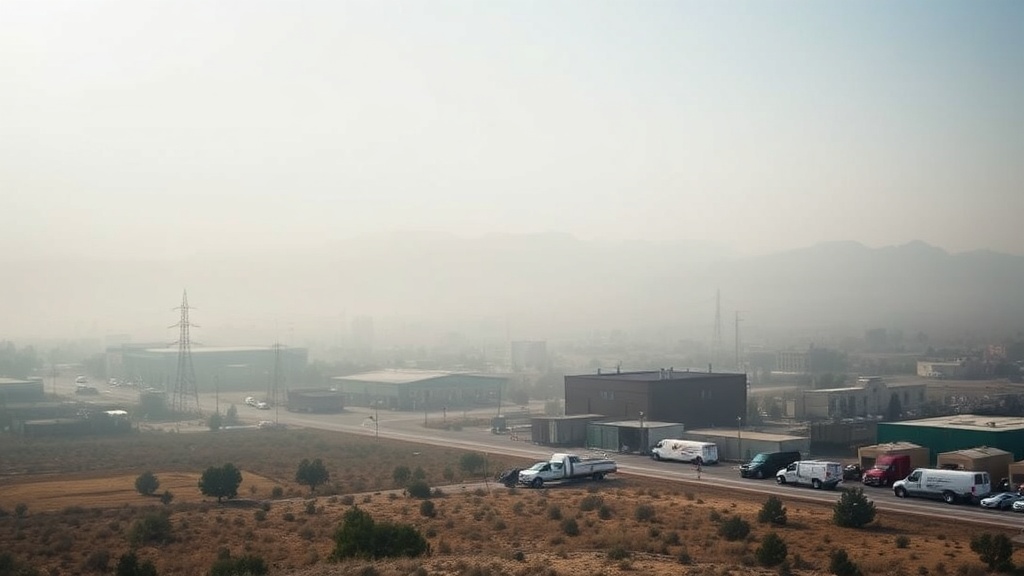
As the workweek draws to a close, residents of the Wasatch Front are experiencing a weather pattern characterized by hazy sunshine and unseasonably warm temperatures. The high-pressure system dominating the region is not only bringing atypically warm January weather but is also leading to compromised air quality, particularly in northern valleys due to inversion conditions.
Meteorologists have indicated that high pressure is firmly in control of the weather patterns across Utah. This system has effectively trapped pollutants close to the surface in many northern valleys, resulting in what is known as temperature inversion. Temperature inversion occurs when a layer of warm air sits atop cooler air at the surface, preventing the upward movement of air and contributing to the accumulation of harmful particulates. According to the Utah Department of Environmental Quality (DEQ), air quality in affected areas is expected to remain in the moderate to unhealthy range for sensitive groups, emphasizing the importance of minimizing outdoor activities for those at risk.
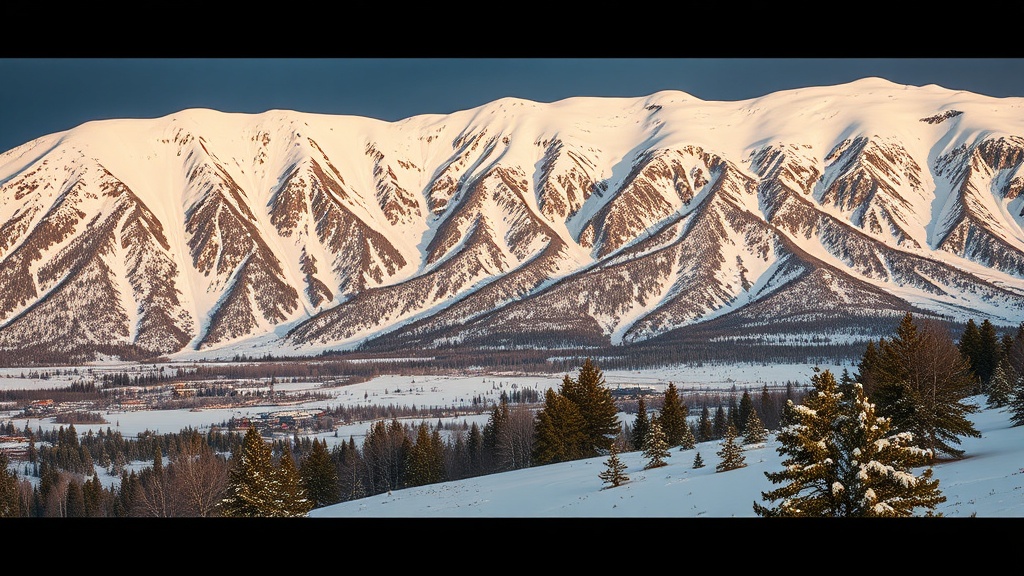
The weather this January has been notably warmer than average, with many areas across the state reporting temperatures that surpass the typical seasonal norms. For instance, Salt Lake City has recorded average daytime highs in the mid-40s Fahrenheit, which is roughly 10 degrees above the historical averages for this time of year. Such warmth is unusual during January, which is typically one of the coldest months in Utah. The National Weather Service has noted that this trend of warmer weather is not confined to urban areas but extends to more rural and mountainous regions as well.
The warmth has had a variety of implications across the state. Ski resorts, which rely heavily on consistent snowfall, are facing challenges as the warmer temperatures hinder the natural snow-making process. While resorts like Park City and Snowbird have made significant investments in snowmaking technology, the reliance on artificial snow may not be a sustainable solution in the long term, especially if these warmer trends continue. Skiers and snowboarders are advised to check conditions before heading out, as the snowpack can vary significantly from one resort to another.
Moreover, the warmer weather has prompted concerns among farmers and agricultural experts. Winter crops, which rely on cold temperatures to thrive, may be adversely affected by the warmer conditions. Experts from Utah State University Extension are urging farmers to monitor their crops closely and to employ strategies to mitigate the effects of the unexpected warmth. The unusual weather patterns could have ripple effects on the agricultural sector, potentially impacting crop yields and prices in the coming months.
In addition to the challenges posed by the weather, local health officials are keeping a watchful eye on the air quality situation. The DEQ has recommended that residents limit outdoor activities, particularly in the mornings and evenings when pollution levels tend to peak. Sensitive groups, including children, the elderly, and those with respiratory issues, are especially vulnerable to the effects of poor air quality. The state has also initiated public awareness campaigns to educate residents about the importance of monitoring air quality and taking necessary precautions.
Looking ahead, meteorologists are cautiously optimistic about a potential shift in weather patterns. Some models suggest that a cold front may move into the area in the coming days, potentially breaking the high-pressure system that has been entrenched over the region. If this occurs, it could lead to a return of colder temperatures and improved air quality conditions. However, as with all weather predictions, uncertainty remains, and residents are encouraged to stay informed through reliable weather updates.
As Utah continues to navigate these unusual weather patterns, the implications are far-reaching. From the impact on outdoor recreation, agriculture, and public health, the state's residents are faced with the challenges posed by a climate that appears to be shifting. As we move deeper into winter, monitoring these changes will be crucial for adapting to the conditions that lie ahead. In the meantime, residents are encouraged to enjoy the unseasonably warm weather while being mindful of the air quality advisories in place.
In conclusion, the current weather conditions along the Wasatch Front are a stark reminder of the complexities associated with climate variability. While the warm sunshine may seem pleasant, the underlying issues of air quality and agricultural impacts highlight a need for continued awareness and action. As discussions about climate change and its effects become increasingly prominent, Utahns will have to consider how best to adapt to these emerging challenges.