Hazy Skies and Poor Air Quality Persist in Utah This Weekend
Utah faces ongoing air quality issues with hazy skies as a high-pressure system leads to temperature inversions this weekend.
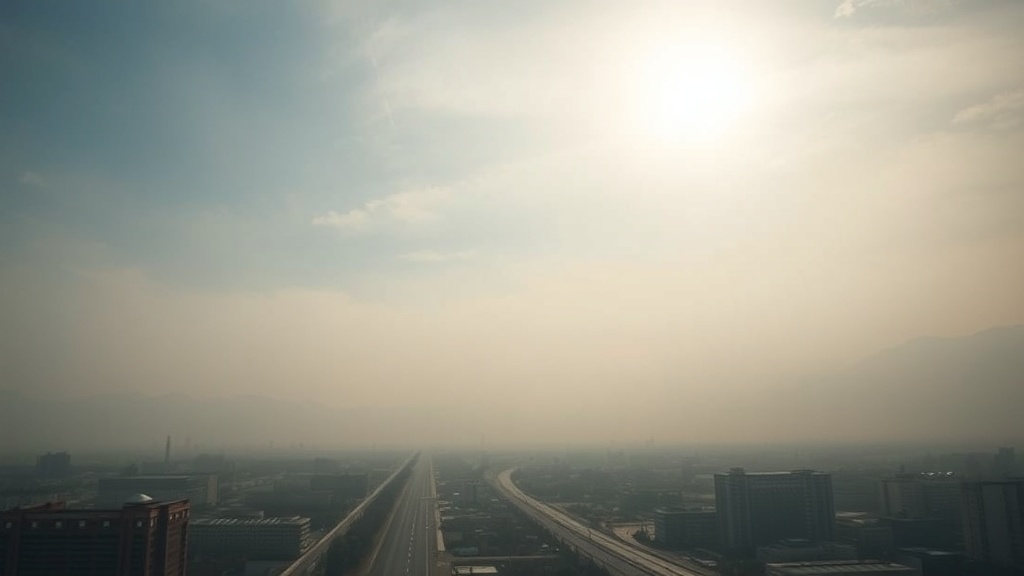
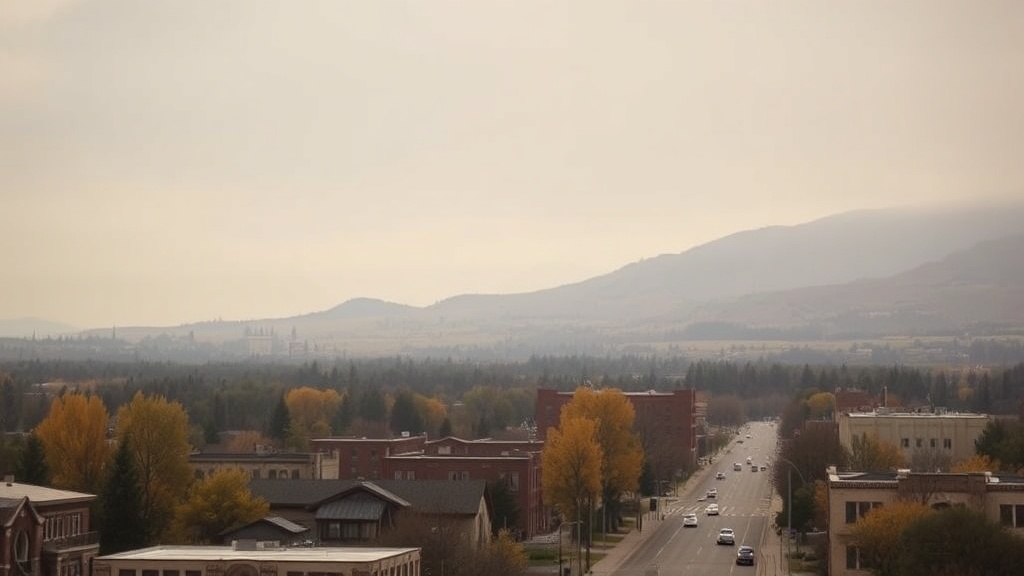
As Utah heads into the weekend, residents are grappling with reduced air quality and persistent hazy skies. The recent weather conditions can be attributed to a substantial ridge of high pressure established across the western United States. This atmospheric phenomenon has led to a weather pattern characterized by temperature inversions, which trap pollutants and moisture, resulting in unfavorable air quality and cooler temperatures in the valleys.
Meteorologists have reported that this high-pressure system is preventing the normal mixing of air layers, a process that typically helps disperse airborne pollutants. As a result, many areas throughout Utah are experiencing elevated levels of particulate matter and other pollutants, which can pose health risks, especially to vulnerable populations such as children, the elderly, and those with pre-existing respiratory conditions.
The Utah Department of Environmental Quality (DEQ) has issued advisories urging residents to limit outdoor activities, particularly during the early morning and late evening hours when air quality tends to be at its worst. "We are asking residents to be mindful of the air quality and to take necessary precautions, especially if they are in sensitive groups," said a DEQ spokesperson. The agency has been closely monitoring air quality levels, and forecasts indicate that these conditions may persist into the weekend and possibly beyond.
In addition to the air quality concerns, the weather patterns are also contributing to cooler temperatures in the valley areas compared to higher elevations. Residents in cities such as Salt Lake City and Provo may notice a stark contrast in temperatures as they experience a chill in the air, while mountain areas enjoy relatively warmer conditions. This inversion effect can lead to a significant drop in temperatures, with valleys sometimes being as much as 10 to 15 degrees cooler than surrounding higher elevations.
Local meteorologist John Smith explained, "When we have a temperature inversion, the warmer air above traps the cooler air below, which can lead to cloudy skies and a persistent haze. This is particularly common during the fall and winter months in Utah due to our geographical location and weather patterns."
The ongoing haze has also prompted concerns about visibility on roadways, particularly for those traveling in and out of the state. The Utah Department of Transportation (UDOT) has reported that visibility may be reduced during these conditions, advising drivers to exercise caution and adjust their driving behavior accordingly. Traffic accidents related to poor visibility have increased, leading to several reports of minor collisions in the area.
Health experts are emphasizing the importance of monitoring air quality indexes and taking proactive measures to mitigate exposure. The DEQ has recommended that individuals use air purifiers indoors, keep windows closed, and wear masks if they must venture outside. Additionally, residents are encouraged to stay updated on air quality reports through the DEQ’s Air Quality Index tool, which provides real-time data on pollution levels across the state.
In light of these weather conditions, local outdoor events and activities may be affected. Some sporting events and community gatherings have been postponed or relocated due to health and safety concerns regarding air quality. Local schools are also evaluating outdoor recess and physical education activities in accordance with air quality advisories, prioritizing student health and safety.
As the weekend approaches, many Utahns are left wondering when they might see relief from these hazy conditions. Meteorologists suggest that a change in the weather pattern could be on the horizon, but for now, residents are advised to remain vigilant and prioritize their health as they navigate through this prolonged period of poor air quality. The DEQ continues to monitor the situation closely and will provide updates as conditions evolve.
In summary, the ridge of high pressure causing inversion haze and poor air quality is expected to linger into the weekend, impacting daily life for many Utah residents. With health advisories in effect and cooler temperatures expected in the valleys, it is essential for the community to stay informed and take necessary precautions during this challenging weather pattern. Residents are encouraged to look forward to potential changes in the weather that may bring improved air quality in the near future.