Kamas City Council Moves to Adopt Wildfire Mitigation Ordinance Amid State Law Changes
Kamas City Council is set to adopt a WUI ordinance to comply with new state laws aimed at wildfire mitigation and homeowner safety.
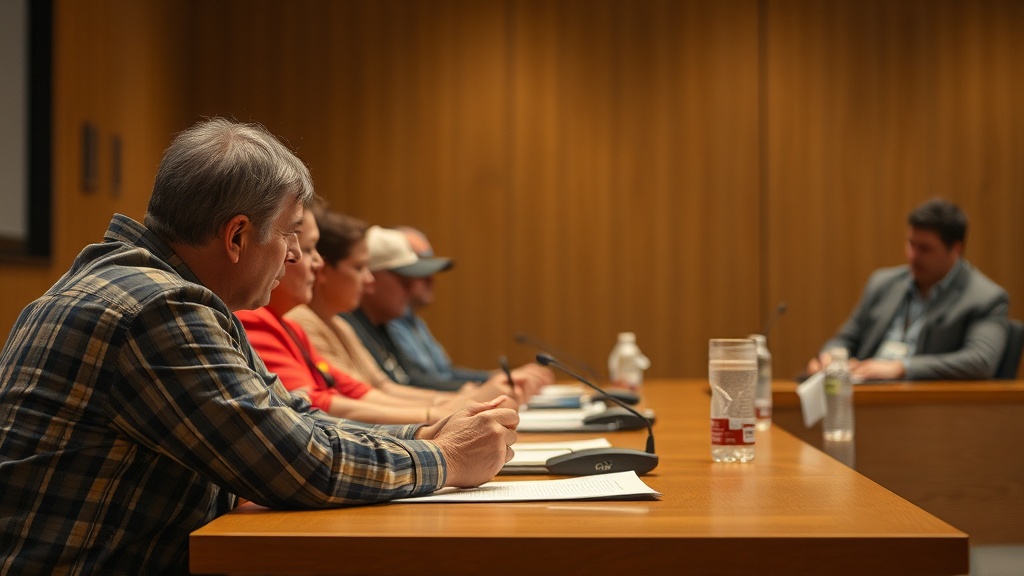
In a proactive step to enhance fire safety and comply with new state legislation, the Kamas City Council is set to adopt a wildland urban interface (WUI) ordinance aimed at mitigating wildfire risks. This decision follows the passage of House Bill 48 by the Utah Legislature last year, which mandates municipalities to establish specific building codes for new developments in areas where urban development meets wildland zones. The ordinance is expected to be formalized at the council's upcoming meeting, aligning Kamas with state requirements designed to protect homes and communities from the increasing threat of wildfires.
The new state law requires local governments to implement fire-resistant building codes for structures in WUI areas by January 1. These codes will obligate developers to utilize fire-resistant materials, provide adequate water systems, and ensure road access for emergency services during wildfire events. However, many municipalities, including Kamas, were unable to meet this deadline due to unresolved questions surrounding the legislation and a delay in the release of an updated statewide map of high-risk WUI areas by the Utah Division of Forestry, Fire and State Lands, which was only published in late December.
Summit County Fire Warden Bryce Boyer addressed the Kamas City Council, advising them about the implications of not adopting an ordinance. While Boyer indicated that the state is unlikely to impose penalties for non-compliance at this stage, he stressed the importance of having a WUI map and the required building codes in place before the onset of the wildfire season. Under House Bill 48, municipalities that fail to adopt such ordinances risk losing state funding for wildfire-related damage and emergency responses.
The state law not only targets city officials but also significantly impacts homeowners residing in WUI areas. It introduces an annual fee ranging from $20 to $100 for homeowners, based on the taxable square footage of their property. This fee will fund assessments conducted by Forestry, Fire and State Lands to evaluate compliance with the new building codes. Boyer emphasized the importance of homeowners taking action to “harden” their properties against wildfires by adopting measures such as installing metal roofs, using fire-resistant fencing materials, and clearing brush and debris from roadways.
Boyer elaborated on the critical role of embers in the spread of wildfires. He noted that many fires can escalate quickly, primarily due to wind-driven embers igniting combustible materials in their proximity. To further assist homeowners, the law encourages them to undergo assessments from certified state employees, who will recommend mitigation actions tailored to each property. Homeowners who complete these recommended actions will benefit from reduced fees, providing a financial incentive to enhance their fire preparedness.
Importantly, the Division of Forestry, Fire and State Lands clarified that while assessments are not mandatory, homeowners who opt out will automatically incur the highest fee and be classified as high-risk. This classification underscores the urgency for property owners to engage in proactive fire safety measures. Boyer highlighted the law's intent to prevent insurance companies from denying coverage to homeowners in high-risk zones, noting that insurers must now refer to the state’s WUI mapping when determining a property's risk profile. Homeowners can potentially lower their risk classification by complying with the home hardening measures outlined in the legislation.
The changes brought by House Bill 48 reflect a growing concern over wildfire risks in Utah, where changing climate conditions and increased urban development have heightened vulnerabilities. Boyer pointed out that there has been a trend of insurance companies either refusing to insure properties in certain areas or significantly raising premiums due to wildfire risks. The law aims to counteract this trend by encouraging homeowners and local authorities to take proactive measures to reduce fire risks, ensuring that affordable insurance options remain available.
The Kamas City Council is expected to finalize the adoption of the WUI ordinance and corresponding map in their next meeting, taking a significant step toward enhancing community resilience against wildfires. For more information regarding the new WUI legislation, homeowners can visit the Utah Division of Forestry, Fire and State Lands website, which offers a comprehensive FAQ and additional resources. Property owners can also assess their wildfire risk by visiting the Utah Wildfire Risk Assessment portal.
As wildfire season approaches, the urgency of these legislative measures becomes increasingly evident, highlighting the need for both local governments and homeowners to prioritize fire safety and preparedness in their planning efforts.