Concerns Rise Over Water Usage as AI Data Centers Develop in Millard County
As AI data centers rise in Millard County, concerns grow over water usage amid severe drought conditions.
As the construction of artificial intelligence (AI) data centers progresses in Millard County, concerns are mounting regarding the potential impacts on water resources in a region already grappling with severe drought conditions. The influx of tech companies eager to capitalize on the area's favorable conditions for data storage has prompted environmental advocates and local residents to question the sustainability of such developments, particularly in a state where water scarcity has become an increasingly pressing issue.
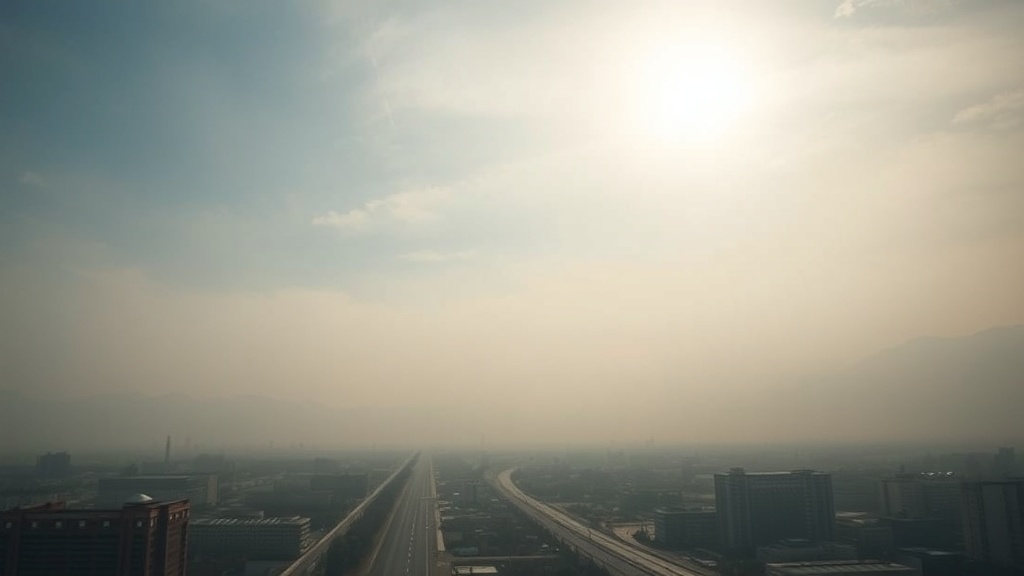
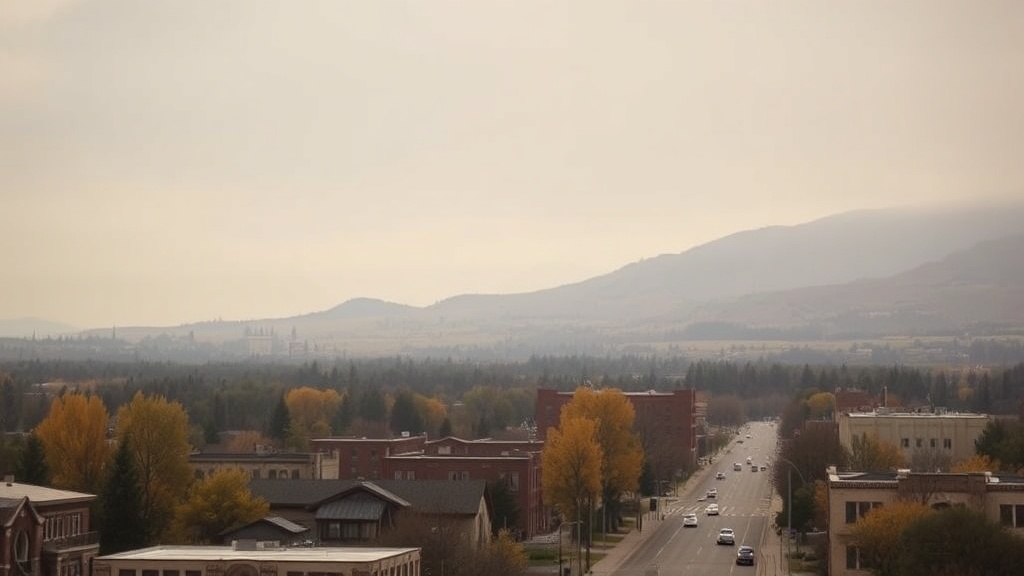
Millard County, located in central Utah, has historically been known for its vast open spaces and agricultural lands. However, the ongoing drought has dramatically altered the landscape of natural resource management in the region. According to the U.S. Drought Monitor, Utah has been classified as experiencing varying degrees of drought for several years, with many areas facing extreme conditions. This has led to heightened awareness of water conservation efforts, particularly as the state continues to grapple with one of its driest periods on record.
The construction of AI data centers, which require significant amounts of energy and water for cooling and operational needs, has raised alarms among community members and environmental groups. "The water cost of an AI prompt may be higher than you think," said Dr. Emily Johnson, a hydrologist at the University of Utah. "These data centers consume vast amounts of water, and in a place like Millard County, where water is already a limited resource, the implications could be severe."
Data centers are known to utilize water for cooling systems. As technology advances, the demand for AI processing capabilities and data storage grows exponentially. Industry experts estimate that a single AI model training run can consume thousands of gallons of water, leading to concerns about the cumulative impact of multiple centers operating in close proximity. Local advocates fear that the situation may worsen if more data centers continue to establish operations in the area.
The local government has been working to attract tech companies to Millard County, viewing the arrival of data centers as a boon for economic development. County officials have highlighted the potential for job creation and increased tax revenue as compelling reasons for embracing this new wave of technology. However, the economic benefits must be weighed against the environmental costs, a balancing act that has proven to be contentious.
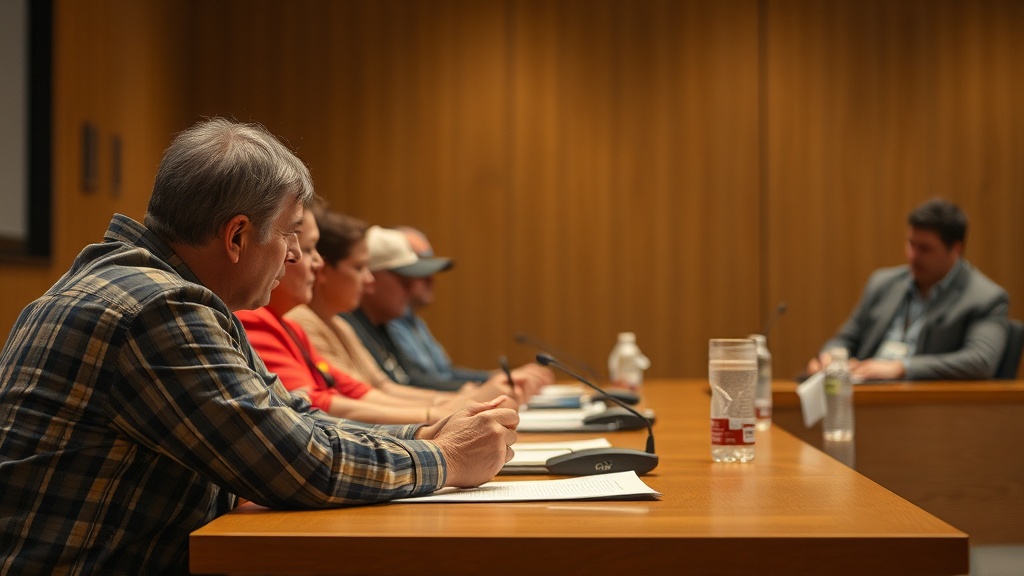
In response to growing concerns, Millard County officials held a public forum last week to discuss the implications of AI data centers and their water usage. Residents were given the opportunity to voice their opinions and ask questions regarding the environmental impact of these facilities. Many participants expressed anxiety about the long-term sustainability of water resources in the face of such developments. "We need to prioritize our water, especially during these dry years," said local farmer Linda Martinez. "Once it's gone, it’s gone."
The forum also featured presentations from experts in water management and environmental science, who underscored the necessity of developing a comprehensive water management plan. They urged local leaders to consider implementing regulations that would limit water use for data centers or require companies to invest in water conservation technologies. The discussion highlighted the need for transparency and proactive measures to mitigate potential risks associated with water consumption.
Despite the concerns, proponents of the data centers argue that modern technology can be integrated sustainably. Many companies are exploring alternative cooling methods, such as utilizing waste heat recycling systems that minimize water usage. Additionally, some tech firms have committed to offsetting their water consumption by investing in local conservation efforts and sustainable water projects.
The debate over AI data centers in Millard County exemplifies a broader tension between technological advancement and environmental stewardship. As Utah continues to face challenges related to water scarcity, the decisions made today will have lasting impacts on the community's ability to manage its most precious resource.
As construction continues and more companies express interest in establishing data centers in the region, stakeholders are calling for a collaborative approach. Experts suggest that involving local communities in decision-making processes and fostering partnerships between tech companies and environmental organizations could lead to more sustainable outcomes. The path forward remains uncertain, but the conversation about water usage and AI development in Millard County is just beginning.
In conclusion, the ongoing construction of AI data centers in Millard County raises critical questions about water usage in an area already facing drought challenges. As advocates push for more responsible resource management, the balance between economic growth and environmental sustainability will be crucial in shaping the future of this region. The implications of these developments extend beyond Millard County, serving as a case study for other communities navigating similar issues in the age of technology.