Zoning Controversy Erupts Over Great Salt Lake Wetlands Development
The Salt Lake City Planning Commission has voted against a zoning change that would impact 80 acres of wetlands, igniting debates on development vs. preservation.
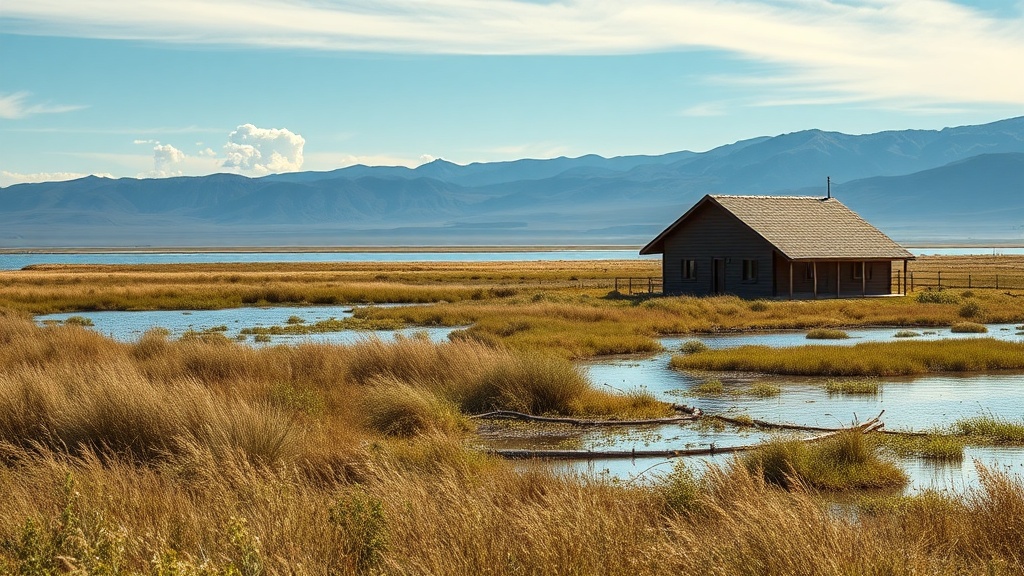
In a contentious meeting that highlighted the ongoing tug-of-war between development and environmental preservation, the Salt Lake City Planning Commission recently voted against a proposed zoning change affecting nearly 80 acres of wetlands near the airport. The proposal, which aimed to rezone the land from agricultural to commercial use, has sparked heated debates among local developers and environmental advocates, each presenting compelling arguments regarding the future of the Great Salt Lake wetlands.
The wetlands in question are located just south of Salt Lake International Airport and play a crucial role in the local ecosystem. They serve as a habitat for numerous bird species, including migratory birds that rely on the area for nesting and feeding. The wetlands also contribute to water quality by filtering pollutants and providing flood control. However, developers argue that the area represents a prime opportunity for economic growth and infrastructure development, seeking to capitalize on its proximity to the airport.
At the core of the debate is the balance between economic development and environmental sustainability. Developers presented their case to the Planning Commission, emphasizing the potential for job creation and increased tax revenue that could result from transforming the wetlands into commercial space. "This land has the potential to bring significant economic benefits to our community," said John Smith, a representative for the development group advocating for the zoning change. "With the airport nearby, it could attract businesses that are looking for convenient access to transportation."
However, environmental advocates vehemently opposed the proposal, arguing that the wetlands are irreplaceable and should be preserved for future generations. Organizations such as the Utah Audubon Society and the Great Salt Lake Audubon Society voiced their concerns at the public hearing, emphasizing the ecological significance of the wetlands. "The Great Salt Lake is a critical resource for our ecosystem," stated Jane Doe, an environmental activist and member of the Utah Audubon Society. "Destroying these wetlands for commercial development would have dire consequences for wildlife and our climate."
The Planning Commission's ultimate decision to recommend against the zoning change came after extensive public testimony and a thorough review of the potential impacts on the environment. Many commission members expressed their concerns about the long-term implications of altering the wetlands. "We have to consider what we are sacrificing for short-term gains," said Commissioner Tom Johnson during the meeting. "The wetlands are vital not just for wildlife, but for our community's health and resilience against climate change."
As the commission's recommendation moves to the Salt Lake City Council for final consideration, the proposal has drawn attention from various stakeholders, including city officials, local businesses, and residents. The council will now weigh the economic benefits against the environmental costs, a decision that could set a precedent for future development in the area.
Critics of the proposed change have called for a more comprehensive approach to land use planning that prioritizes environmental protection while still allowing for economic development. They argue that the city should explore alternative locations for commercial projects that do not jeopardize critical ecosystems. "We need to find a way to grow our economy without sacrificing our natural resources," said environmental consultant Mark Green. "There are other areas in the city that are better suited for development without harming our wetlands."
The Great Salt Lake wetlands are already facing significant challenges due to climate change, water diversion, and urban development. The lake itself has been shrinking over the past few decades, leading to increased salinity levels and harming the delicate balance of the ecosystem. Environmentalists warn that further encroachment on the wetlands could exacerbate these issues, threatening the wildlife that inhabit the area and diminishing the ecological services the wetlands provide.
As the Salt Lake City Council prepares to deliberate on the Planning Commission's recommendation, both developers and environmental advocates are gearing up for what promises to be an intense discussion. The outcome of this debate will not only impact the proposed zoning change but could also shape the future of land use policies in Salt Lake City, as it navigates the competing interests of growth and sustainability.
In conclusion, the clash over the zoning change for the Great Salt Lake wetlands exemplifies the broader struggle many communities face in balancing economic development with environmental stewardship. As public awareness of climate change and ecological preservation grows, the decisions made in Salt Lake City could serve as a pivotal moment in addressing these critical issues. The city now stands at a crossroads, where the choices made today will have lasting implications for the environment, the economy, and future generations.