Utah Faces Lingering Smog and Haze, Relief Expected This Weekend
Utah continues to face a smog crisis, with air quality advisories in effect. Relief may come this weekend as a storm system approaches.
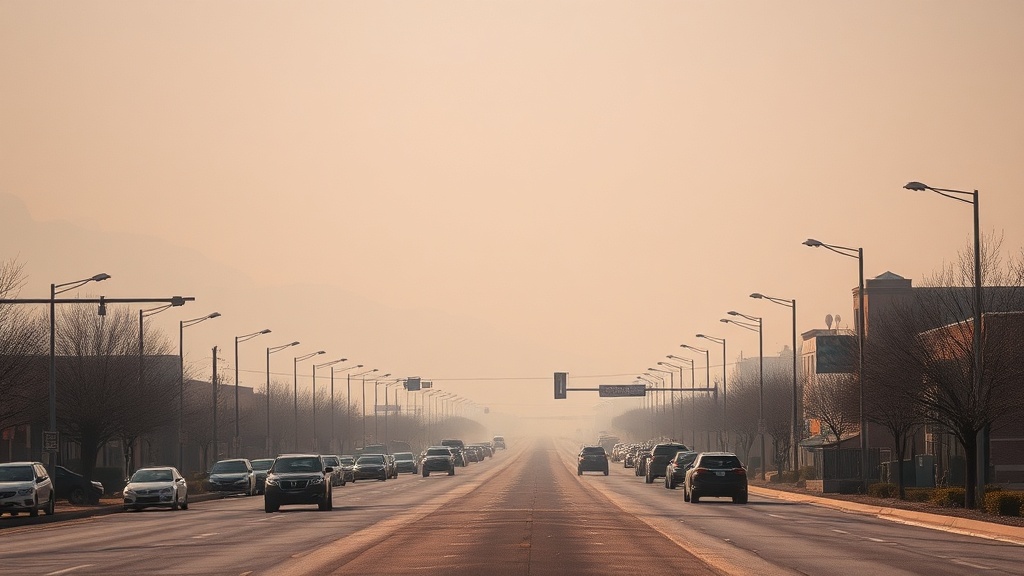
SALT LAKE CITY, Utah – Residents of Utah are bracing for another day engulfed in smog and haze as air quality continues to deteriorate due to persistent temperature inversions. The state has been experiencing a weather pattern that traps cold air and pollutants in the valleys, leading to unhealthy air conditions that are expected to last through Friday. However, meteorologists have indicated that a storm system moving into the northern plains this weekend may provide some much-needed relief, albeit temporarily.
Inversions occur when a layer of warm air traps cooler air at the surface, preventing pollutants from dispersing. This phenomenon has become increasingly common in Utah’s winter months, particularly in the northern regions where geographical factors exacerbate the issue. The Utah Department of Environmental Quality (DEQ) has issued advisories, warning residents of poor air quality and advising them to limit outdoor activities, particularly those involving strenuous exercise.
According to the National Weather Service, the high temperatures across the state on Thursday are expected to hover around the mid-40s in Salt Lake City, with sunny skies masking the poor air quality. However, the sunny weather is deceptive; the lingering haze and areas of fog could pose health risks for vulnerable populations, including children, the elderly, and those with pre-existing respiratory conditions.
"The inversion has been quite persistent this week, leading to a buildup of pollutants in the air," said meteorologist Brian McInerney. "While we are expecting a storm to approach late Friday, it’s important to note that it won’t directly impact Utah. Instead, it will bring in colder air that might help ventilate some of the stale air trapped in the valleys."
The anticipated storm system is expected to move into the northern plains late Friday and into Saturday morning, potentially breaking up the inversions in some areas. While complete relief is unlikely, forecasters believe that air quality could improve slightly as the storm brings in colder, cleaner air. However, McInerney cautioned that any improvements may not last long, as weaker inversions are likely to develop next week, leading to a resurgence of valley haze.
"This is a common cycle we see in the winter months here in Utah," McInerney added. "While we might get a brief respite, the underlying conditions that lead to inversions are still very much present."
For communities particularly affected by air quality issues, local health officials are urging residents to stay informed on air quality levels through resources such as the Utah DEQ’s air quality monitoring website. The DEQ has been actively working to alert residents about when conditions are safe for outdoor activities and when they should remain indoors to protect their health.
In St. George, conditions are markedly different, with sunny weather and highs reaching the mid-60s. However, as the weekend approaches, even southern regions may feel the effects of the incoming storm. Nights are expected to be clear and cold, with lows in the mid-30s, providing a stark contrast to the conditions in northern Utah.
Residents are advised to prepare for potential changes in weather conditions as the weekend approaches. Although precipitation is unlikely, the shift in temperatures could lead to more favorable conditions for outdoor activities in areas less affected by the inversions.
In light of the current situation, many Utahns are turning to technology for real-time updates on air quality and weather conditions. Mobile applications like the Utah Weather Authority app have become increasingly popular among residents seeking to stay informed about their local environment. These tools provide instant access to weather forecasts, air quality alerts, and even interactive radar images, allowing residents to make informed decisions about their outdoor activities.
As Utah continues to grapple with the challenges posed by air quality and weather conditions, the focus remains on finding long-term solutions to mitigate the impacts of inversions. Strategies may include promoting public transportation, enhancing green spaces, and educating residents about the importance of reducing emissions.
In conclusion, while some relief may be on the horizon with the approaching storm, residents are encouraged to remain vigilant about air quality and stay informed on weather updates. It is crucial for communities to work together to address the ongoing challenges posed by air pollution and to seek sustainable solutions for a healthier future. The coming days will serve as a critical time for Utahns to navigate the complexities of winter weather and its impact on air quality.