New Unified Wildland Firefighting Service Launched by Interior Department Amid Funding Concerns
The Department of the Interior launches a new wildland firefighting service amid funding challenges and Congressional skepticism.
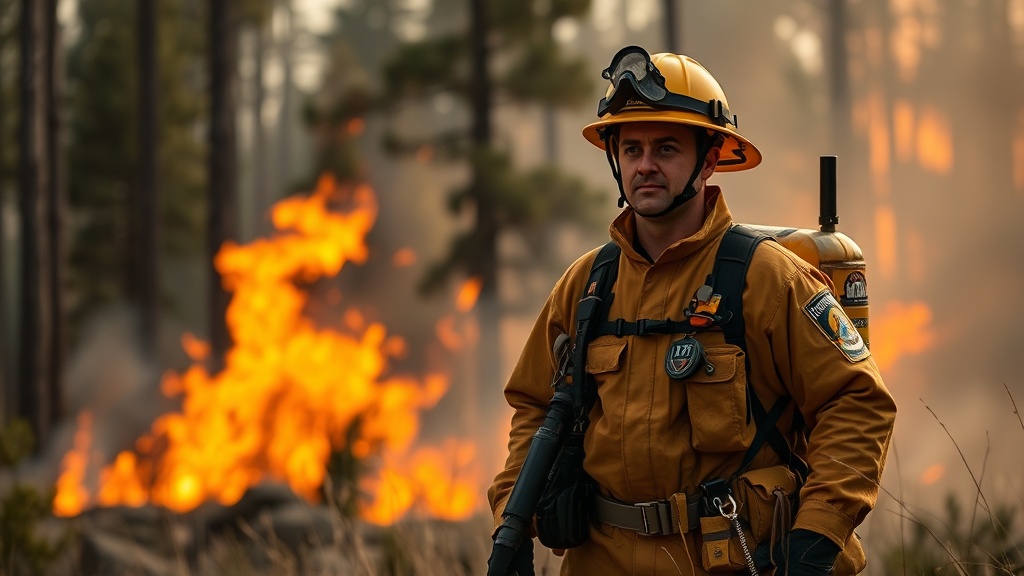
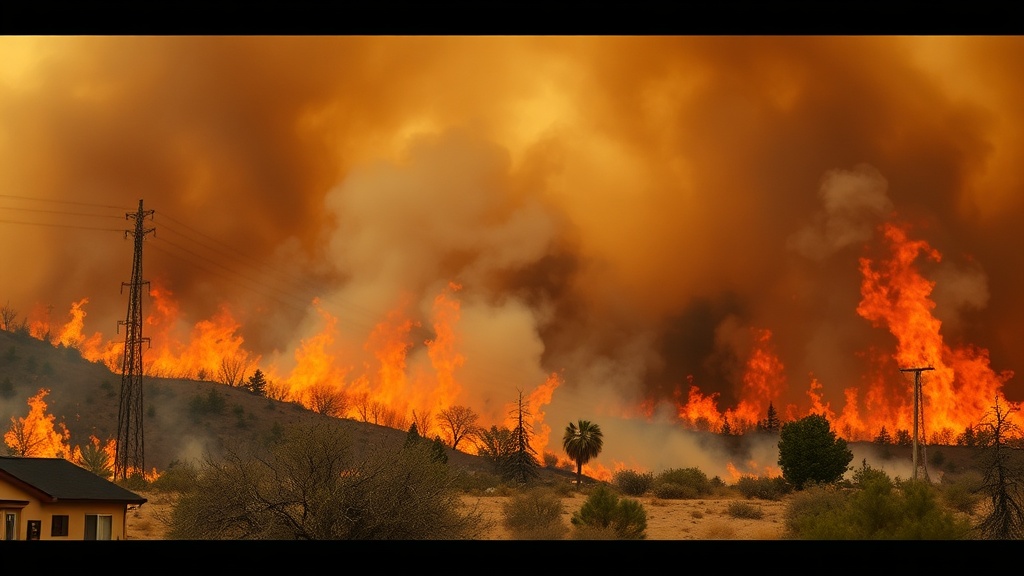
In a bold move aimed at enhancing the nation’s firefighting capabilities, the Department of the Interior (DOI) has announced the establishment of a new, unified wildland firefighting service. This initiative comes at a time when funding remains a contentious issue, and skepticism from some members of Congress lingers. The service is designed to improve coordination and effectiveness in combating the increasingly severe wildfires that threaten lives, property, and ecosystems across the United States.
The decision to create this new entity stems from a growing recognition of the need for a more integrated approach to wildland firefighting. With wildfires becoming more frequent and intense due to climate change, the DOI aims to streamline resources and improve response times. According to DOI Secretary Deb Haaland, “We are committed to building a robust firefighting force that can respond effectively to the growing threats posed by wildfires.”
Despite the ambitious goals of the new service, the lack of dedicated funding presents a significant challenge. The DOI has been operating under budget constraints, and without additional financial resources, the implementation of this new service could face serious hurdles. Congressional approval is crucial for securing the necessary funding, and some lawmakers have expressed skepticism about the feasibility of the initiative.
Senator John Barrasso, a member of the Senate Energy and Natural Resources Committee, voiced concerns during a recent hearing, stating, “While the intent of a unified firefighting service is commendable, the reality is that we need to ensure that it is adequately funded and equipped to handle the demands placed upon it.” This sentiment is echoed by several other congressional representatives who fear that without proper funding, the new service may not achieve its intended objectives.
The DOI has indicated that it plans to utilize existing resources and personnel to kickstart the initiative, but critics argue that this approach may be insufficient. Many local and state firefighting agencies are already stretched thin, responding to an unprecedented number of wildfires in recent years. The National Interagency Fire Center reported that in 2022 alone, over 60,000 wildfires burned more than 7.5 million acres across the nation. This trend raises serious questions about the capacity of existing firefighting resources to take on additional responsibilities.
Advocates for the new service argue that a unified approach could lead to more effective resource management and improved training for firefighters. By consolidating efforts under one umbrella, the DOI aims to eliminate redundancies and enhance communication between various firefighting agencies. This could potentially lead to faster response times and more effective firefighting strategies, ultimately saving lives and minimizing property damage.
The establishment of the new wildland firefighting service is also part of a broader strategy to address the impacts of climate change on wildfires. The DOI has been actively working on initiatives that incorporate climate resilience into land management practices. This includes prescribed burns, which are used to reduce fuel loads and mitigate the risk of larger, uncontrolled wildfires.
In addition to the operational challenges, the new service will also need to navigate the complex landscape of federal, state, and local firefighting policies. The integration of different agencies and their respective protocols may prove to be a daunting task. Experts suggest that clear communication and collaboration will be essential in overcoming these barriers.
As the DOI moves forward with its plans, stakeholders from various sectors—including environmental organizations, firefighting unions, and local governments—will be closely monitoring the progress of the new service. Many are hopeful that with the right support and resources, the unified wildland firefighting service can effectively address the escalating wildfire crisis.
In conclusion, the establishment of this new wildland firefighting service by the Department of the Interior represents a significant step towards enhancing the nation’s wildfire response capabilities. However, the path ahead is fraught with challenges, particularly in securing the necessary funding and ensuring effective collaboration among various agencies. As wildfires continue to pose a growing threat, the success of this initiative will be critical in safeguarding communities and preserving natural landscapes across the country.