Utah Lawmakers Aim to Mandate Water Conservation Ordinances for New Developments
Utah lawmakers are set to consider a bill mandating water conservation ordinances for new developments to combat the water crisis.

As Utah grapples with an ongoing water crisis exacerbated by climate change and declining water levels in the Great Salt Lake, state lawmakers are preparing to take decisive action. This month, the Utah Legislature is set to consider a significant bill that aims to compel cities across the state to adopt water conservation ordinances specifically for new construction projects. This initiative, spearheaded by Representative Doug Owens, D-Millcreek, seeks to address the urgent need for sustainable water use in a region increasingly threatened by drought and water scarcity.
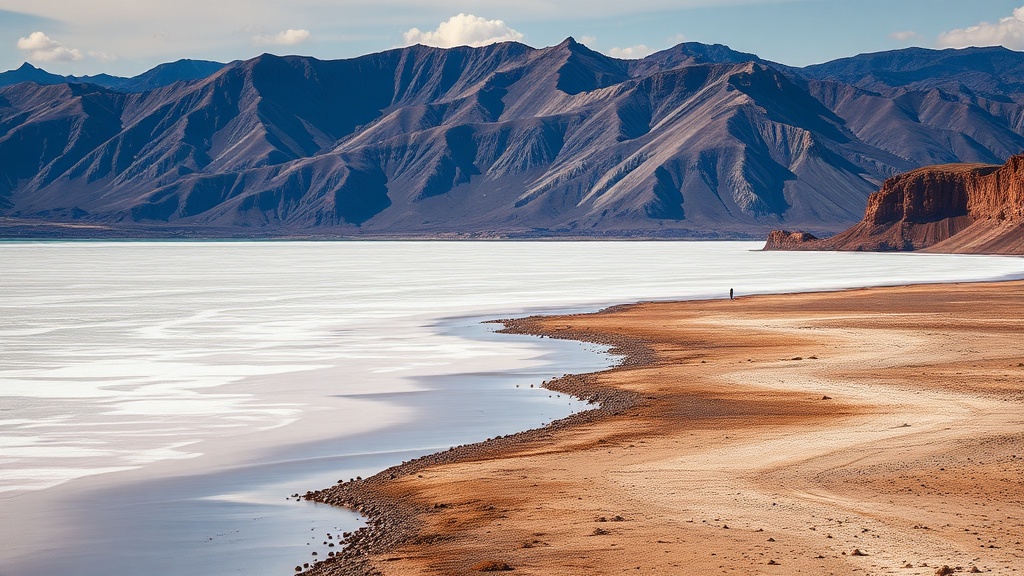
The necessity for such legislation has become glaringly apparent as Utah's population continues to grow, intensifying the demand for water resources. The Great Salt Lake, once a vibrant and vital ecosystem, has witnessed dramatic declines in water levels, leading to environmental and public health concerns. Owens’ proposed bill is part of a broader strategy to ensure that future developments in Utah prioritize water conservation, promoting the use of native, water-efficient landscaping instead of traditional grass lawns that consume significant amounts of water.
Owens expressed his commitment to the cause, stating, "In the long run, you’re going to save water, and we’re going to have that landscape in the long run because we’re not going to have water for landscaping in five or ten years. We’re going to take that water for our people and for the lake." This perspective highlights the urgency and necessity of rethinking water management practices in the state as it prepares for significant events, including the upcoming 2034 Olympics, which are expected to increase water demands.
The issue of water conservation has gained traction in recent years, with various communities beginning to explore sustainable landscaping options. A notable example is the Terraine development in West Jordan, which has garnered attention for its commitment to water-wise landscaping. The 3,000-home community, built on 600 acres, emphasizes the use of native plants and drought-resistant landscaping to drastically reduce water usage. Developers, including Ty McCutcheon from Third Cadence, report that their approach can save up to 70% of water compared to traditional developments. McCutcheon noted, "As we think about the residential environment, the place we use the most water is in our yards. If we can design yards that are both beautiful and conserve water, we can incorporate all that into our future."
The Edgingtons, a family who recently moved into the Terraine development, expressed their satisfaction with the native landscaping in their home. Bentlee Edgington shared her enthusiasm about the aesthetic appeal and environmental impact of their newly landscaped yard, demonstrating a shift in consumer preferences towards sustainability. "I really believe in sustainability, and I know about Utah’s water issues. And also, it’s freaking beautiful," Bentlee remarked. This sentiment reflects a growing awareness and commitment among homeowners to adopt practices that conserve precious water resources.
Despite these positive developments, the state’s efforts to encourage widespread adoption of water conservation ordinances have faced challenges. Data from the Utah Division of Water Resources reveal that 95 communities within the Great Salt Lake basin have yet to establish such ordinances, highlighting a significant gap in water management policy. Legislators like Owens are actively exploring ways to incentivize cities and towns to adopt these vital measures, including potential financial incentives linked to state funding.
The Utah League of Cities & Towns is currently evaluating Owens’ proposed legislation, with no official position taken as of yet. The organization represents the interests of local municipalities and will play a crucial role in determining the bill’s fate as discussions unfold in the legislature. Owens acknowledged the delicate balance lawmakers must maintain, stating, "That’s the delicate dance in the bill that we’ll have to work out is how much can we get away with. Trying to put some love and affection with please hurry up and do this because we need the water."
As lawmakers prepare to convene later this month, the outcomes of these discussions could have lasting implications for Utah's water management strategy and the health of the Great Salt Lake ecosystem. The urgency of the situation calls for immediate action, with potential legislation on the horizon promising to reshape the future of water use in one of the driest states in the nation. The combination of community efforts and legislative action could mark a turning point in Utah's approach to sustainability, influencing how residents and developers alike view water conservation moving forward.
In conclusion, as Utah faces the dual challenges of population growth and environmental degradation, the proposed water conservation ordinances could pave the way for a more sustainable future. The success of these initiatives will depend on collaboration between lawmakers, local governments, and communities committed to preserving Utah's vital water resources for generations to come.