Winter Weather Alert: Ongoing Mountain Snow and Potential Valley Snow This Week
Utah braces for continued mountain snow and possible valley rain, with winter weather advisories in effect across multiple regions.
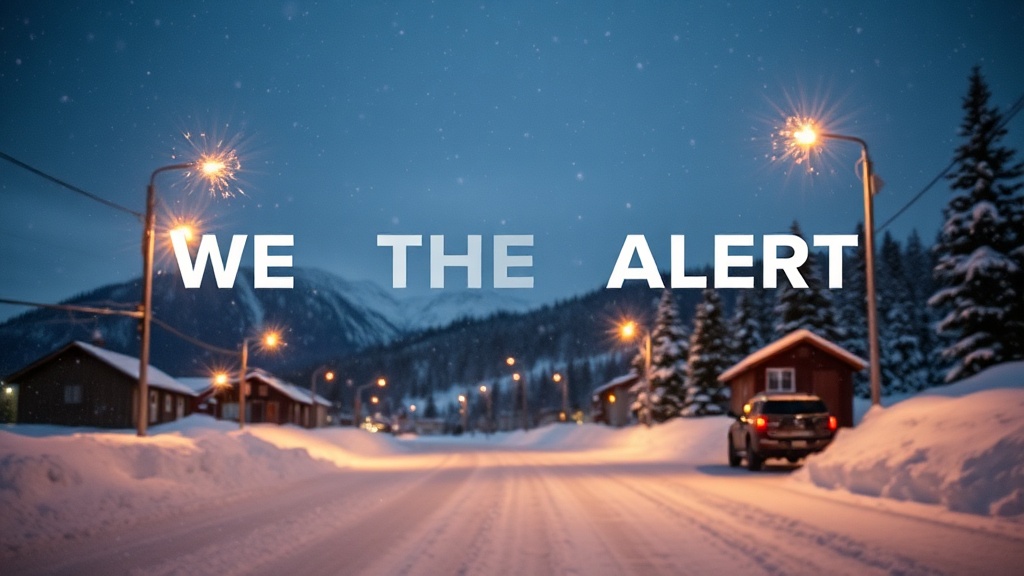
As winter weather grips the state of Utah, residents can expect a continuation of mountain snow and potential valley rain throughout Monday and into the overnight hours. The National Weather Service has issued Winter Weather Advisories for several regions, including the Wasatch Front, Western Uintas, Wasatch Plateau/Book Cliffs, and the Southern Mountains. These advisories are crucial as they warn of heavy snowfall that could significantly impact travel and outdoor activities.
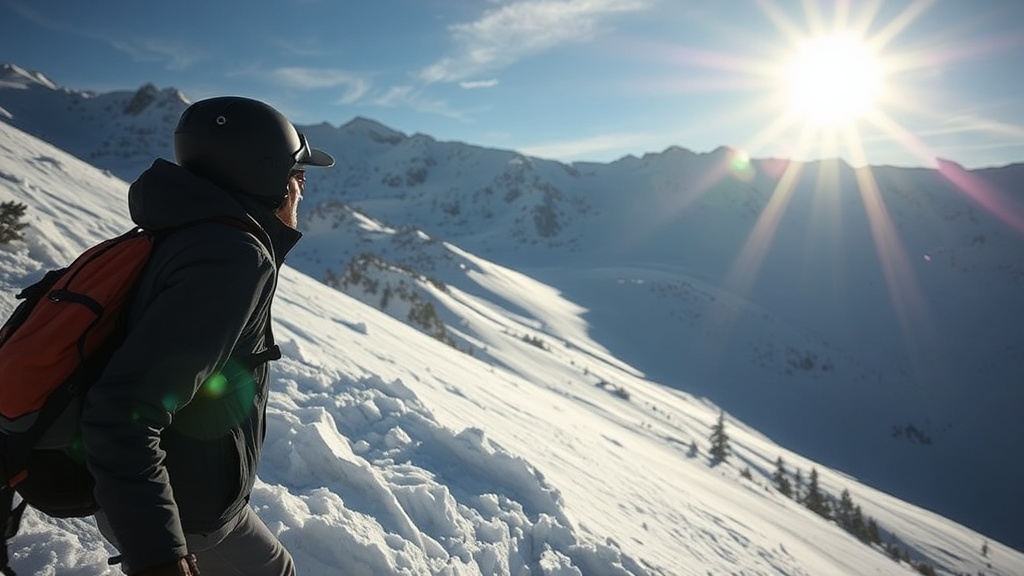
The Cottonwoods and the Bear River Range are particularly poised to receive substantial snow accumulation, with some forecasts predicting several inches by the end of the day. The snow is expected to create hazardous conditions in the higher elevations, where visibility may be reduced and roadways could become treacherous. The Utah Department of Transportation is advising motorists to exercise caution when traveling in these areas, especially as conditions may worsen later in the week.
While valley areas in cities like Salt Lake City are forecasted to remain above freezing, temperatures are expected to hover in the 40s. This means that precipitation in these lower elevations will predominantly fall as rain rather than snow. However, the situation could change as the week progresses, with increasing chances for snow in the valleys as temperatures are projected to dip later in the week. This shift could potentially lead to a mix of rain and snow on Tuesday and Wednesday, creating a complicated weather scenario for residents.
Meteorologists are closely monitoring the storm system that is currently affecting Utah. This system is drawing moisture from the Pacific Ocean, leading to increased precipitation levels across the state. The moisture-laden air is colliding with the mountainous terrain, resulting in heavy snowfall in the higher elevations while the valleys remain relatively mild.
"The snowfall amounts can vary significantly depending on altitude and location," said meteorologist Sarah Johnson from the National Weather Service. "We're particularly concerned about the Cottonwood Canyons and the Bear River Range, where the snowfall could exceed a foot in some areas. Travelers should be prepared for winter conditions, and snowplows will be working around the clock to keep roads clear."
In addition to the immediate impacts on travel, the ongoing snowfall is beneficial for Utah's water supply, which has been a concern in recent years due to drought conditions. The accumulation of snowpack in the mountains is crucial for replenishing reservoirs and providing water for agricultural needs throughout the warmer months. The snowpack acts as a natural reservoir, slowly releasing water as temperatures rise in spring and summer.
As the state prepares for the potential for valley snow later in the week, residents are being advised to stay informed about the weather conditions. Local news outlets and the National Weather Service are providing updates on weather patterns, and individuals are encouraged to check road conditions before heading out. Emergency preparedness kits are recommended for those living in areas prone to winter storms, featuring essentials such as food, water, and blankets.
Community officials are also emphasizing the importance of snow removal for public safety. Homeowners are encouraged to clear sidewalks and driveways after snowfalls to prevent accidents and ensure safe passage for pedestrians and emergency services. Snow shoveling is not only a safety measure but is also a community responsibility during the winter months.
Looking ahead, the weather forecast suggests fluctuating temperatures as the week progresses, with a possibility of more rain and snow mixtures. This variability can complicate planning for both residents and local businesses, particularly those in the tourism sector that rely on winter sports for income. Ski resorts in the region are hoping for significant snowfall, which can attract visitors and boost the local economy.
In conclusion, Utah residents should remain vigilant as winter weather continues to affect the region. With ongoing mountain snow, the potential for valley precipitation, and the necessity for safe travel practices, staying informed and prepared will be essential as conditions evolve over the coming days. The interplay between snow accumulation and temperature fluctuations will be closely watched by meteorologists and community leaders alike, as they work to ensure the safety and well-being of all Utahns during this winter season.