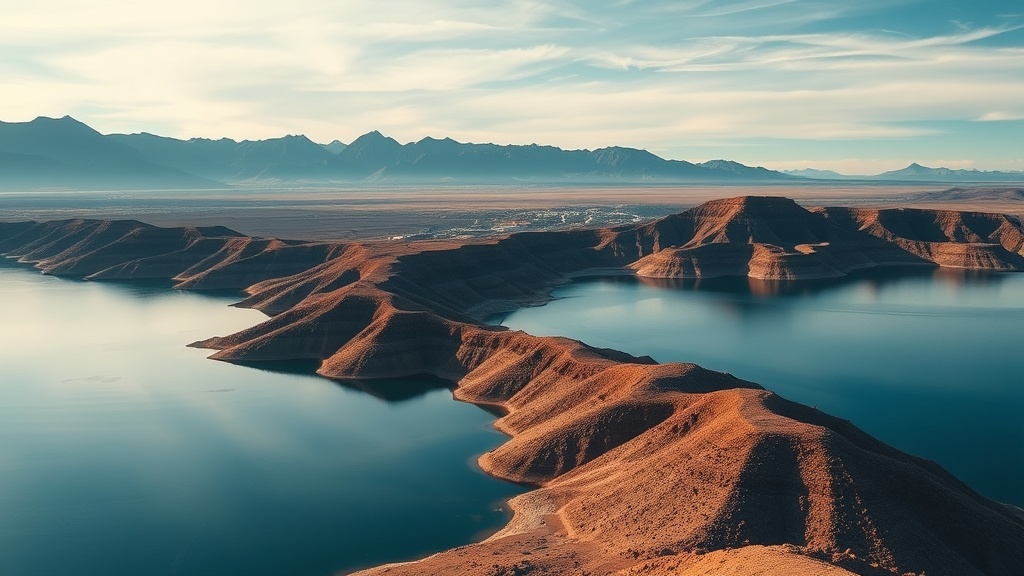
Great Salt Lake Faces Record Low Water Levels as 2026 Approaches
As 2026 nears, the Great Salt Lake is alarmingly close to record low water levels, prompting urgent ecological and public health concerns.
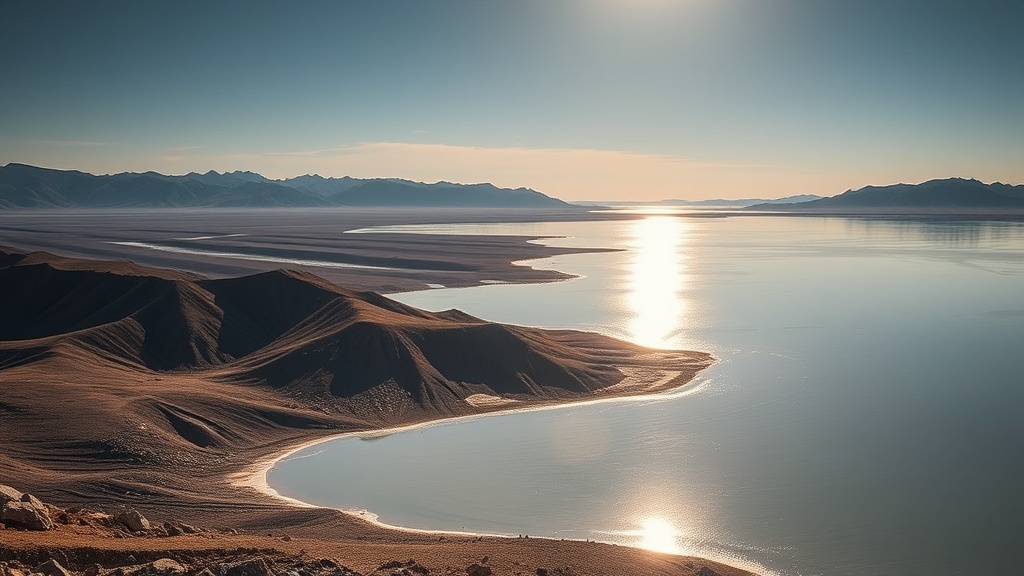
As the year 2026 approaches, the Great Salt Lake continues to hover near historically low water levels, raising concerns among environmentalists, local communities, and policymakers. This iconic body of water, once a vital ecological and economic resource for Utah, is currently experiencing a dramatic decline, prompting urgent discussions about water management, climate change, and the future of the region.
The Great Salt Lake, the largest saline lake in the Western Hemisphere, has been a crucial habitat for numerous bird species and other wildlife. However, ongoing drought conditions, exacerbated by climate change and increasing water diversion for agricultural and urban development, have contributed to its alarming decline. According to recent data from the Utah Division of Water Resources, the lake’s surface area has shrunk by nearly 60% since the 1980s, with current water levels approaching record lows observed in the late 2020s.
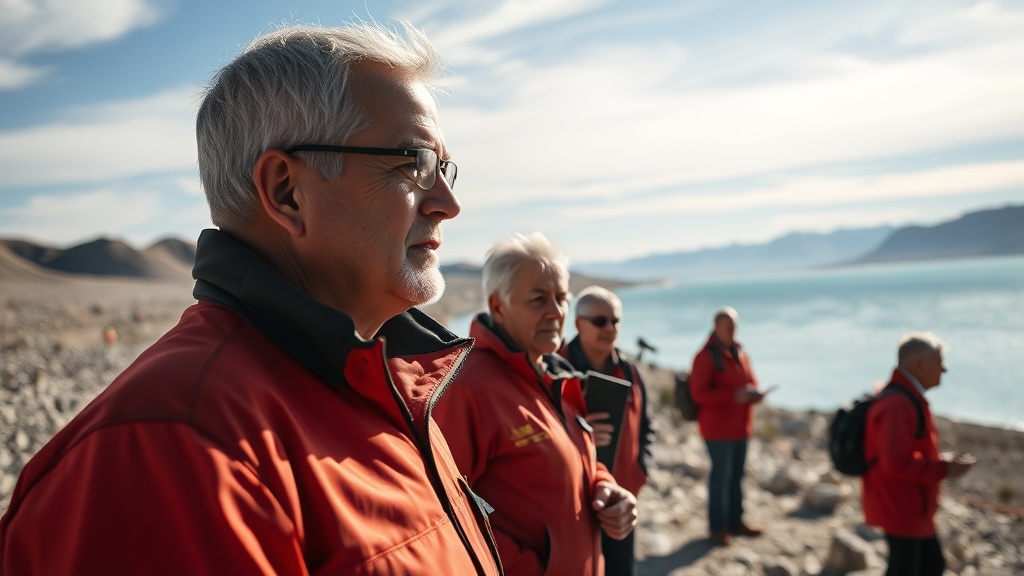
Environmental scientists have voiced their concerns about the ecological ramifications of the lake’s shrinking size. The loss of habitat for migratory birds, particularly during critical feeding and breeding seasons, poses a significant threat to avian populations. “The Great Salt Lake is a critical stopover for millions of birds along the Pacific Flyway,” said Dr. John Smith, an ornithologist at the University of Utah. “If conditions continue to deteriorate, we could witness the collapse of these populations.”
In addition to the ecological impact, the declining water levels of the Great Salt Lake have serious implications for air quality and public health. As the lake recedes, it exposes toxic dust from the lakebed, which can be carried by winds into nearby communities. This dust contains harmful substances, including arsenic and heavy metals, posing significant health risks. A study conducted by the Utah Department of Environmental Quality found a correlation between increased dust storms and respiratory issues in local populations. “We need immediate action to address this public health crisis,” emphasized Dr. Sarah Thompson, an environmental health expert.
While the situation is dire, efforts are being made to address the challenges facing the Great Salt Lake. In 2021, Utah’s state legislature passed a resolution aimed at increasing water conservation and management strategies. This legislative action included funding for research into innovative solutions for water use, with a focus on sustainability and long-term planning. “We are committed to finding ways to balance our water needs with the health of the Great Salt Lake,” stated Utah Governor Spencer Cox.
Local communities have also rallied to promote awareness and conservation efforts. Organizations such as the Great Salt Lake Audubon Society and the Friends of the Great Salt Lake are actively engaging the public in educational campaigns. These groups emphasize the importance of preserving the lake for future generations and encourage residents to adopt water-saving practices in their daily lives. “Conservation starts at home,” noted Jenna Lee, a member of the Audubon Society. “Every drop counts, and we can all do our part.”
Despite these efforts, challenges remain. The state continues to experience ongoing drought conditions, coupled with a growing population and increasing demands for water. Utah’s water allocation system, which dates back to the 19th century, is often criticized for being outdated and inefficient in addressing modern challenges. Experts argue that a comprehensive reevaluation of water rights and usage is necessary to ensure the sustainability of the Great Salt Lake and the surrounding ecosystems.
Moreover, climate change is projected to exacerbate these issues further. With rising temperatures and changing precipitation patterns, the future of the Great Salt Lake hangs in the balance. Scientists warn that without significant intervention, the lake could face irreversible damage, leading to a host of environmental and health issues for the region.
As Utah enters 2026, the plight of the Great Salt Lake serves as a critical reminder of the interconnectedness of water resources, environmental health, and community well-being. The decisions made in the coming years will be pivotal in determining the fate of this vital ecosystem and the people who depend on it. In the face of mounting challenges, collective action and innovative solutions will be essential to safeguard the Great Salt Lake for generations to come.
In conclusion, the Great Salt Lake's precarious situation highlights the urgent need for collaborative efforts in water management and conservation. With the stakes higher than ever, it is imperative that stakeholders, from government officials to local residents, come together to protect this irreplaceable natural resource.