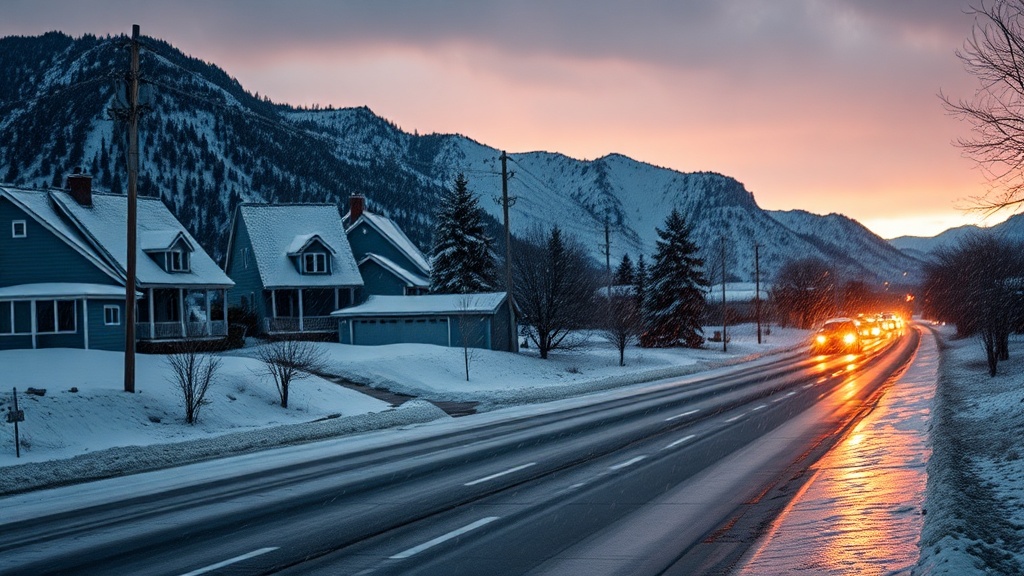
Avalanche Risks Increase in Utah Mountains: Essential Safety Tips
As snowfall increases in Utah, the risk of avalanches rises. Stay informed and safe with expert tips from the Utah Avalanche Center.
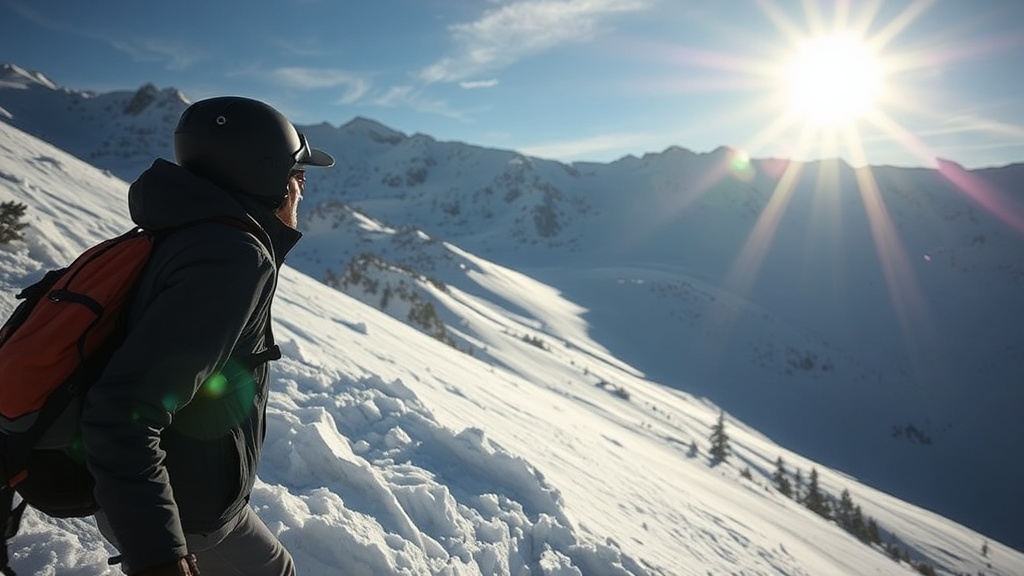
As winter progresses and Utah experiences an increase in snowfall, the potential for avalanches in the state's mountainous regions is on the rise. The Utah Avalanche Center is urging outdoor enthusiasts to stay informed and prepared for avalanche conditions, emphasizing that awareness is crucial for safety in the backcountry.
Historically, winter in Utah can see varying conditions, but this year has started with an unusual warm and dry spell. Greg Gagne, a forecaster at the Utah Avalanche Center, noted, "It’s been a warm, dry start to the winter," which may have led some people to underestimate the avalanche risks associated with the current snow accumulation. Despite the warmer temperatures, significant snow has been steadily building in the mountains, creating a concerning situation for those venturing into the backcountry.
"People haven't been thinking about snow and avalanches," Gagne explained. To combat this mindset, he encourages the public to start preparing for avalanche risks as conditions change. The first step in this preparation is to pay attention to the avalanche forecasts provided by the Utah Avalanche Center. Gagne stated, "We update forecasts every morning by 7 a.m., seven days a week throughout the entire winter season." This timely information is essential for anyone planning to recreate in the mountains.
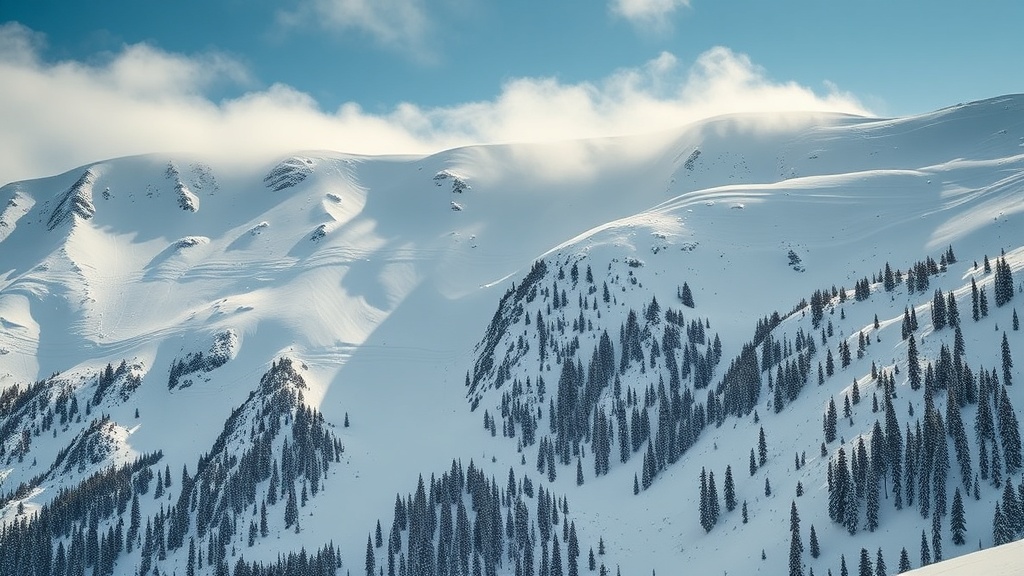
For individuals unfamiliar with avalanche terrain, Gagne emphasized the importance of recognizing risky areas. He explained, "If it’s a snow-filled slope, 30 degrees or steeper, it’s considered avalanche terrain." Understanding these basic principles can help individuals make informed decisions while exploring the slopes. Furthermore, Gagne highlighted the necessity of being vigilant for warning signs that may indicate an increased avalanche risk. These signs include heavy snowfall, strong winds, and visible cracks propagating across the snow surface.
Even those who may feel secure on flat trails at lower elevations should remain cautious. Gagne pointed out, "You could be on a flat trail on the valley bottom, but above you are steeper slopes. Avalanches can be triggered from below and come down on top of you." This reality serves as a crucial reminder that avalanche safety is not limited to steep backcountry slopes.
To aid in public awareness, Tyson Bradley, a lead guide at Utah Mountain Adventures, a year-round mountain guiding service, emphasized that proper avalanche education is vital for enjoying the incredible winter conditions safely. Bradley stated, "Having avalanche education enables you to take advantage of the incredible snow we have and the wonderful mountains we have." He believes that understanding the risks allows people to engage more confidently in winter activities.
In efforts to educate the community, the Utah Avalanche Center offers a free avalanche awareness program titled “Know Before You Go.” This program is designed to equip participants with knowledge about avalanche formation, risk factors, and strategies for avoiding dangerous situations. The next session is scheduled for January 6 at the Orem Public Library from 6 to 7 p.m.
For those unable to attend this session, the Utah Avalanche Center maintains a comprehensive schedule of free presentations throughout the winter season. Interested individuals can visit their website at UtahAvalancheCenter.org to view upcoming events in their area.
As the winter season progresses, it is essential for mountain-goers to prioritize safety and stay informed about avalanche conditions. With increased snowfall expected in the coming weeks, the risks associated with avalanches will continue to grow. By staying educated and prepared, outdoor enthusiasts can enjoy Utah's beautiful mountains while minimizing the dangers posed by avalanches.
In conclusion, as snowfall increases in Utah's mountains, so does the importance of avalanche awareness and safety. The Utah Avalanche Center, along with mountain guiding services, provides resources and education to help individuals navigate the winter landscape safely. As always, staying informed and prepared is key to ensuring a safe and enjoyable winter experience in Utah's backcountry.