Bald Eagles Arrive in Utah: Peak Viewing Season Kicks Off This February
February marks peak bald eagle viewing season in Utah, with events and hotspots across the state for enthusiasts.

SALT LAKE CITY, UT — As winter settles in across Utah, the majestic bald eagle makes its annual return, and wildlife officials are excited to announce that peak viewing season is just around the corner. Each February, hundreds of these iconic birds migrate south from their northern breeding grounds, seeking milder weather and abundant food sources. The Utah Division of Wildlife Resources (DWR) is gearing up to help residents connect with these magnificent raptors, hosting a special viewing event this Friday from 3 to 6 p.m. outside Cedar City.
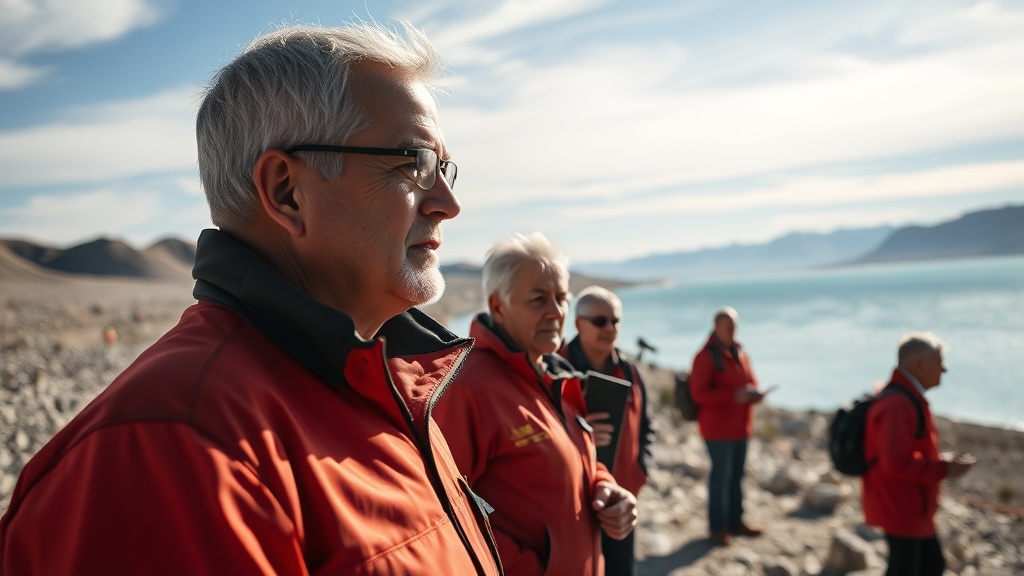
The DWR event will provide an excellent opportunity for wildlife enthusiasts and families to observe bald eagles in their natural habitat. Wildlife biologists will be on-site to share insightful information about the birds, including their behavior and habitat preferences. "Bald eagles are iconic birds, and it is always exciting to see them in the wild," stated Adam Kavalunas, the DWR Southern Region outreach manager. He emphasized the eagles' impressive flying abilities, noting, "They can fly up to 30 miles an hour, and when diving, they can reach 100 miles an hour. Their wingspan is roughly 6 to 7 feet, making them one of the largest birds of prey in North America."
Attendees are encouraged to dress warmly and bring binoculars or spotting scopes to enhance their viewing experience. To commemorate the occasion, free collectible Bald Eagle Month pins will be distributed while supplies last. While the event is free of charge, registration through Eventbrite is recommended to help organizers plan accordingly. The viewing location can be accessed from Interstate 15 by taking exit 59, heading west on Highway 56 for approximately three miles, and then turning right onto North 3900 West for another three miles.
In addition to the organized viewing event, bald eagles can be spotted throughout various locations in Utah during this migration season. Wildlife officials urge viewers to take care to observe the birds only from public areas and to refrain from trespassing on private properties. This ensures both the safety of the eagles and the respect of local landowners.
For those in Northern Utah, several prime viewing locations have been identified. The Farmington Bay Waterfowl Management Area is a popular spot, where visitors can enjoy a variety of activities throughout February. The Eccles Wildlife Education Center, located at 1157 S. Waterfowl Way in Farmington, will host a coloring contest for children aged 3-18, guided bird walks every Friday at 11 a.m., and live bald eagle presentations scheduled for February 21 at 11 a.m. and 1 p.m.
Other notable Northern Utah locations include the Weber River near Croydon, below Echo Reservoir, Willard Bay Reservoir west of Willard, and Compton's Knoll at the Salt Creek Waterfowl Management Area, located west of Corinne. Each of these sites offers unique vantage points for observing eagles as they hunt and soar overhead.
In Northeastern Utah, the Ouray National Wildlife Refuge provides another excellent spot for eagle watching. Located at 19001 E. Wildlife Refuge Road in Randlett, the refuge is known for its diverse wildlife and beautiful landscapes. The Midview Reservoir, situated northeast of Bridgeland, is another hotspot where eagles can often be seen hunting waterfowl on the icy waters.
Central Utah also offers numerous viewing opportunities. A cottonwood tree located 3.7 miles south of the Fountain Green State Fish Hatchery along West Side Road is a favored perch for eagles. Areas south of Fountain Green along West Side Road into Wales, as well as locations near Wales Reservoir, provide ample chances to see these birds up close. Additionally, the San Pitch River near Mount Pleasant is home to congregations of eagles, particularly around cottonwood trees that feature dead snags, which serve as ideal roosting spots.
Utah Lake is known for regular eagle sightings, especially near Utah Lake State Park and Lincoln Beach. The Provo River Delta is also noteworthy, currently hosting a nesting pair of eagles visible from the observation tower. Along the Lower Provo River flowing into the Jordanelle River, eagles are frequently spotted near the inlets and outlets of Deer Creek and Jordanelle reservoirs. Fish Springs National Wildlife Refuge in Juab County rounds out the list of reliable locations where bald eagles can be observed.
Southeastern Utah also offers excellent opportunities for eagle watching. Huntington State Park and Scofield State Park are popular venues with consistent eagle populations. The Recapture Reservoir, situated between Monticello and Blanding, and the Colorado River north of Moab also attract these striking birds during their winter migration.
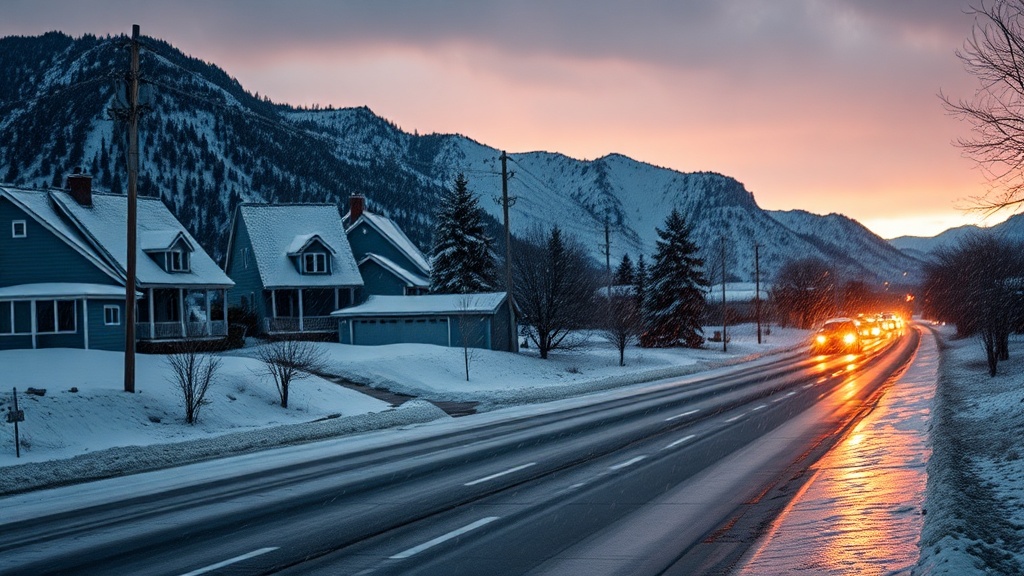
While the thrill of eagle watching is undeniable, wildlife officials remind motorists to prioritize safety. Drivers are cautioned against distracted driving and should avoid stopping in roadways to observe the birds. Instead, they should pull completely off the road before taking the time to enjoy the view. This not only ensures the safety of motorists but also helps protect the eagles from undue stress.
As bald eagles return to Utah this winter, residents and visitors are encouraged to take advantage of the various viewing opportunities available. Whether attending the organized events or exploring the natural landscapes across the state, the chance to witness these majestic birds in their natural habitat is an experience not to be missed.