Controlled Burns Scheduled in Utah to Mitigate Wildfire Risks
Local forestry teams initiate controlled burns in Summit County to mitigate wildfire risks, benefiting both the environment and community safety.
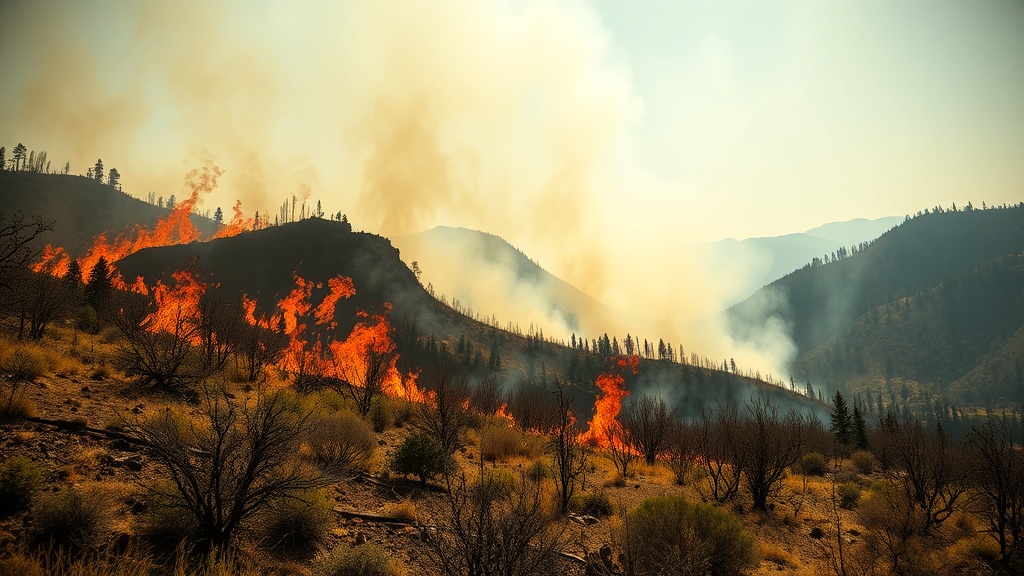
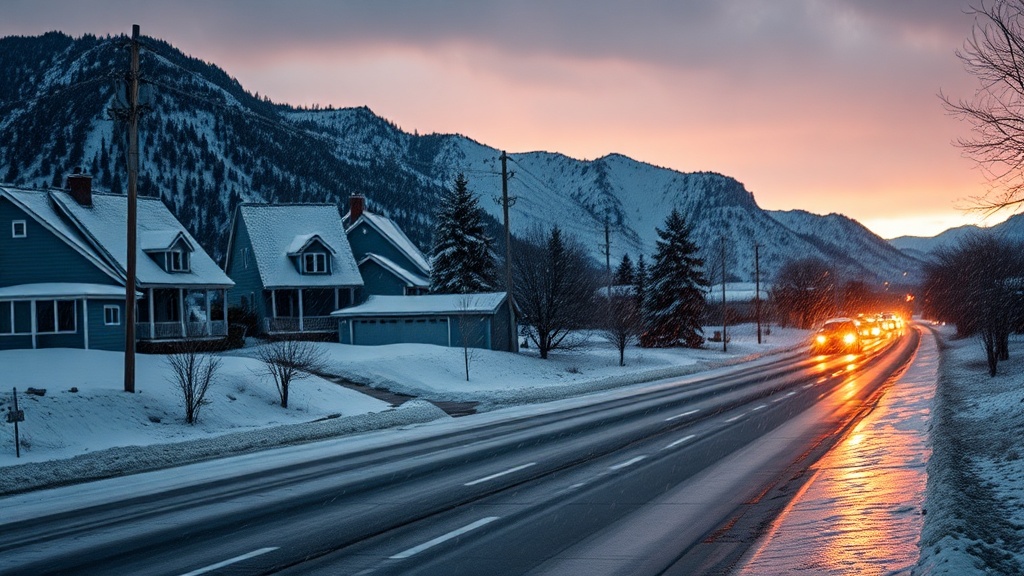
As winter approaches, local forestry management teams have announced plans to conduct controlled pile burning in Summit County, Utah, starting Wednesday morning. The decision comes in response to favorable weather conditions, which include lower winds and increased humidity, making it an ideal time for such fire mitigation efforts. The controlled burns aim to reduce wildfire risks in the region and are part of ongoing forest management initiatives by Alpine Forestry and Apex Fire Preparedness.
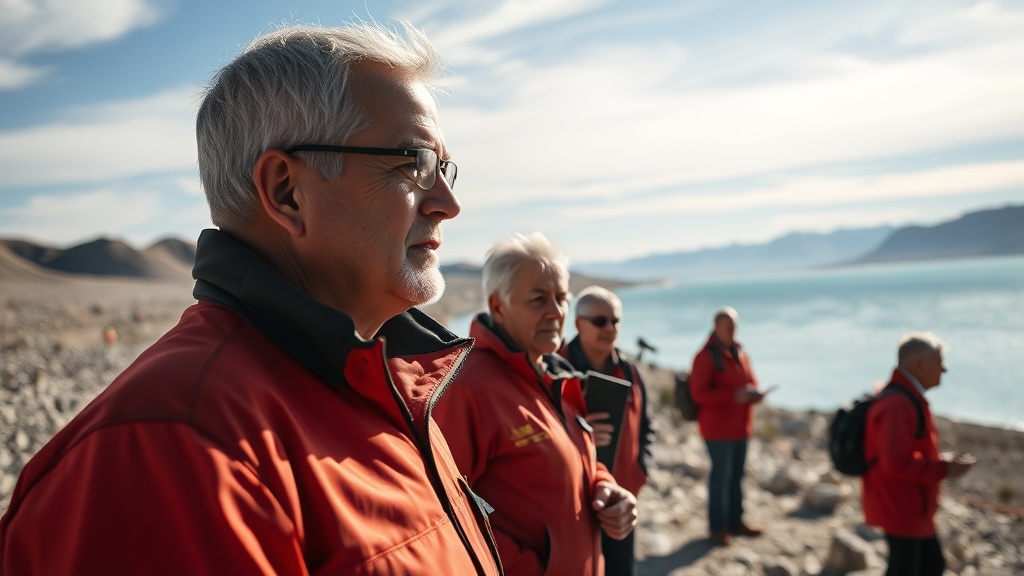
Dave Telian, a representative from Alpine Forestry, shared that his team will focus on areas in Old Town and lower Deer Valley Resort. These projects are essential components of a broader collaborative effort aimed at creating continuous fuel breaks across various land boundaries. "We are working to improve the resilience of our forests and protect our communities from wildfires," Telian stated. The initiative emphasizes cross-boundary collaboration, which involves multiple stakeholders, including local government agencies and private landowners.
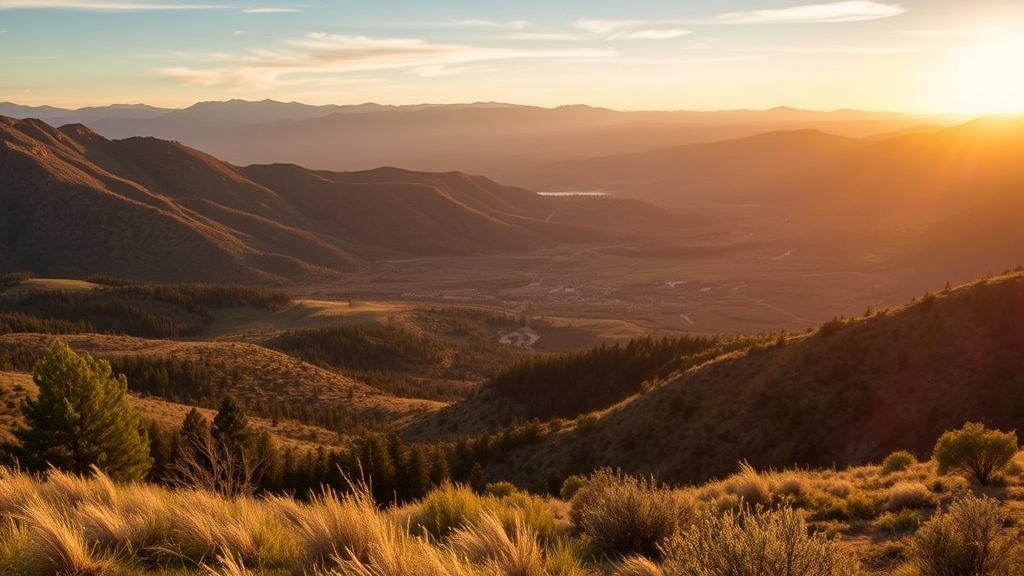
Meanwhile, Apex Fire Preparedness, co-founded by Trevor Searle, will be conducting burns in the Wolf Creek Ranch area, particularly in Big Pole Canyon. This state project encompasses 23 acres and targets the protection of a vulnerable Douglas fir stand within the property. Searle noted that the objective had been to complete the project before December 19, 2025, but recent warm weather had delayed their plans. "We're excited to finally get this project underway, as it’s crucial for the ecological health of the area," Searle explained.
Residents and visitors in the area can expect to see smoke rising from these controlled burns, but both companies have requested that the public refrain from reporting these fires to authorities. It is important to clarify that these burns are carefully managed and are not indicative of uncontrolled wildfires. According to local fire management guidelines, controlled burns play a vital role in reducing excessive fuel loads that could lead to severe wildfires in the summer months.
The timing of these controlled burns is crucial. Historically, late fall is one of the best times for such activities due to the typically cooler temperatures and increased humidity. These environmental factors significantly mitigate the risk of the fire spreading beyond the intended areas. Moreover, by conducting burns now, the forest management teams can effectively reduce the potential for dangerous wildfires in the upcoming dry summer season.
Local fire officials have highlighted the importance of these controlled burns not only for fire risk reduction but also for promoting forest health. The accumulation of dead trees, brush, and other organic materials can create hazardous conditions for wildfires. By reducing these fuel sources, the likelihood of severe wildfires diminishes, thereby safeguarding both the environment and local communities.
In addition to the immediate benefits of wildfire risk reduction, these controlled burns also offer long-term ecological advantages. The burns help rejuvenate the forest ecosystem by allowing sunlight to reach the forest floor, promoting the growth of new vegetation and supporting wildlife habitats. This regenerative aspect is crucial for maintaining the biodiversity of the area, which is vital for the ecological balance.
Looking ahead, the forestry teams are optimistic about the progress of these controlled burns and their impact on the community. They encourage residents to stay informed about future burn schedules and to participate in community discussions regarding forest management strategies. Both Alpine Forestry and Apex Fire Preparedness are committed to transparency and engagement, aiming to foster a collaborative approach to forest health and wildfire prevention.
As the day of burning arrives, the teams will continue to monitor weather conditions closely to ensure that the burns are conducted safely and effectively. The success of this initiative could set a precedent for future forest management practices in the region, making it a noteworthy case study in the ongoing battle against wildfires in the western United States.
In conclusion, the controlled burns initiated by Alpine Forestry and Apex Fire Preparedness represent a proactive approach to wildfire risk management in Summit County. As fire season draws near, these efforts will not only protect the communities but also contribute to the health and sustainability of the local forest ecosystems.