126-Year-Old Audubon Bird Count Draws Enthusiasts to Utah's Wasatch Mountains
The 126-year-old Audubon Christmas Bird Count brought together birdwatchers in Utah, emphasizing conservation and community engagement.
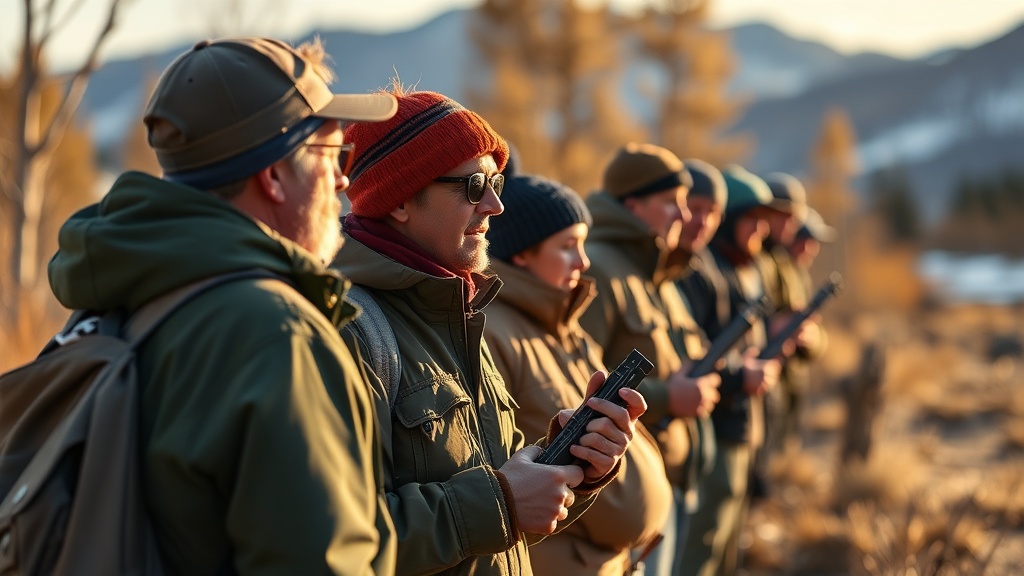
On January 3, 2026, a diverse group of birdwatchers and nature enthusiasts gathered at the Wasatch Mountain State Park visitor center to participate in the annual Audubon Christmas Bird Count. This event, which has been a staple of citizen science since its inception by ornithologist Frank M. Chapman in 1900, aims to collect valuable data on bird populations and trends across the Western Hemisphere. With over 83,000 participants globally last year, this count is a vital measure for conservation efforts.
Among the participants was Dan Roberts, a retired wildlife biologist who spent 15 years studying non-game birds for the state of Utah. Known for his keen eye and extensive knowledge of avian behavior, Roberts quickly identified a red-tailed hawk soaring against the backdrop of the Wasatch Mountains. "I can tell by the way he’s flapping his wings," he explained, drawing parallels between bird movement and the way a dog moves. "If you see your dog from a distance, you recognize it by how it moves. It’s similar with birds."
Roberts, alongside fellow birder Cary Hobbs, embarked on a trek along the Provo River, meticulously documenting every bird sighting. The annual Christmas Bird Count is conducted within a defined circle of 15 miles in diameter, allowing for standardized data collection. This year’s count in the Heber Valley, one of over 25 conducted across Utah, has been a part of the Wasatch Mountain State Park activities since around 2000.
The significance of this citizen science project extends beyond mere observation. The data collected serves as a critical resource for environmental monitoring and conservation planning. For instance, the Environmental Protection Agency utilized information from previous counts in its 2012 climate change report. Despite the less rigorous nature of the Christmas Bird Count compared to professional studies, Roberts emphasized the importance of gathering even imperfect data. "If laws need to be enacted, what’s going to make that happen? You have to have data," he stated, highlighting the long-term impact such citizen-driven research can have.
The day of the count was marked by unusually warm weather, leading to a lower bird count than typical for this time of year. Hobbs, who has participated in the Wasatch count for two decades, noted that this year was the first without snow on the ground. "Normally, I’d see anywhere from 300 to 450 birds. Today, we counted only 162," he remarked, expressing concern over the lack of sightings, including a notable absence of ducks and robins.
Kathy Donnell, a park ranger who has overseen the count since 2012, confirmed that many groups reported similarly low numbers. Last year’s count at Wasatch Mountain State Park recorded 54 species and a total of 4,416 birds. The final tally for this year will be submitted to Audubon and the Cornell Lab of Ornithology by the end of February.
Participants were encouraged to report any unusual sightings, such as birds that are out of season or not typically found in the area. Roberts mentioned a possible sage thrasher he heard but could not visually confirm, demonstrating the careful scrutiny required in birdwatching. On the other hand, a group successfully identified a long-tailed duck, an uncommon sight in Utah, further adding to the day’s intrigue.
As Hobbs and Roberts continued their observations, they noted various species, including Canada geese and chickadees. The camaraderie shared among the birders added a layer of enjoyment to the experience. Hobbs’ lighthearted banter and shared anecdotes about birdwatching made the day more engaging. He recalled the excitement around his identification of a great gray owl in 2017, which attracted numerous birdwatchers eager to catch a glimpse of the rare bird.
Despite the challenges posed by the weather and bird activity, the Audubon Christmas Bird Count remains a cherished tradition for many in the community. The event not only fosters a deeper appreciation for local wildlife but also emphasizes the importance of conservation efforts. As Roberts aptly put it, "Even if the data isn’t perfect, it provides a wealth of information over time and across different locations."
As participants wrapped up their day, there was a shared sense of fulfillment that came from contributing to a long-standing tradition of citizen science. The Audubon Christmas Bird Count not only serves as an opportunity to connect with nature but also plays a crucial role in shaping conservation policies and understanding bird populations in an ever-changing environment.