Wasatch Front Faces Severe Air Quality Crisis Amid Inversion Conditions
Air quality in the Wasatch Front has plummeted due to a winter inversion, raising health concerns and economic implications for the community.
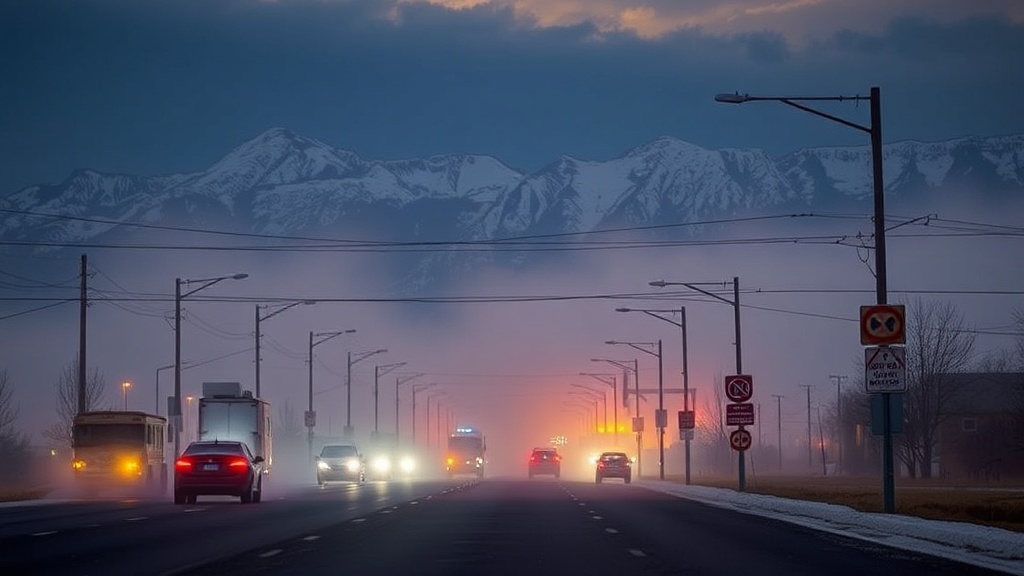
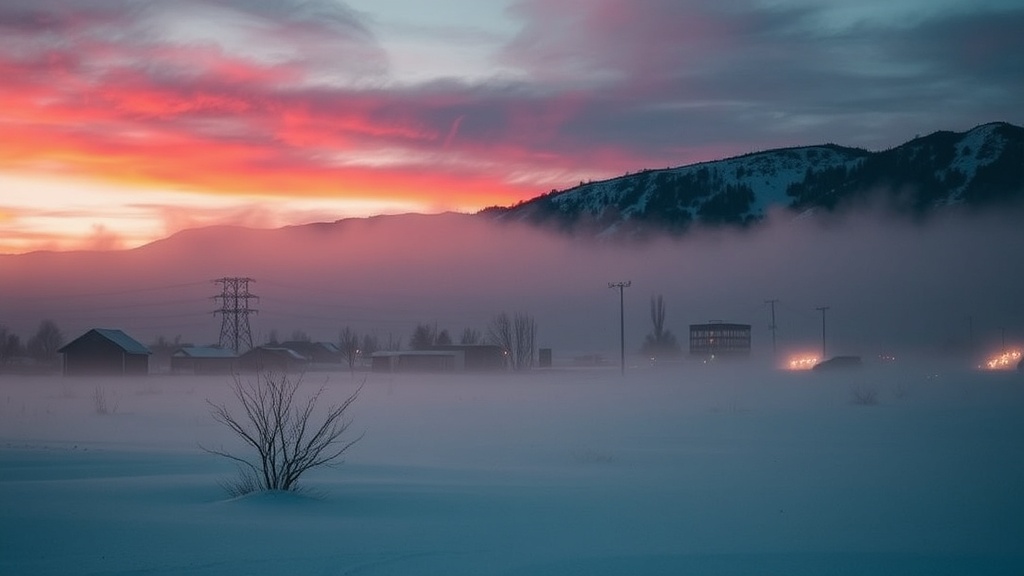
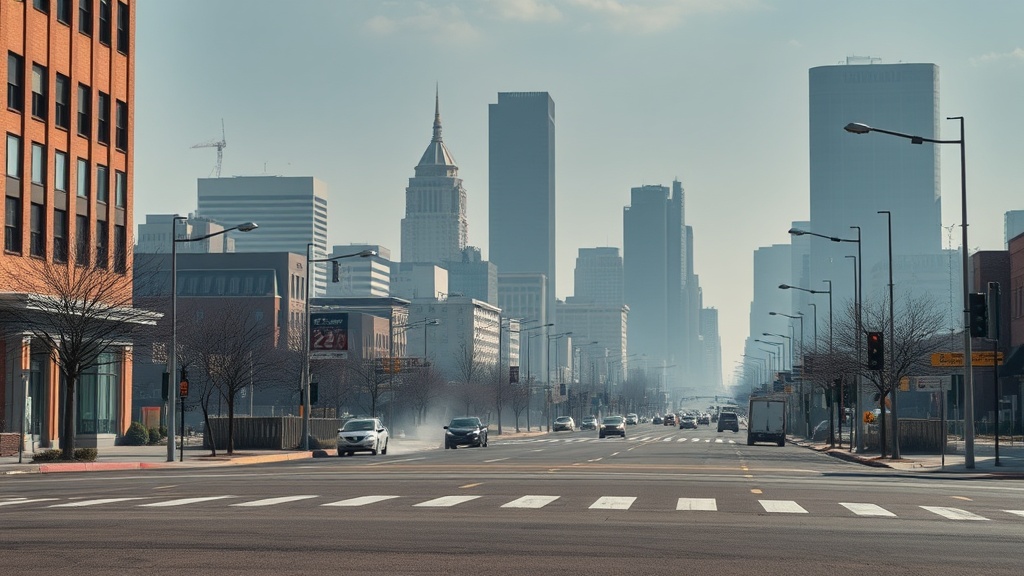
The air quality across the Wasatch Front and surrounding regions has sharply declined due to the latest atmospheric inversion, raising concerns among residents and local officials. As the inversion settled over the area, pollution levels soared, leading to hazardous conditions that could have serious health implications for vulnerable populations. This phenomenon, characterized by a layer of warm air trapping colder air and pollutants near the ground, has become a recurring issue in Utah's winter months, prompting a closer examination of its causes and effects.
Inversions typically occur during the winter months when clear skies allow heat from the sun to warm the ground during the day, while at night, the heat escapes into the atmosphere. The cooler, denser air then gets trapped beneath the warmer layer, creating a stagnant environment where pollutants from vehicles, industry, and residential heating can accumulate. This process not only diminishes air quality but also poses significant health risks, particularly for individuals with respiratory conditions, children, and the elderly.
According to the Utah Department of Environmental Quality (DEQ), air quality monitors in the region have reported particulate matter levels reaching unhealthy levels, with some areas exceeding the National Ambient Air Quality Standards. The DEQ's most recent data indicates that the air quality index (AQI) has spiked into the 'unhealthy' range, prompting alerts and advisories for residents. “We are urging everyone, especially those with pre-existing health issues, to limit outdoor activities and take necessary precautions,” said a DEQ spokesperson during a press briefing.
Local health officials are also sounding the alarm over the impacts of poor air quality. Dr. Angela Dunn, the state epidemiologist, emphasized the importance of awareness during these inversion days. “When air quality is poor, we see an increase in hospital visits related to asthma and other respiratory issues. It’s crucial for the community to remain informed and take action to protect their health,” she stated.
The current inversion is anticipated to last several days, with forecasts indicating limited relief until a weather system moves through the region. Meteorologists from the National Weather Service predict that while some breaks in the inversion could occur, significant improvement in air quality may not be seen until a storm front arrives, bringing stronger winds and precipitation to disperse the trapped pollutants.
In addition to individual health concerns, the economic implications of poor air quality are noteworthy. Local businesses, particularly those in the outdoor recreation industry, have reported a decline in customer activity as residents opt to stay indoors. “We’ve noticed fewer people coming out for skiing and other outdoor activities,” said Jake Thompson, owner of a local ski shop. “It’s tough on business, but safety comes first.” The seasonal nature of Utah's economy, heavily reliant on tourism and outdoor recreation, amplifies the urgency for effective air quality management strategies.
As community members and officials navigate the immediate effects of this inversion, discussions about long-term solutions are gaining momentum. Many are advocating for increased investment in public transportation and renewable energy sources to reduce the reliance on fossil fuels, which contribute significantly to air pollution. “We need to look at this as a long-term challenge,” said Mayor Erin Mendenhall of Salt Lake City. “Improving our air quality is not just about dealing with today’s inversion; it’s about making sustainable changes for the future.”
Public awareness campaigns are also being rolled out to educate residents on the importance of reducing emissions during inversions. These initiatives encourage practices such as carpooling, using public transport, and minimizing wood-burning stoves, which all contribute to cleaner air during critical periods.
The Wasatch Front’s struggle with air quality is not an isolated issue; it reflects broader environmental challenges faced by urban areas across the globe. As communities grapple with the dual pressures of population growth and climate change, the need for sustainable solutions has never been more pressing. The current inversion serves as a stark reminder of the delicate balance between urban development and environmental health.
In conclusion, the recent inversion over the Wasatch Front has led to a significant decline in air quality, prompting health advisories and economic repercussions. As residents brace for the continuation of these conditions, the focus shifts to both immediate safety measures and long-term strategies to combat air pollution and safeguard public health. With collaborative efforts between government agencies, health officials, and the community, there is hope for a clearer future, both literally and figuratively, for the Wasatch Front region.