Persistent Valley Inversions Lead to Deteriorating Air Quality in Utah
Utah faces worsening air quality due to persistent valley inversions, with health implications for residents.

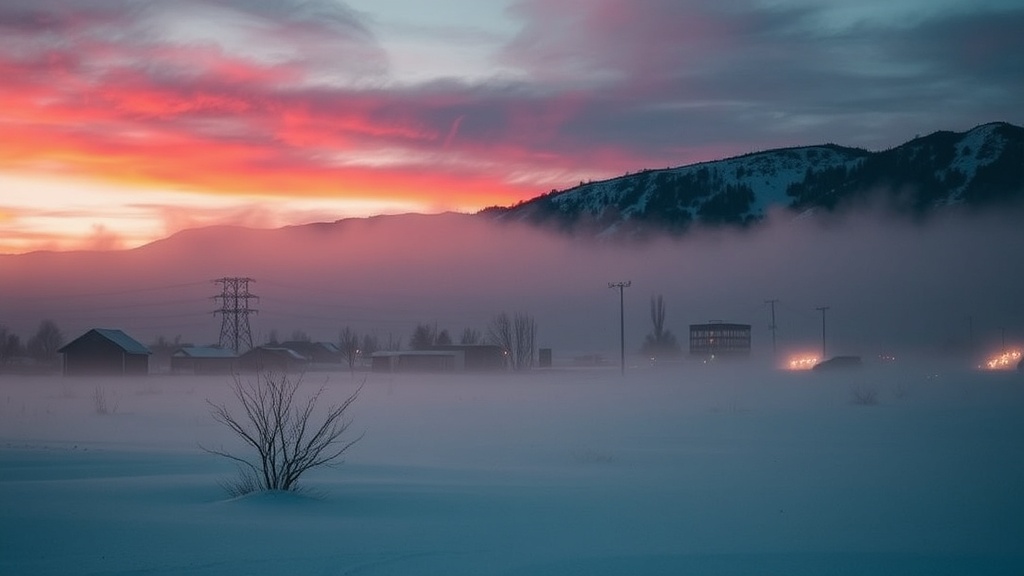
As winter settles over Utah, residents are once again grappling with the challenges posed by valley inversions, a phenomenon that significantly impacts air quality throughout the region. This seasonal occurrence happens when cold air is trapped in the valleys by a layer of warmer air above, leading to a buildup of pollution that can linger until favorable weather conditions intervene. Unfortunately for those sensitive to air quality, the current weather forecast indicates that relief may not be imminent, as the inversion conditions are expected to persist in the coming days.
Meteorologists have observed that a storm system moving through the plains later this week is unlikely to have a direct impact on Utah's air quality. While the storm may bring slight cooling temperatures that could weaken the inversion, it does not appear strong enough to fully disperse the trapped pollutants. This has raised concerns among health officials and environmentalists alike, as prolonged exposure to poor air quality can have significant health ramifications for residents, particularly those with pre-existing respiratory conditions.
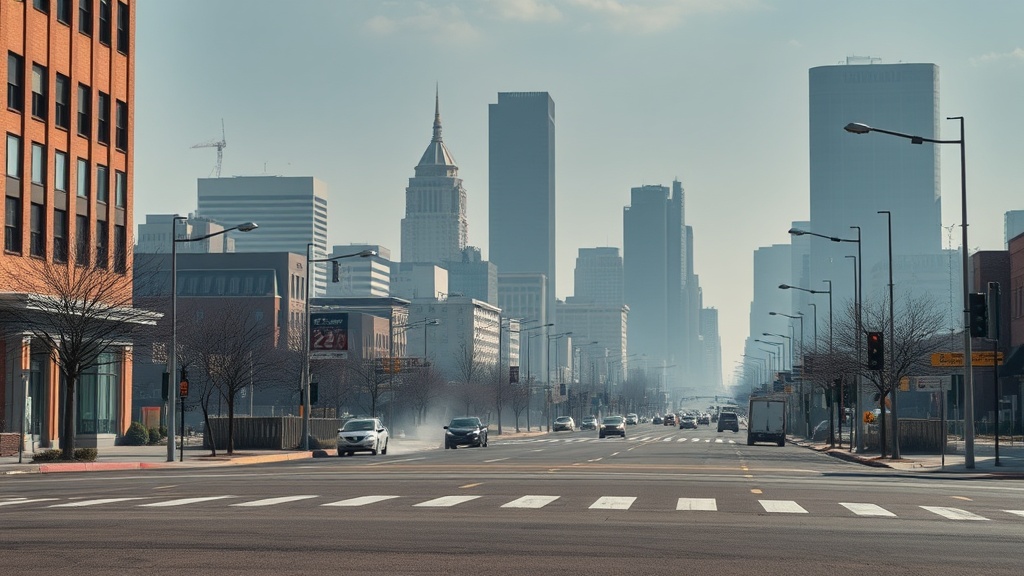
Reports from the Utah Department of Air Quality highlight that the air quality in many urban areas is already deteriorating. The ongoing inversion has led to increased levels of particulate matter in the air, which can exacerbate conditions like asthma and other respiratory illnesses. "We are seeing a concerning trend with the air quality, particularly in the Salt Lake Valley, where inversions are most pronounced," said Dr. Emily Harris, a health specialist with the Utah Department of Health. "It’s crucial for residents to remain vigilant, especially if they are in sensitive groups."
As high pressure is expected to build again next week, the forecast indicates that inversions will continue to worsen, leading to further declines in air quality and visibility. This is particularly concerning as patchy fog is predicted for overnight and morning hours, which could limit visibility on roadways and pose additional hazards for commuters.
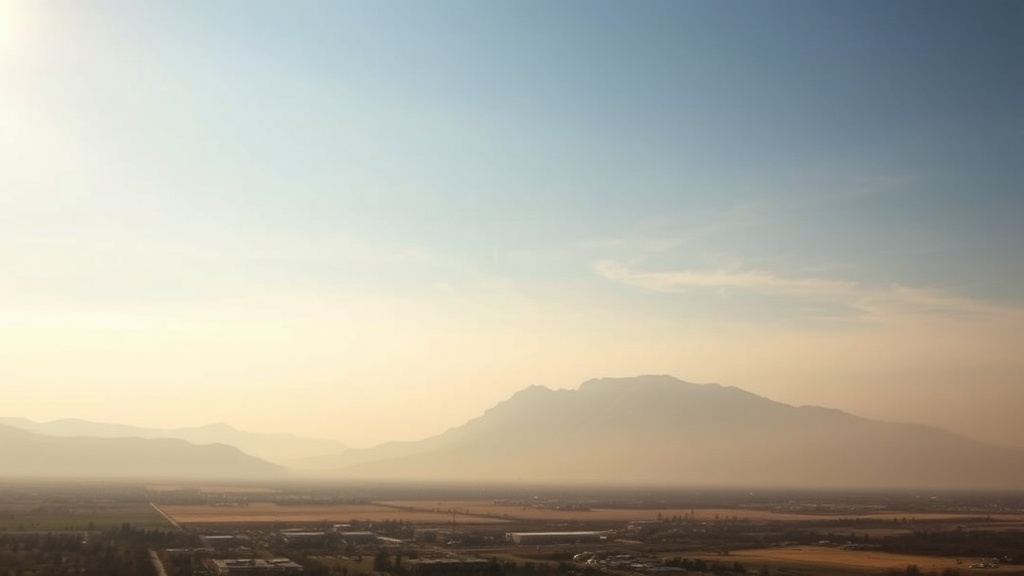
For residents in Salt Lake City, the weather forecast for Tuesday shows mostly sunny skies with a high temperature in the low 40s. However, a noticeable haze will linger, a reminder of the pollution trapped in the valley. As night falls, temperatures are expected to drop to the upper 20s, with partly cloudy conditions persisting. In contrast, the southern region of the state, including St. George, is experiencing much clearer conditions, with sunny skies and high temperatures in the low 60s.
The current air quality situation has prompted local authorities to encourage residents to take precautions. Health officials recommend that people, especially those in sensitive groups such as children, the elderly, and individuals with respiratory conditions, limit outdoor activities during times of poor air quality. They also advise keeping windows closed and using air purifiers when possible to mitigate the effects of pollution.
Looking ahead, there is a glimmer of hope as meteorologists are tracking a potential storm system that could arrive late next week. This storm holds the promise of breaking up the inversions and possibly bringing some much-needed snowfall to the region. Snow not only helps to improve air quality by washing away pollutants but also replenishes water supplies critical for Utah's agriculture and water resources.
In the meantime, residents are encouraged to stay informed about air quality conditions. The Utah Department of Environmental Quality provides real-time updates and forecasts, which can be accessed through their website or various weather apps. Additionally, local news outlets are committed to providing timely information regarding weather changes and air quality alerts.
As Utah navigates through this challenging winter season, the interplay between weather patterns and air quality will remain a focal point for both residents and health officials. The ongoing inversions serve as a stark reminder of the environmental challenges faced by urban areas, necessitating continued awareness and proactive measures to safeguard public health.
In conclusion, while valley inversions are a recurring phenomenon during Utah's winters, their impact on air quality is profound and concerning. With the current weather conditions showing little promise of improvement, it is crucial for residents to remain vigilant and informed, while hoping for the arrival of a storm that could bring relief to the trapped valleys and the communities within them.