Inversion Conditions Persist in Northern Utah Amid Southern Warming Trend
Northern Utah faces air quality challenges from persistent inversions, while southern regions enjoy a warming trend, highlighting diverse weather impacts.
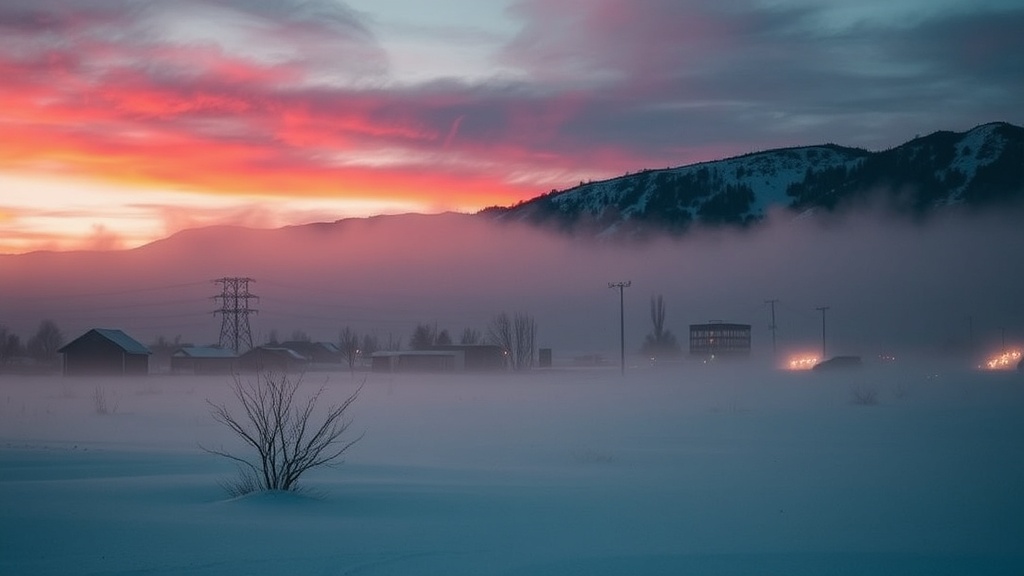
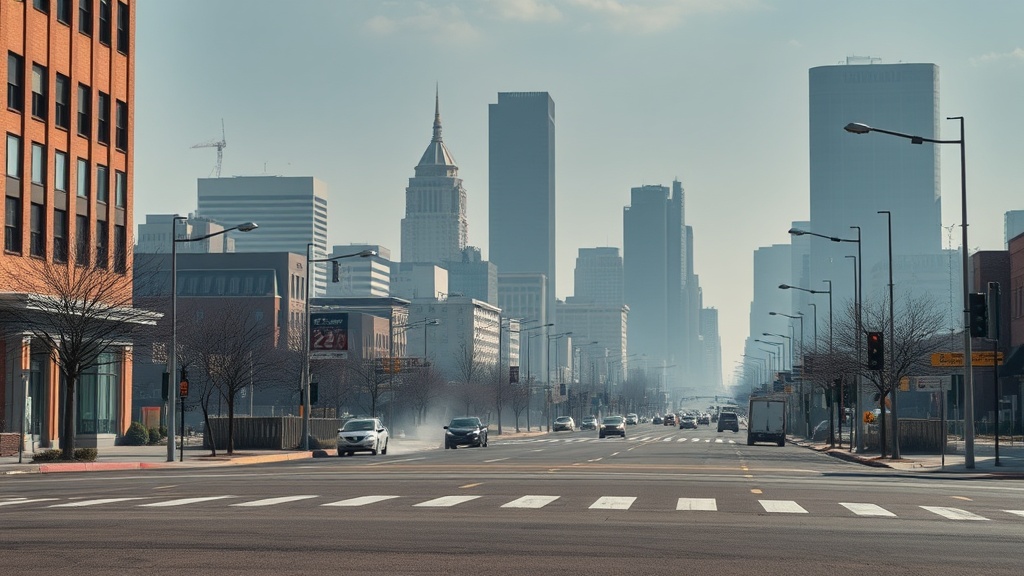
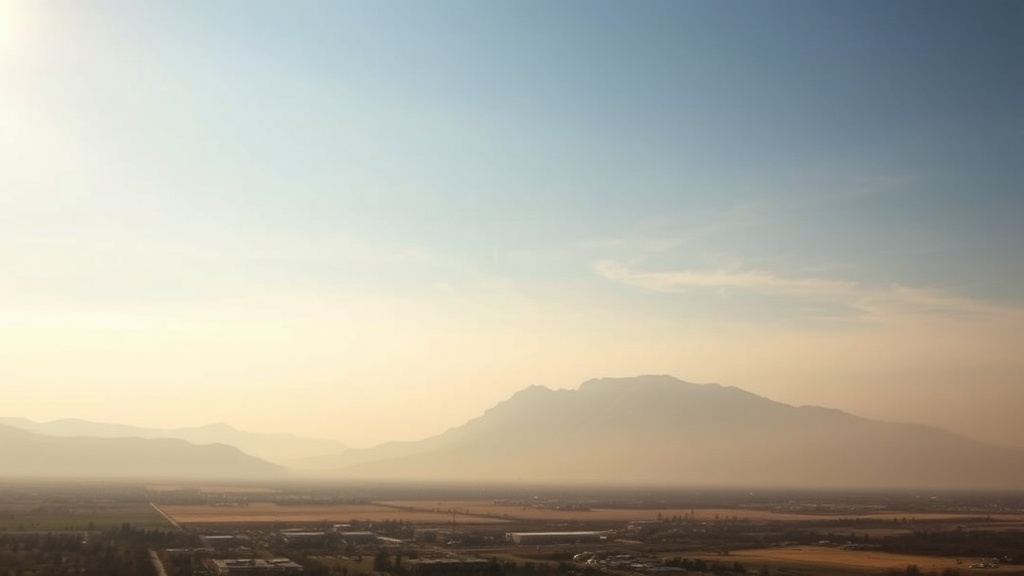
Northern Utah is currently experiencing persistent inversion conditions due to a high pressure ridge that has settled over the region. This weather pattern is leading to a notable decline in air quality, particularly in the valleys, where pollution and particulate matter have become increasingly concentrated. Meanwhile, in central and southern Utah, temperatures are on the rise, providing a stark contrast to the cooler, stagnant conditions felt in the north.
Inversion occurs when a layer of warm air traps cooler air at lower elevations, preventing it from rising and dispersing. This phenomenon is particularly common during the winter months when high pressure systems dominate the weather patterns. Meteorologists have noted that the current high pressure ridge is not only stabilizing temperatures but also contributing to the accumulation of pollutants in the northern valleys.
"Inversions can lead to significant air quality issues, especially in urban areas like Salt Lake City and Provo, where the geography of the valleys can trap pollution, creating a smog-like effect," said meteorologist Karen Smith from the National Weather Service. "We have seen this pattern develop over the past several days, and it appears it will persist for at least the next week."
As air quality continues to decline in the northern regions, the Utah Department of Environmental Quality has issued advisories, urging residents to limit outdoor activities, especially for sensitive groups such as children, the elderly, and individuals with respiratory conditions. The air quality index (AQI) has shown readings in the unhealthy range, prompting officials to take action to mitigate health risks.
"It’s crucial for residents to be aware of the air quality in their area, especially during these inversion periods," stated Dr. Emily Chang, an environmental health expert. "Staying indoors and using air purifiers can help reduce exposure to harmful pollutants."
In stark contrast, central and southern Utah are experiencing a warming trend that is expected to last for several days. Regions such as St. George and Cedar City are seeing daytime highs that could reach into the mid-60s Fahrenheit. This warming trend is attributed to the same high pressure system that is causing the inversions in the north, as it brings clear skies and allows for more sunlight to heat the ground.
Residents in southern Utah are taking advantage of the favorable weather conditions, with many engaging in outdoor activities such as hiking, biking, and enjoying local parks. The warm temperatures have provided a welcome break from the colder winter weather that typically dominates this time of year.
"It’s a great time to be outdoors here in St. George. We’re seeing families out enjoying the sunshine and the warmer temperatures," said local business owner Mark Thompson, who operates a bike rental service. "This weather is perfect for tourism and outdoor recreation, which are vital to our local economy."
The disparity in weather conditions between northern and southern Utah highlights the diverse climatic influences that affect the state. While northern areas grapple with air quality challenges, southern regions are benefiting economically and recreationally from the warm weather.
Looking ahead, the National Weather Service has indicated that the inversion conditions in the north are likely to persist, with only minor fluctuations in temperatures expected. In contrast, southern Utah will likely continue to experience warmer than average temperatures as the high pressure system remains in place.
This situation underscores the importance of monitoring both air quality and temperature variations across the state. As the seasons shift, Utah residents are reminded to stay informed about weather patterns and their potential impacts on health, economy, and outdoor activities.
In summary, the current weather conditions in Utah illustrate the complex interplay between high pressure systems, temperature variations, and air quality. As northern Utah faces challenges due to inversion conditions, southern regions are enjoying a warming trend, creating a unique juxtaposition that affects the lives of residents across the state. The ongoing situation serves as a reminder of the importance of environmental awareness and the need for community adaptability in the face of changing weather patterns.