High Pressure Ridge Settles Over Utah, Halting Snowfall and Ski Conditions
Utah faces a prolonged dry spell as high pressure halts snowfall, raising concerns for ski conditions and water supply.
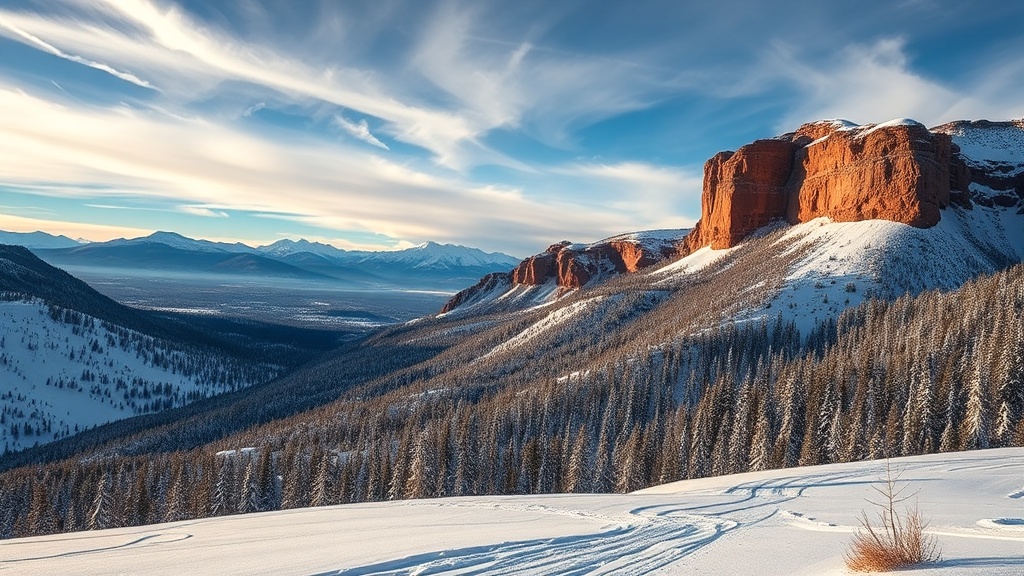
Utah's winter weather has taken an unexpected turn as a formidable ridge of high pressure sets in over the western United States. Following a promising start to the season with a cold storm bringing much-needed snowfall to Summit County, residents and ski enthusiasts now face a prolonged period of dry, sunny weather. This high-pressure system is significantly impacting the region's snowpack, which has been a cause for concern for both skiers and water supply forecasts.
Last week, the state experienced its first substantial snowfall of the season, with Park City Mountain Resort reporting a refreshing accumulation of light, fluffy powder. This snowfall raised hopes for a robust winter season, especially after snowpack levels began to improve. By early January, snow levels had reached approximately 75% of normal at Park City Mountain Resort, suggesting a positive trend for the upcoming months. However, the recent establishment of the high-pressure ridge has now reversed this trend, and forecasts indicate that the chances for additional snowfall have been significantly diminished.
The high pressure currently dominating the weather pattern is described by meteorologist Evan Thayer as being akin to a 'stubborn moose' that refuses to budge from its spot on the trail. This analogy reflects the immovable nature of the high-pressure system, which is large and powerful enough to block any incoming storm systems from reaching Utah. As a result, the ski resorts that rely on consistent snowfall for optimal conditions are facing an uncertain future as snowpack levels begin to dwindle again.
In fact, while Utah is no longer at risk of achieving record-low snowpack numbers, the current forecasts suggest that the state will fall further behind the average levels necessary for a sustainable water supply through the summer months. The ongoing high-pressure system is not only detrimental to winter sports enthusiasts but also poses a potential risk to water reserves, which are critical for agricultural needs and overall water management in the region.
For those who frequent the Wasatch Mountains for hiking, mountain biking, or skiing, the sight of moose is not uncommon. Often, these majestic creatures can be found standing in the middle of trails, causing delays for outdoor activities. Thayer’s metaphor of the moose serves to illustrate the frustrations that come with waiting for weather changes that seem reluctant to happen. Just as hikers must sometimes turn around when encountering a stubborn moose, Utahns are now left with little choice but to adapt to the current weather conditions until the high-pressure system decides to shift.
Looking ahead, there is a glimmer of hope that this ridge might begin to shift around January 22, which could potentially reopen the door for storm systems to enter the region. Should this occur, there is a possibility that Utah could see precipitation again, although such predictions remain speculative at this stage. The hope is that as the high pressure weakens or moves, storms might be able to sneak behind it and deliver the moisture that is desperately needed.
In the meantime, residents are encouraged to enjoy the sunny days and take advantage of any new terrain openings at ski resorts. Non-ski-related activities may also be a great way to make the most of the weather, as the community waits for the return of winter storms. Skiers and snowboarders alike are reminded that conditions can change rapidly in the mountains, and patience will be key as they navigate this unusually dry spell.
As the outlook remains uncertain, up-to-date forecasts can be accessed through Evan Thayer’s Utah Daily Snow forecast available on OpenSnow.com and the OpenSnow app. With a keen eye on the weather patterns, the community hopes for a return to normalcy in snow conditions, ensuring that both winter sports and water supply needs are met in the coming weeks.