Salt Lake City Endures Second Day of Severe Air Quality Warnings
Salt Lake City faces severe air quality issues for the second day, prompting health warnings and community concerns.
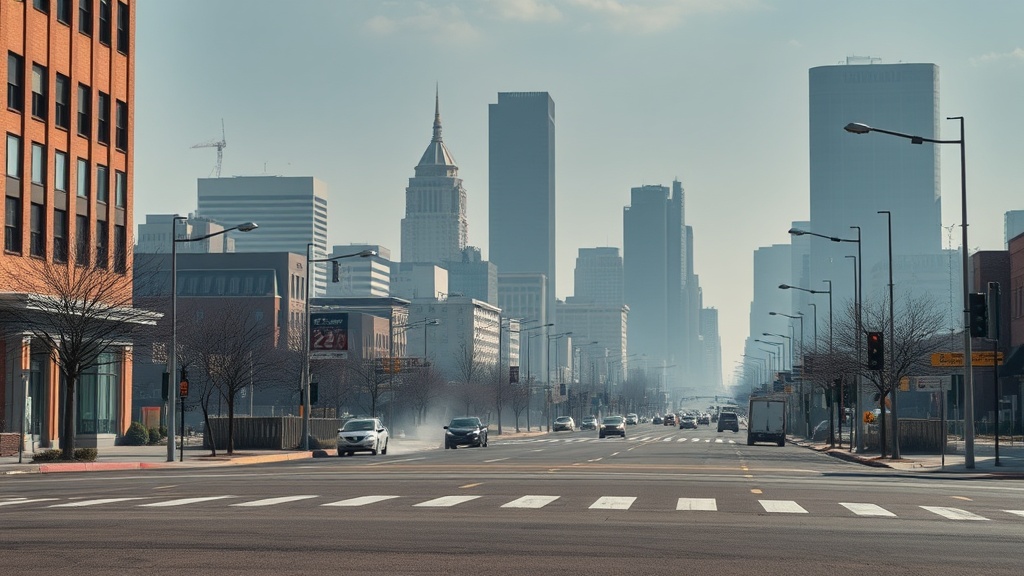
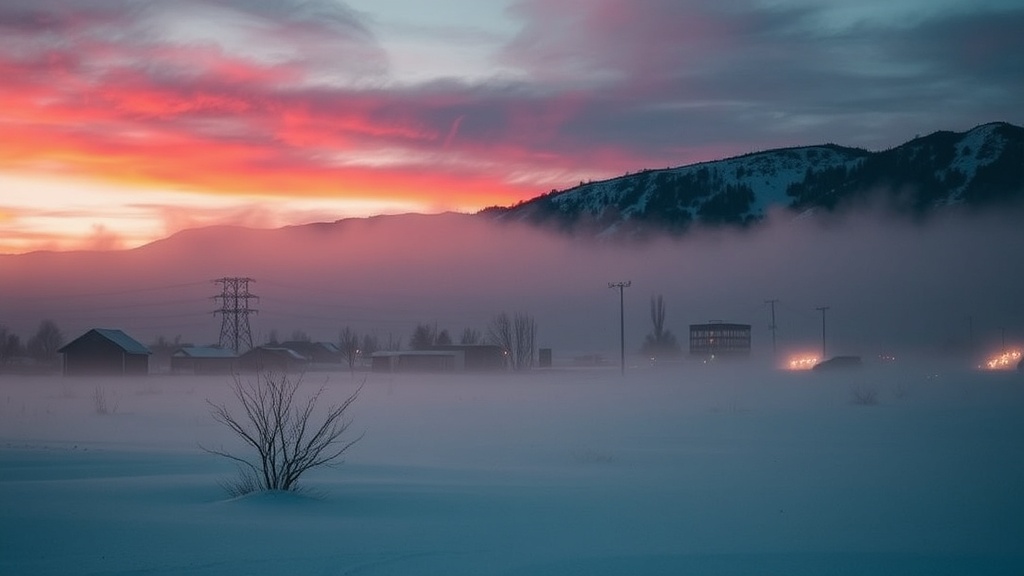
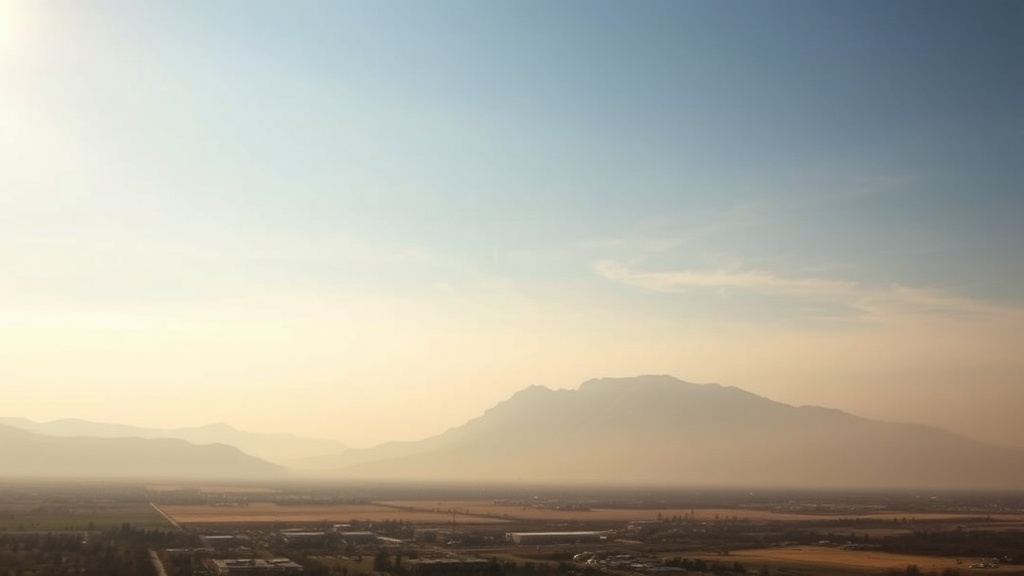
Salt Lake City is facing a significant environmental challenge as it grapples with the worst air quality in the United States for the second consecutive day. Residents have reported visibly hazy skies and an unusual, unpleasant odor lingering in the air. According to the latest reports from the Air Quality Index (AQI), Salt Lake City holds the unfortunate distinction of having an AQI of 88, placing it at the top of national air quality rankings, although it is only the 44th worst globally as of 6:00 a.m. today.
The current air quality situation can be attributed to a phenomenon called a valley inversion, which traps pollutants close to the ground. In this case, a persistent hot air mass from the West is exacerbating the issue by maintaining the inversion layer that prevents cleaner air from circulating. Residents may experience health risks as a result of this poor air quality, particularly vulnerable populations such as children, the elderly, and those with pre-existing respiratory issues.
According to data from IQAir, which monitors global air quality, Salt Lake City is categorized as having 'Moderate' air quality. However, this designation does little to alleviate concerns, especially when considering the alarming statistic that air pollution was a contributing factor in over 8 million deaths worldwide in 2021. Among these, outdoor particulate matter pollution ranked as the fifth leading risk factor, responsible for approximately 4.7 million deaths.
Local health experts have emphasized the importance of monitoring air quality and taking precautions. "People should limit outdoor activities, particularly strenuous exercises, during periods of poor air quality," advised Dr. Jane Thompson, a pulmonologist at a local hospital. "It's vital for individuals to be aware of the air quality in their area and take necessary precautions to protect their health."
To assist residents in tracking ongoing air quality changes, a real-time air quality monitoring tool called AirView has been made available. Users can access localized air quality readings to better understand the conditions in their neighborhoods. The AQI measures various pollutants, including particulate matter and ozone levels, providing a comprehensive overview of the air quality status.
Despite the current challenges, there may be a glimmer of hope on the horizon. Meteorologists are closely monitoring a weather system approaching from the North, which could potentially disrupt the inversion and improve air quality later this week. However, experts caution that the effectiveness of this system is uncertain. "While we are hopeful for some relief, high pressure is expected to build again next week, which could continue to complicate the situation," noted Damon Yauney, a local meteorologist.
The implications of prolonged poor air quality extend beyond immediate health concerns. Communities may see increased hospital visits, reduced productivity, and a heightened burden on healthcare systems. Additionally, local businesses, particularly those in outdoor recreation and tourism, could suffer as residents and visitors opt to stay indoors rather than venture out in unhealthy conditions.
The Salt Lake City air quality crisis serves as a stark reminder of the ongoing environmental issues that many urban areas face today. As residents navigate these challenging conditions, the role of local government and community organizations becomes crucial in addressing air quality concerns. Public awareness campaigns and initiatives aimed at reducing pollution sources will be imperative for long-term improvements.
In conclusion, as Salt Lake City endures a second day of the worst air quality in the nation, it is clear that community vigilance, health precautions, and possible weather changes will play pivotal roles in determining how quickly residents can resume their outdoor activities safely. The situation underscores a broader global challenge of air quality management and the need for sustainable practices to protect public health and the environment.