Utah Faces Deteriorating Air Quality Due to Atmospheric Inversion
Utah faces significant air quality deterioration due to a persistent atmospheric inversion, raising health concerns and prompting precautionary measures.

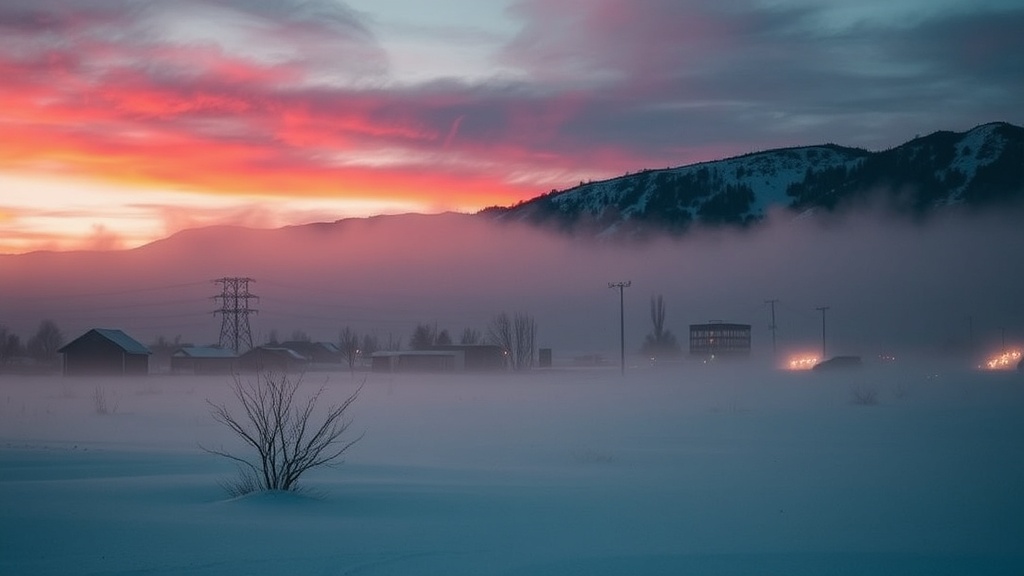
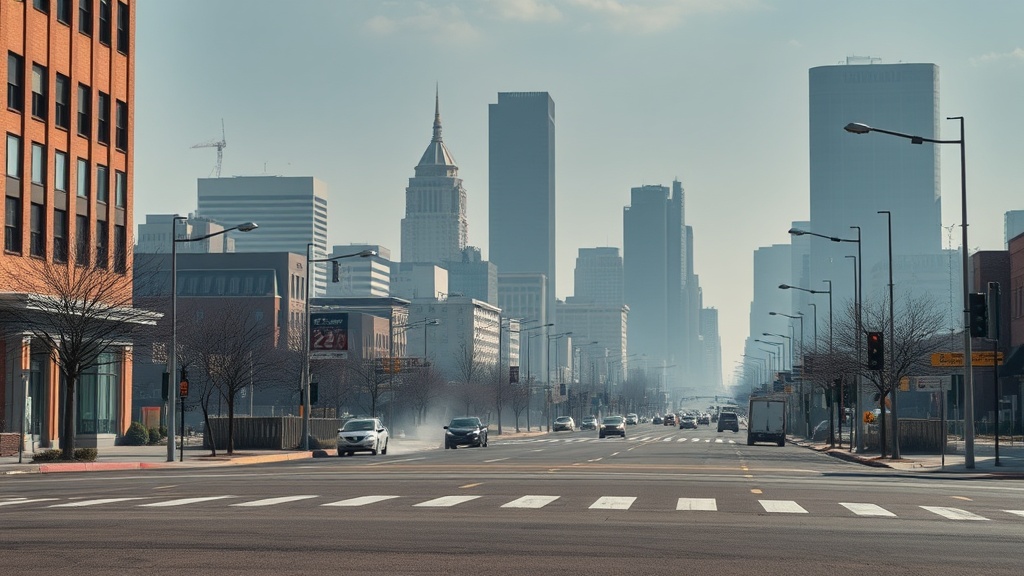
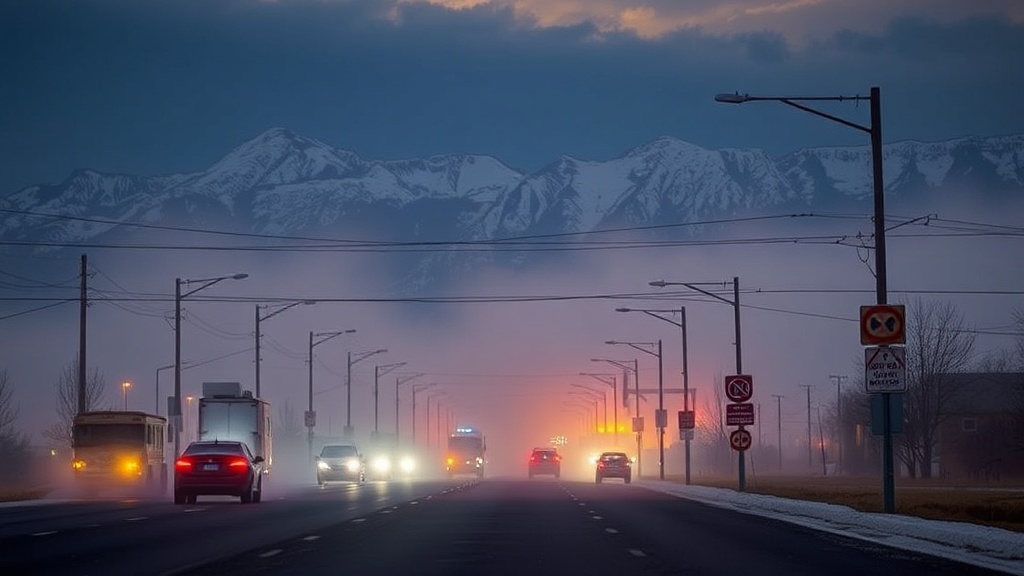
As Utah residents brace for the impacts of a significant atmospheric phenomenon, a substantial ridge of high pressure has settled over the western United States, leading to persistent inversion conditions that are expected to linger throughout the week. The resulting weather pattern has caused a marked decrease in air quality, raising concerns among health officials and environmentalists alike. This atmospheric inversion, characterized by a layer of warm air trapping cooler air at the surface, has created a haze that shrouds many valleys across the state, particularly in urban areas.
The phenomenon of atmospheric inversion occurs when warmer air traps cooler air beneath it, preventing pollutants from dispersing. This situation is particularly problematic in areas with high levels of vehicular traffic and industrial activity, as the trapped air becomes saturated with particulate matter and other harmful pollutants. Utah, known for its stunning natural landscapes, is currently grappling with air quality issues that could have far-reaching implications for public health and environmental sustainability.
According to the Utah Department of Air Quality (DAQ), the air quality index (AQI) readings have been climbing into the unhealthy range in many parts of the state. "We are seeing elevated levels of PM2.5, which are tiny particulate matter that can penetrate deep into the lungs and even enter the bloodstream," said Dr. Sarah Thompson, an air quality specialist with the DAQ. "This is concerning, especially for sensitive groups such as children, the elderly, and those with pre-existing respiratory conditions."
The current inversion is particularly impactful in the Salt Lake Valley, where geographical features such as mountains and valleys exacerbate the stagnation of air. The inversion layer can lead to significant temperature drops in the valley, with daytime highs failing to break above the freezing mark in some areas. "It's not just about the air we breathe; the cooler temperatures can also affect our daily lives, from heating costs to outdoor activities," noted local meteorologist Mark Jenkins.
In response to the deteriorating air quality, health officials are urging residents to take precautions. The DAQ has recommended that individuals limit outdoor activities, especially during the morning and evening hours when pollution levels tend to peak. Additionally, those with respiratory issues are advised to stay indoors as much as possible. "We're encouraging people to be proactive about their health," Dr. Thompson emphasized. "Taking simple steps can make a significant difference during these inversion events."
The impacts of poor air quality extend beyond health concerns. Local businesses, particularly those in the outdoor recreation sector, are also feeling the strain. Many ski resorts and outdoor activity providers are reporting declines in visitors due to unfavorable conditions. "We rely heavily on good air quality for our winter sports, and these inversions can deter people from coming out to enjoy what we have to offer," explained Lisa Martinez, the owner of a local ski rental shop. "It's a tough balancing act for us."
Moreover, the ongoing inversion raises questions about long-term air quality management strategies in Utah. Environmental advocates argue that the state must invest more in sustainable transportation options and stricter emissions regulations to combat these recurrent air quality issues. "This is not just a weather pattern; it's a wake-up call for us to rethink how we approach air quality in our urban environments," said environmental activist Rachel Greene. "We need to take this opportunity to push for policy changes that prioritize clean air for all residents."
As the week progresses, meteorologists are keeping a close eye on the weather patterns, hopeful for a shift that could clear the stagnant air. "There is a possibility that a storm system could move in by the weekend, which would help to lift the inversion and improve air quality," said Jenkins. However, until then, Utahns are advised to remain vigilant and heed health warnings as they navigate through this period of poor air quality.
In conclusion, the current atmospheric inversion affecting Utah serves as a stark reminder of the complex relationship between weather patterns and air quality. With health officials urging caution and environmental advocates calling for action, the implications of this weather event are felt across various sectors of society. As residents await potential relief, the focus remains on both immediate health measures and long-term solutions to ensure cleaner air for the future.