Utahns Urged to Voice Concerns Over Rocky Mountain Power's Rate Hike Proposal
Utah residents face a proposed rate increase by Rocky Mountain Power to fund wildfire liability. Public response is critical.

Utah residents are facing a significant decision regarding their energy costs as Rocky Mountain Power (RMP) has proposed a controversial plan that could lead to increased electric rates for up to ten years. This proposal is designed to fund a wildfire liability account, but many Utahns are concerned about its long-term implications on their monthly bills and the environment. The utility company has justified this rate increase as a necessary measure to address growing climate-driven risks, particularly in light of increasing wildfire threats in the region.
Justin Thulin, a local advocate for energy reform, has publicly criticized the proposed rate hike, urging residents to be proactive in voicing their concerns. In his recent letter, Thulin emphasized the need for Utahns to understand the broader implications of such a proposal, stating that it shifts the financial burden of climate risks onto consumers without ensuring that RMP will change its operational practices that contribute to these risks. "We are being asked to pay more for electricity while facing an uncertain future regarding the utility's accountability and commitment to sustainable practices," he wrote.
The backdrop for this proposal is a growing awareness of climate change and its impacts on natural disasters, particularly wildfires. Utah has witnessed an alarming increase in the frequency and intensity of wildfires in recent years, attributed to factors such as extended drought periods and rising temperatures. According to a report from the National Interagency Fire Center, the state experienced a record number of wildfire incidents last summer, resulting in significant property damage and loss of natural habitats. As a result, utility companies like RMP are now under pressure to mitigate their liabilities associated with these climate-induced disasters.
RMP's proposal suggests that the increased rates will help fund a liability account to cover potential damages caused by wildfires that may originate from the utility’s infrastructure. However, critics argue that the proposal lacks transparency and does not adequately address how the funds will be utilized to improve existing infrastructure or implement safety measures. Some community members have expressed frustration over the lack of detailed plans from RMP regarding how they intend to reduce risks associated with wildfires, given that many of these risks are exacerbated by the company's current practices.
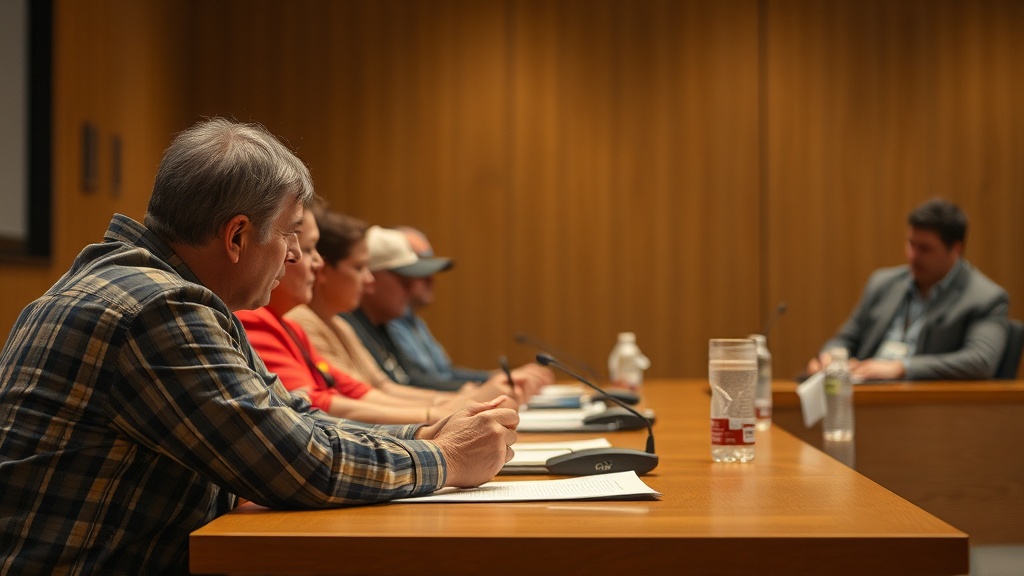
The Utah Public Service Commission (PSC) is responsible for reviewing RMP's proposal, and public comments from residents will play a crucial role in the decision-making process. The PSC has scheduled public hearings to gather input from consumers, and these forums are seen as a critical opportunity for Utahns to articulate their concerns.
Local leaders and environmental advocates are encouraging residents to participate in these hearings, emphasizing that public involvement is essential to ensure that the voices of consumers are heard. Many believe that a collective response could influence the PSC's evaluation of the proposed rate increase. "This is a chance for Utahns to stand together and advocate for an energy policy that prioritizes sustainability and affordability," said a local environmental advocate.
In light of the ongoing debate, some residents are exploring alternative energy options as a means to reduce their reliance on traditional utility providers like RMP. The rise of renewable energy sources, such as solar and wind power, has prompted discussions about the potential for community-based energy solutions that could provide more stable pricing and reduce the environmental impact.
As the conversation surrounding energy policy continues, it is clear that the stakes are high for Utah consumers. Many residents are facing financial pressures from rising costs of living, and the prospect of increased utility bills has heightened anxiety about future expenses. With potential long-term implications for both economic stability and environmental sustainability, the outcome of RMP’s proposal remains a critical issue for the state.
As the public hearings approach, it is vital for Utahns to educate themselves about the details of the proposal, engage with their local representatives, and participate in the decision-making process. The outcome will not only affect current energy prices but also set a precedent for how Utah addresses climate change and energy management in the years to come. The time for action is now, and residents are urged to make their voices heard in the pursuit of a more affordable and forward-looking energy policy.