Unprecedented Warmth and Record Low Snowpack Challenge Utah's Climate Future
Utah faces unprecedented warmth and record low snowpack, raising concerns about water resources and economic impact on winter sports.
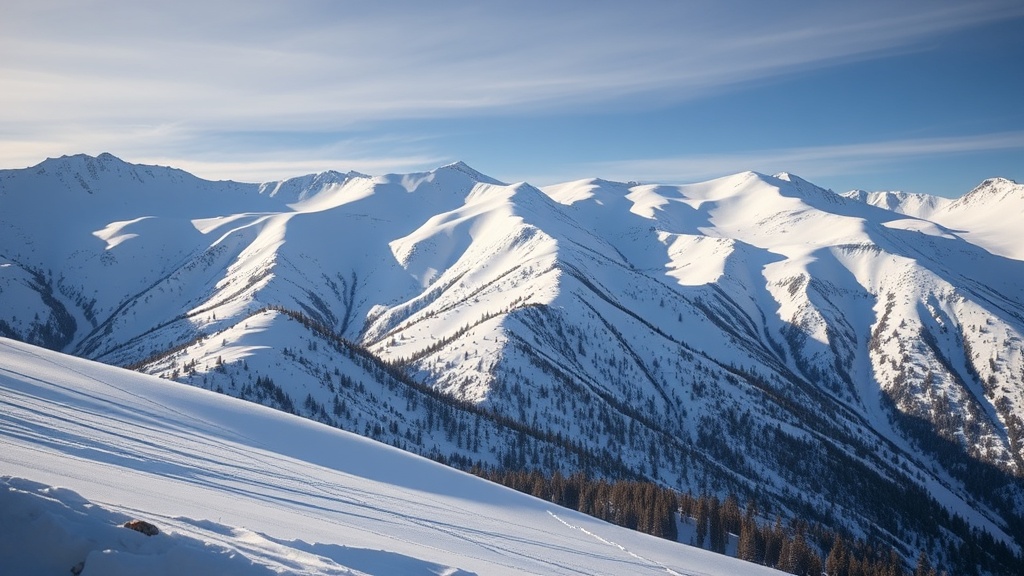
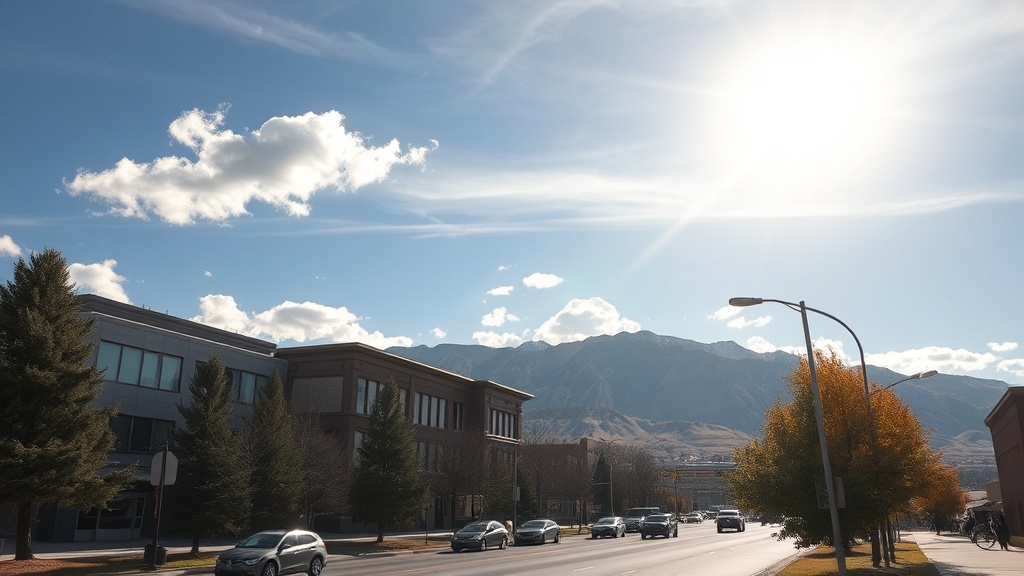
As Utah experiences an unseasonably warm winter, residents and meteorologists alike are expressing concern over the alarming trends in climate conditions. This winter, a notable lack of snowpack has left many wondering about the implications for the state's water resources, winter sports, and overall environmental health. The National Weather Service has confirmed that 2025 was the hottest year on record in Salt Lake City, surpassing temperatures documented since 1875. With such unprecedented heat, the state is grappling with the reality of climate change and its tangible effects on the local ecosystem.
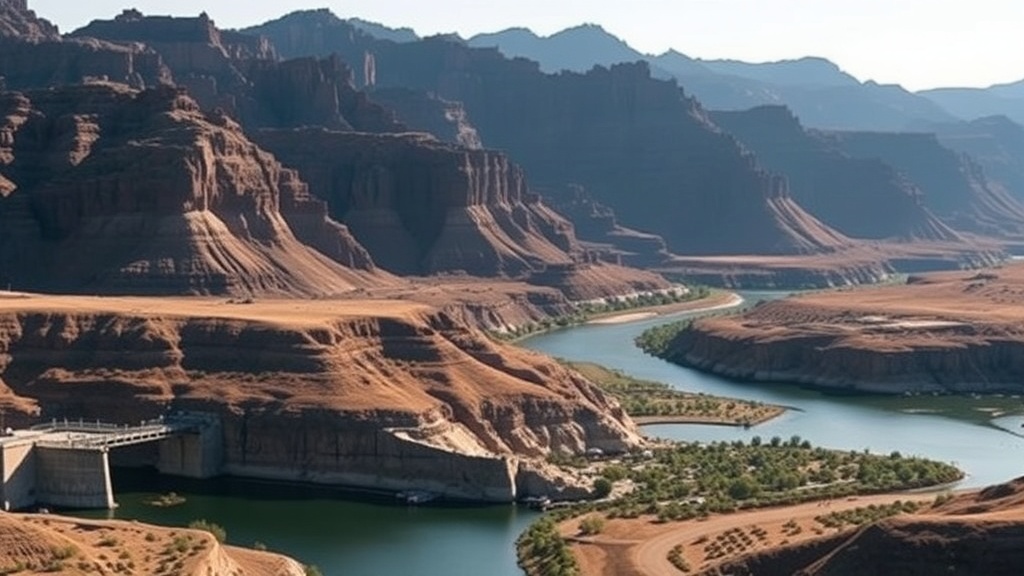
According to a recent report by The Salt Lake Tribune, Utah's snowpack has reached a record low, raising alarms among environmental scientists and water managers. Snowpack is critical for the state's water supply, as it serves as a natural reservoir that replenishes rivers and lakes during the spring melt. The current conditions are a stark reminder that climate patterns are shifting, and the implications could be dire for Utah's water-dependent industries, including agriculture and tourism.
Meteorologist Brian McInerney of the National Weather Service has noted that the warm weather patterns observed this winter are not merely a fluke but part of a larger trend. "It’s kind of crazy to see that trend, and it’s concerning for our water resources," he stated. The National Oceanic and Atmospheric Administration (NOAA) has also highlighted that the past several years have been marked by record-breaking temperatures across the region, contributing to the current lack of snow accumulation.
The impact of low snowpack levels extends beyond just water supply; it also affects the state's economy. Utah's winter sports industry, which draws tourists from all over the globe, relies heavily on adequate snowfall. Ski resorts have reported lower-than-average snow levels, leading to reduced operations and less revenue during what should be peak season. Snowbird Ski Resort, one of the most popular destinations in the state, has voiced concerns over the diminishing snowpack. Resort management has noted that they are preparing for a season that may not meet the expectations of avid skiers and snowboarders, which could have lasting effects on local businesses that thrive during the winter months.
Agricultural stakeholders are also feeling the pinch. Farmers depend on the snowpack for irrigation throughout the summer months. With the current projections indicating a continued decline in snowpack, many are left re-evaluating their water management strategies. David Brown, a local farmer, stated, "This is not just about skiing; it’s about our livelihoods. We need that snow to ensure we have enough water in the summer months. Without it, we could face significant challenges."
The broader implications of climate change have prompted some local leaders and environmental organizations to call for action. They argue that it is imperative to take steps toward sustainability to mitigate future impacts. Initiatives aimed at reducing carbon emissions, increasing energy efficiency, and promoting water conservation are being discussed as potential solutions to combat the ongoing crisis. Various grassroots organizations are mobilizing to raise awareness and encourage community involvement in climate action.
In light of these alarming trends, the question remains: what can be done to create a future where Utah's climate and snowpacks don’t seem so “crazy”? Policymakers are urged to prioritize environmental legislation that addresses climate change and its repercussions. Collaboration between government entities, environmental groups, and the community is essential to develop comprehensive strategies that will protect Utah's natural resources for generations to come.
As the warm winter continues to unfold, it serves as a critical reminder of the volatility of our climate and the urgent need for collective action. The residents of Utah, along with scientists and policymakers, must unite to forge a sustainable path forward. Only through concerted efforts will the state be able to adapt to these changing conditions and ensure a stable future for its environment and economy.
In conclusion, the current winter season is not just a momentary anomaly; it reflects a larger trend that has significant implications for Utah's environment, economy, and the well-being of its residents. As conversations about climate change become increasingly urgent, the need for proactive measures is clearer than ever. It is time for Utah to come together to confront these challenges head-on, ensuring a resilient future for all.