Federal Proposals for Colorado River Water Cuts Could Impact Utah Significantly
Federal proposals for water cuts on the Colorado River could reshape water use in Utah, impacting agriculture, tourism, and more.
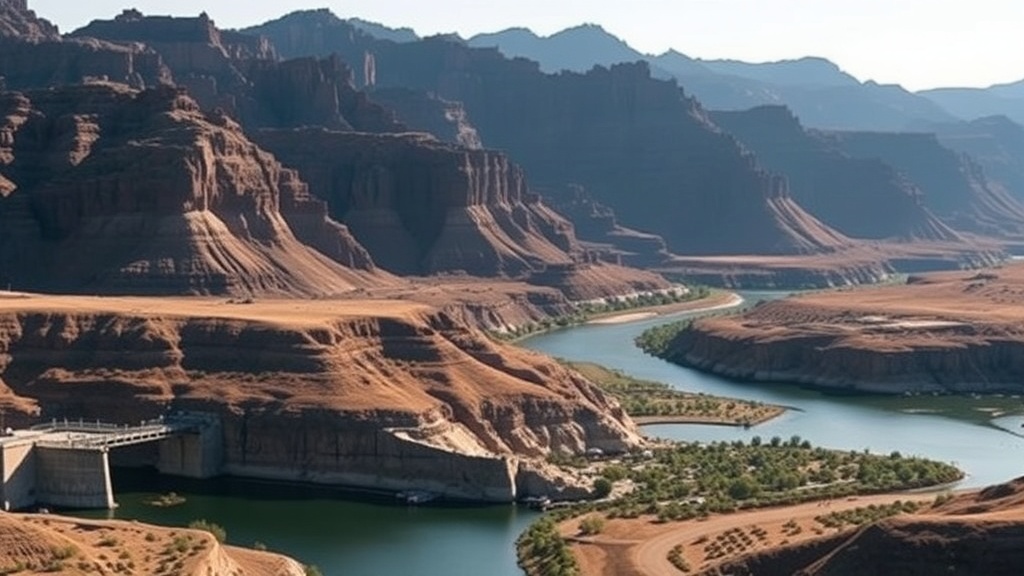
In a move that could dramatically alter water management in the arid West, the federal government has released draft proposals outlining significant water cuts for the Colorado River, which has been facing unprecedented drought conditions. The Colorado River is a critical resource for millions of people across several states, including Utah, where the implications of these proposed changes are likely to be profound. The U.S. Bureau of Reclamation unveiled the plans last week as part of an effort to address the ongoing crisis affecting the river, which supplies water to approximately 40 million people across seven states, including California, Arizona, Nevada, and Utah.
The draft proposals suggest a variety of strategies to reduce water usage and replenish the river's dwindling reserves. These measures could include mandatory reductions in water allocations for agricultural usage, municipal water supplies, and recreational activities. The Bureau of Reclamation is seeking public input on these proposals, which are part of a broader initiative to stabilize the Colorado River system and ensure a sustainable water supply for future generations.
Utah, which relies heavily on the Colorado River for its water needs, could be significantly affected by these proposed cuts. The state already faces challenges from a growing population, agricultural demands, and climate change, all of which exacerbate water scarcity. According to state officials, any reductions in water allocations from the Colorado River could lead to increased competition among water users, including farmers, urban residents, and recreational users.
"The Colorado River is not just a source of water; it’s a lifeline for our communities, our economy, and our environment," said Utah Governor Spencer Cox in response to the proposals. He emphasized the need for a collaborative approach to water management that balances the needs of all users. Governor Cox has been actively advocating for innovative water conservation measures within the state, including investments in infrastructure and technology to improve water efficiency.
The proposals also highlight the urgency of addressing the increasing demands on the Colorado River amidst ongoing drought conditions, which have persisted for over two decades. According to the U.S. Drought Monitor, much of the Western U.S. remains in varying stages of drought, with some areas experiencing extreme conditions. The Colorado River Basin has recorded some of its lowest water levels in history, prompting the federal government to take action to prevent further depletion of this vital resource.
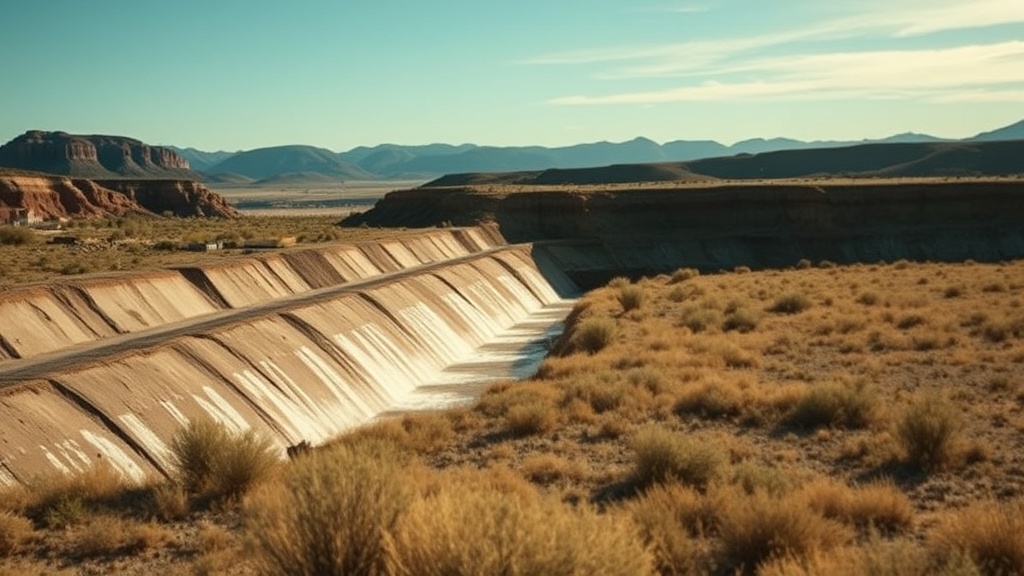
Experts believe that the proposed water cuts could lead to significant changes in agricultural practices in Utah. Agriculture is a major industry in the state, and farmers rely heavily on water from the Colorado River for irrigation. The draft proposals may necessitate adjustments in crop choices, irrigation techniques, and overall water management strategies.
"Farmers may need to pivot towards more drought-resistant crops or improve their irrigation efficiency to adapt to potential water cuts," explained Dr. Jane Smith, a water resources expert at the University of Utah. She noted that while these changes could be challenging, they may also present opportunities for innovation in agricultural practices.
In addition to agricultural implications, the proposed water cuts could impact recreational activities such as fishing, boating, and tourism in Utah. Popular destinations like Lake Powell and the Colorado River itself attract millions of visitors each year, contributing significantly to the state’s economy. Reduced water levels could limit access to these recreational areas, potentially leading to economic losses for businesses that depend on tourism.
As the federal government seeks public input on these proposals, stakeholders across Utah are voicing their concerns and suggestions. Water management experts, agricultural leaders, and environmental advocates are all weighing in, emphasizing the need for a balanced approach that considers the diverse needs of water users.
The Bureau of Reclamation is expected to finalize its proposals in the coming months, but the discussions around water management in the Colorado River Basin are likely to continue for years to come. With the stakes so high, Utah residents and officials are urged to engage in the conversation and advocate for sustainable water policies that protect both current and future water needs.
In conclusion, the draft proposals for water cuts on the Colorado River present a critical juncture for Utah and the other states relying on this essential water source. As the West grapples with ongoing drought and water scarcity, the decisions made in the coming months will have lasting impacts on agriculture, urban planning, and recreational activities throughout the region. Stakeholders must work collaboratively to develop solutions that address the immediate crisis while also ensuring the long-term sustainability of the Colorado River and its vital resources.