Utah Taxpayers Acquire U.S. Magnesium's Assets Amid Environmental Concerns
Utah has acquired U.S. Magnesium's assets, aiming to protect the Great Salt Lake amid ecological concerns.

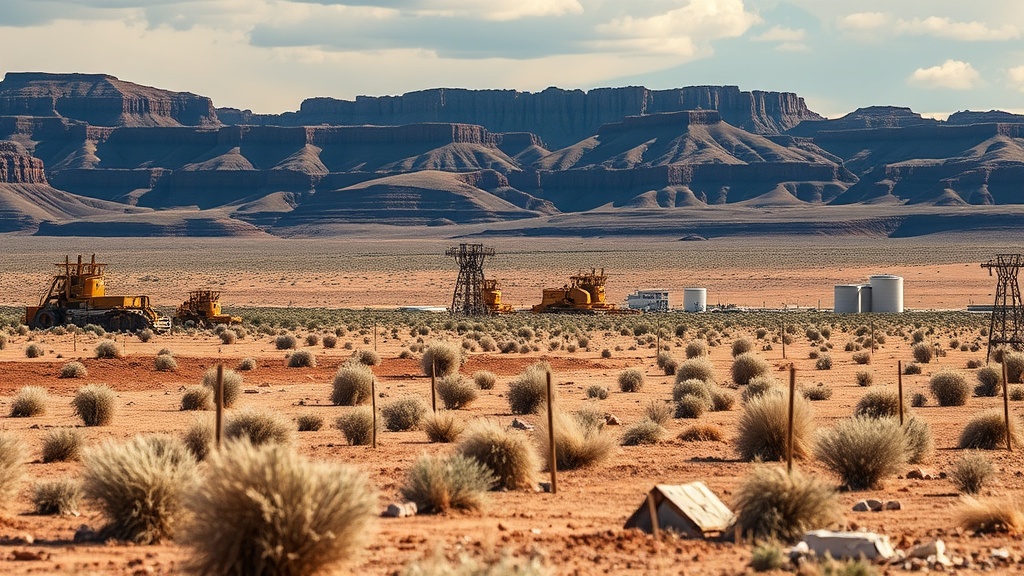
In a significant development for environmental management and economic strategy, the state of Utah has officially acquired the assets of U.S. Magnesium, a company that has faced scrutiny for its environmental impact. A federal judge in Delaware approved the asset purchase on Thursday, allowing the Utah Division of Forestry, Fire & State Lands to take ownership of the mineral extraction plant situated on the shores of the Great Salt Lake. This acquisition has been a swift response from state lawmakers, who allocated $30 million to secure water rights tied to the facility, emphasizing their commitment to preserving the dwindling Great Salt Lake.
The Great Salt Lake has been experiencing alarming declines, exacerbated by a combination of prolonged drought, water diversion, and climate change. As of this year, the snowpack is at historically low levels, raising concerns about the lake's ecological health. Environmental advocates have condemned the U.S. Magnesium facility, labeling it one of Utah's top polluters, and have argued that its operations contribute to the lake's degradation.
The legislative decision to acquire U.S. Magnesium's assets is part of a broader strategy to tackle the environmental crisis facing the Great Salt Lake. Political leaders in Utah have repeatedly emphasized their intention to retain the majority of water rights acquired through this deal, aiming to redirect it back into the lake. This move is seen as crucial to restoring the lake's health, especially given the alarming rise in toxic dust emissions from exposed lakebed areas, which contain harmful minerals including arsenic.
Judge Brendan Shannon's order, which facilitates the transfer of ownership, also includes stipulations regarding environmental oversight. In his ruling, he explicitly stated that the purchase agreement does not negate the regulatory authority of the Utah Department of Environmental Quality (DEQ). "For the avoidance of doubt, nothing in this Order or the Purchase Agreement releases, nullifies, precludes, or enjoins the enforcement of any police or regulatory power by the Utah Department of Environmental Quality... against the post-sale owner and/or operator of property after the date of entry of this Order," the judge wrote. This ensures that the new owners will be held accountable for any environmental compliance following the sale.
The implications of this acquisition extend beyond immediate environmental concerns. The Great Salt Lake is not only vital for local ecosystems but also plays a significant role in the region's economy, particularly in industries such as tourism and recreation. A healthy lake supports diverse wildlife and contributes to the state's natural beauty, which attracts visitors from across the country.
Furthermore, the acquisition reflects a broader trend in which state governments are increasingly taking proactive measures to address environmental challenges. As the climate crisis intensifies, Utah's strategy to regain control of essential water rights signifies an understanding that proactive intervention is necessary to mitigate future risks associated with declining water bodies.
Environmental groups have expressed cautious optimism regarding the state's acquisition of U.S. Magnesium's assets. While they welcome the potential for improved water management and enhanced regulatory oversight, they also stress the need for continuous monitoring to ensure that the new ownership does not perpetuate past environmental harms. The future of the Great Salt Lake remains uncertain, but state officials are hopeful that this acquisition will mark a turning point in reversing the lake's decline.
As Utah embarks on this new chapter in environmental stewardship, the collaboration between government entities, environmental organizations, and the public will be crucial. Stakeholders are encouraged to engage in ongoing discussions about the best practices for water management and ecological restoration.
This development has been reported as part of the Great Salt Lake Collaborative, a solutions journalism initiative aimed at raising awareness about the challenges facing the Great Salt Lake and exploring actionable solutions before it is too late. As the situation evolves, residents and policymakers alike will be watching closely to see how this acquisition will affect the environmental health of the region and the future of the Great Salt Lake.
In summary, the state of Utah's acquisition of U.S. Magnesium's assets not only represents a significant investment in environmental protection but also underscores the urgency of addressing the ecological crisis facing the Great Salt Lake. With a commitment to keeping most of the water in the lake, state leaders hope to pave the way for a healthier ecosystem and a sustainable future for this crucial natural resource.