Unseasonably Warm Winter in Utah Raises Concerns for Ski Industry
Utah's Park City faces an unusually warm winter, raising concerns for the ski industry as snow cover dwindles and temperatures rise.
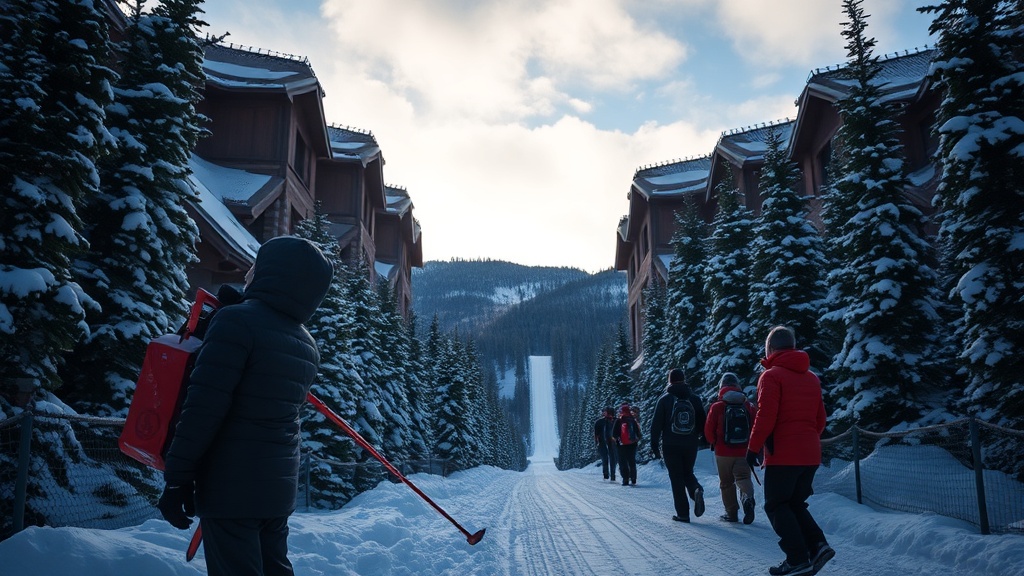
As the winter of 2025 unfolds, Utah's Park City is grappling with an unusual climatic phenomenon often referred to as a 'never winter.' Following an exceptionally warm summer and a record dry water year that concluded on October 1, 2025, the region initially found solace in a rain-soaked October. However, the subsequent months have presented a stark contrast, raising concerns for both local residents and the ski industry reliant on winter snowfall.
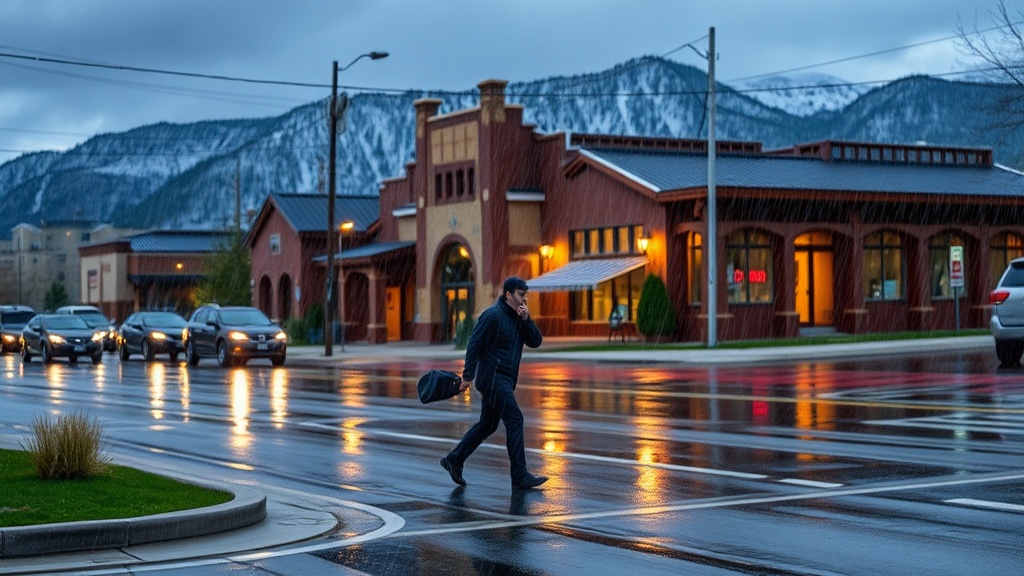
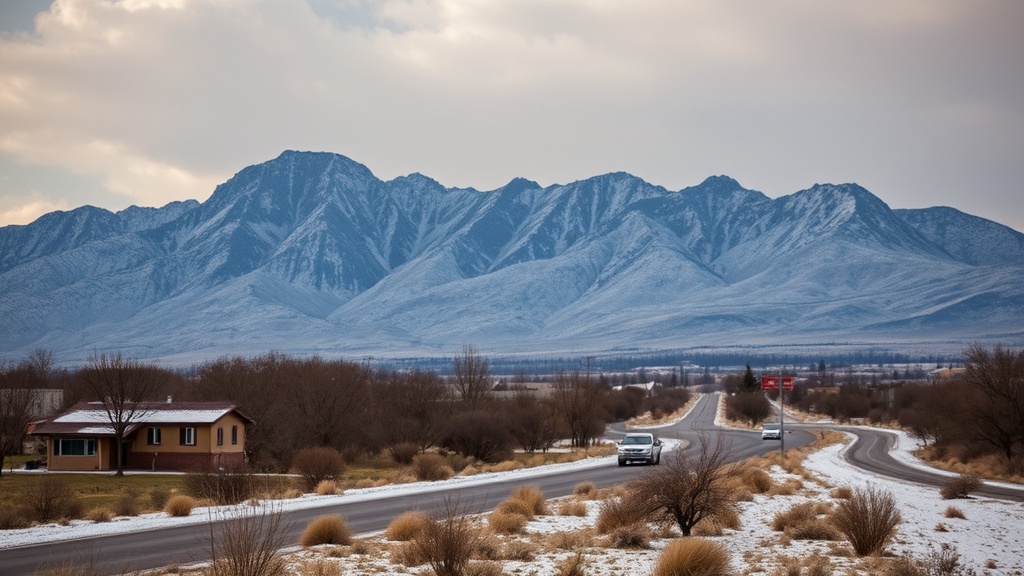
The optimism that blossomed from October's precipitation quickly diminished as December arrived. Despite receiving substantial rainfall, temperatures remained unseasonably high, preventing snow accumulation on the mountains. The warm conditions led to a disappointing winter landscape that many had hoped would be blanketed in snow, setting the stage for a fruitful ski season. Instead, skiers and resort operators alike faced a grim reality as the holiday season approached without the expected snow cover.
Matthew Lindon, a local climate analyst, has extensively reviewed historical climate data and observed alarming trends. Utilizing the Prism geospatial database from Oregon State University, he noted a significant increase in average annual temperatures in Park City. Over the past century, average temperatures have risen by approximately 2-3 degrees, with even more pronounced increases in summer morning lows—up to 5-10 degrees over the last 50 years. Lindon emphasizes that these changes are not gradual but rather exponential, highlighting the urgency of addressing climate change.
In his analysis, Lindon pointed out that November 2025 saw an average temperature that was 10.5 degrees higher than the long-term averages, while December recorded an increase of 11.4 degrees. Such temperature spikes during critical winter months pose a substantial threat to the ski industry, which relies on consistent snowfall. Lindon further explained that even minor fluctuations in temperature can significantly impact ski resort operations, particularly at the start of the season when early snow is crucial for drawing in visitors.
The ski industry has a vested interest in maintaining the winter season. If resorts fail to provide adequate snow cover during peak holiday periods, they risk losing substantial revenue. The changes in snowfall patterns have resulted in a compressed ski season, with many resorts experiencing shortened operations at both the beginning and end of the winter months. The spring runoff season, traditionally peaking in June, has shifted to May, effectively shortening the ski season by nearly a month.
Local weather expert Brian McInerney, formerly of the National Weather Service, has been vocal about the implications of rising temperatures on water resources and snowpack. Together with Lindon, they have been advocating for increased awareness surrounding climate change and its direct impact on water supplies and snowfall. This year's warmer winter is not just a passing anomaly; it aligns with a broader pattern of climatic shifts that threaten not only the ski industry but also the local ecosystem and economy.
The ski resorts, which have heavily invested in infrastructure and expansion, are now confronted with the reality of a changing climate. Lindon noted the irony of developers investing billions into a ski-centric economy in January, a month that currently lacks the expected snow cover. This raises questions about the sustainability of such investments and the future of winter sports in Utah.
Resorts may need to reconsider their operational strategies and marketing timelines. With temperatures rising and snowfall becoming less predictable, Lindon suggests that the ski industry may need to adjust its seasonal calendar. Perhaps shifting peak promotional efforts to later in the winter could help mitigate losses, as many resorts find themselves struggling with inadequate snowpack during traditional holiday periods.
The current situation serves as a wake-up call for stakeholders across the ski industry and beyond. Lindon argues for a comprehensive reevaluation of how climate change is addressed within the industry, emphasizing that proactive measures are necessary to adapt to the changing landscape. As the winter season continues to unfold, the effects of climate change on snowfall patterns will be closely monitored, while local communities and businesses are left to grapple with the new normal of warmer winters.
Matthew Lindon resides in Snyderville and is an advocate for climate awareness. His insights reflect a growing concern among residents about the sustainability of winter tourism in the face of climate change, highlighting the need for immediate action and adaptation strategies.
This winter's uncharacteristic warmth serves as a reminder of the pressing challenges posed by climate change, demanding attention and action from all sectors involved, from environmentalists to local businesses and government officials. As Utah navigates these changes, the future of its beloved winter sports hangs in the balance, underscoring the importance of addressing environmental shifts head-on.