Southeast Utah Faces Renewed Nuclear Waste Threat Amid Local Concerns
Southeast Utah faces renewed scrutiny as a potential nuclear waste site, raising local concerns over health and environmental risks.
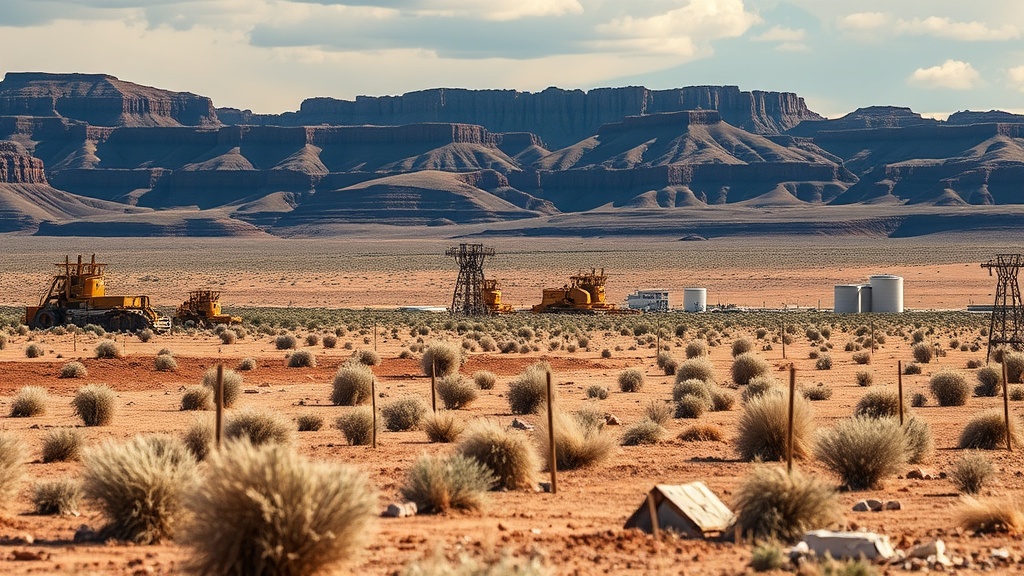
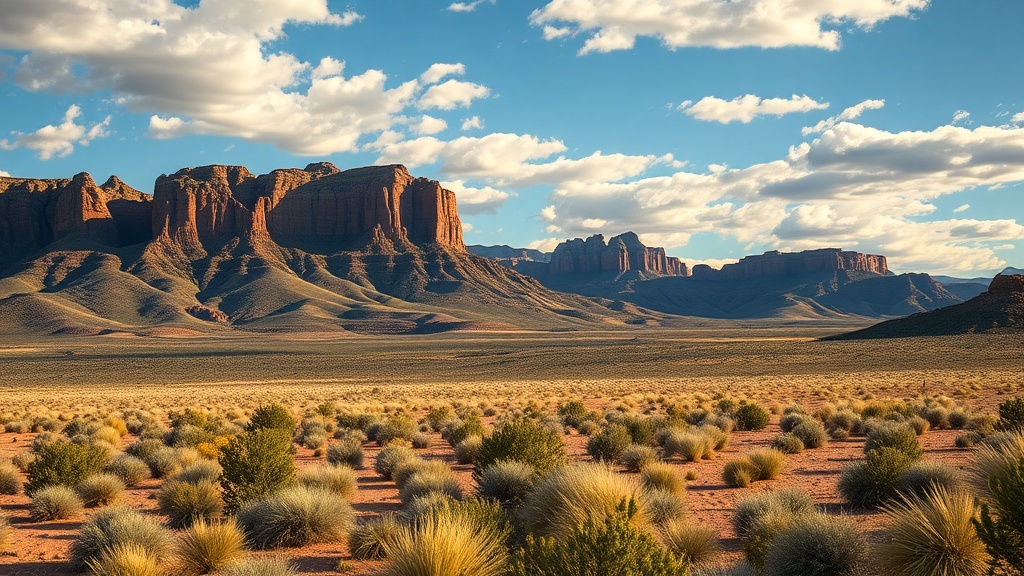
Southeast Utah is once again in the spotlight as a potential site for the storage of high-level nuclear waste, a scenario that has raised significant concerns among local residents and environmental advocates. In the early 1980s, the Department of Energy (DOE) proposed this region as a possible dumpsite for 8,000 tons of radioactive material from nuclear reactors, a plan that ultimately failed due to widespread opposition. Now, with a new $2 million grant from the Biden administration directed at promoting nuclear energy, the area is facing renewed scrutiny.
San Juan County, home to a majority Indigenous population and characterized as Utah’s poorest county, has recently hosted several meetings under the DOE’s “consent-based siting consortia” initiative. This program aims to encourage local buy-in for the storage of nuclear waste, a concept that has historically been met with skepticism in the region. At these meetings, pro-nuclear organizations like Mothers for Nuclear and Native Nuclear have been advocating for the safety and economic benefits of nuclear energy.
Proponents argue that nuclear energy is a cleaner alternative to fossil fuels and can contribute to climate goals. They emphasize that past fears surrounding nuclear waste misrepresent its safety. In a notable shift from the past, when some locals supported the idea of a nuclear dump as preferable to national parks, the current sentiment is vastly different. The failure of the 1980s proposal led to a reinvention of the Moab area into an international tourist destination, showcasing its natural beauty rather than its potential as a nuclear waste site.
However, the specter of nuclear waste remains a pressing concern. Many residents recall the detrimental effects of previous uranium mining in the region, which left a legacy of health issues. Monticello, San Juan County’s seat, was once home to a uranium mill that operated from 1942 to 1960, leading to health crises characterized by elevated cancer rates among its residents. Studies have shown that lung and stomach cancer rates in Monticello were found to be twice the state average, a grim reminder of the potential risks associated with nuclear activities.
The Navajo Nation, which has also faced the repercussions of uranium mining, banned the practice in 2005 after witnessing a surge in uranium-related health issues. The history of environmental degradation and health problems linked to the nuclear industry has left many residents wary of proposals to store nuclear waste in their communities. Recent events have reignited these fears, particularly the exemption granted to Energy Fuels, the operator of the White Mesa uranium mill, allowing them to transport radioactive waste through unceded tribal lands despite local opposition.
The long-standing health disparities in these regions are compounded by the continued debate over the future of nuclear waste management. While some advocates present a vision of economic revival through nuclear waste acceptance, history suggests otherwise. The economic benefits seen during the Cold War uranium rush came at a steep cost, leaving behind a public health crisis that continues to affect communities today.
Despite the recent push by pro-nuclear groups, local resistance remains strong. Residents of San Juan County are determined to challenge the DOE's renewed focus on their region as a site for nuclear waste. Community members continue to voice their concerns about the implications of becoming a dumping ground for radioactive material, especially when juxtaposed with the area's rich cultural and natural heritage.
The ongoing discussions about nuclear waste management highlight a broader national debate over energy policies and environmental justice. The question remains: can the region reconcile its past with a future that some propose involves nuclear waste? As the DOE seeks to implement more pro-nuclear policies, local communities in Southeastern Utah are poised to defend their land and health against what many see as an existential threat.
As these discussions unfold, the narrative surrounding nuclear energy and waste continues to evolve, with implications not just for San Juan County but for communities across the nation. The fight against becoming a nuclear waste repository is emblematic of larger issues regarding environmental equity and the rights of Indigenous communities, underscoring the need for careful consideration and respectful dialogue as the nation grapples with its energy future.
Zak Podmore is a contributor to Writers on the Range, an independent nonprofit dedicated to fostering conversation about the West. He is also the author of 'Life After Deadpool.'