Utah Snowpack Hits Record Low Amid Ongoing Dry Winter Conditions
Utah's snowpack has hit record lows this winter, raising concerns over water supply and environmental health as 93% of the state faces drought.
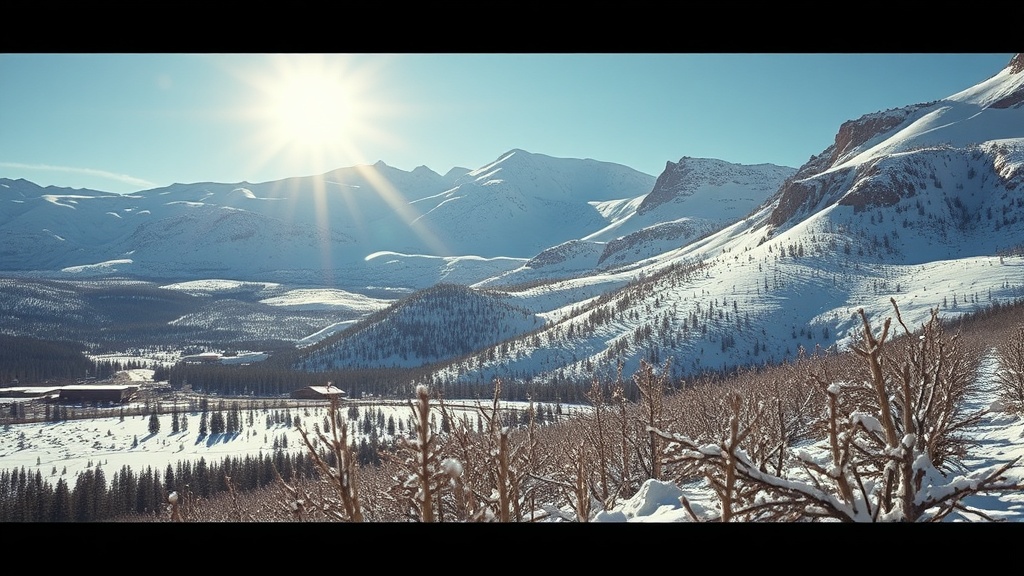
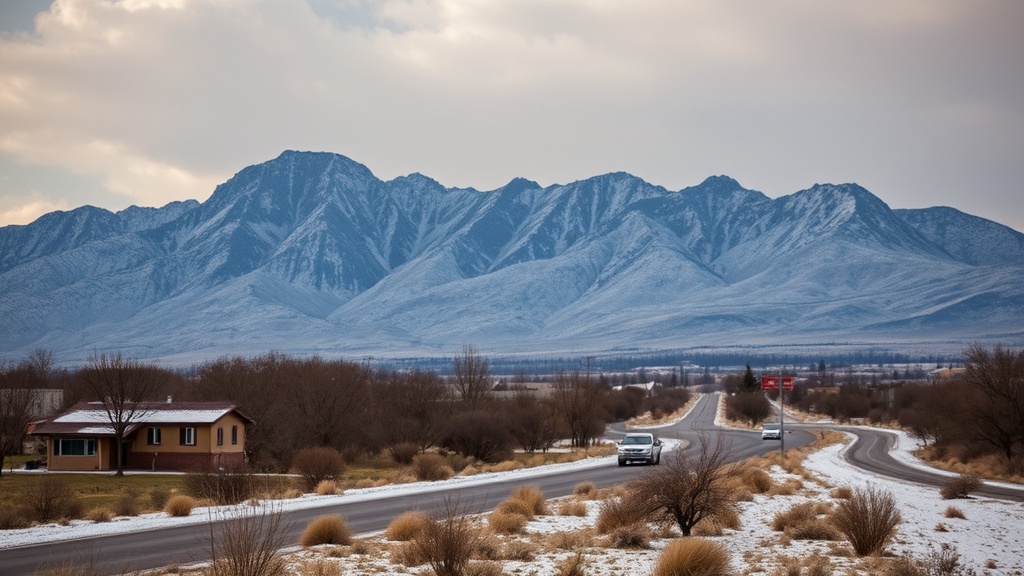
As Utah faces an unusually dry winter, the state's snowpack has plummeted to record low levels, raising significant concerns for water supply and environmental health. According to a report released Monday by the U.S. Department of Agriculture’s Natural Resources Conservation Service (NRCS), the statewide snowpack has reached unprecedented lows since measurements began in 1980. This alarming trend not only affects winter sports enthusiasts but also has dire implications for water resources crucial to the state’s agriculture and ecosystem.
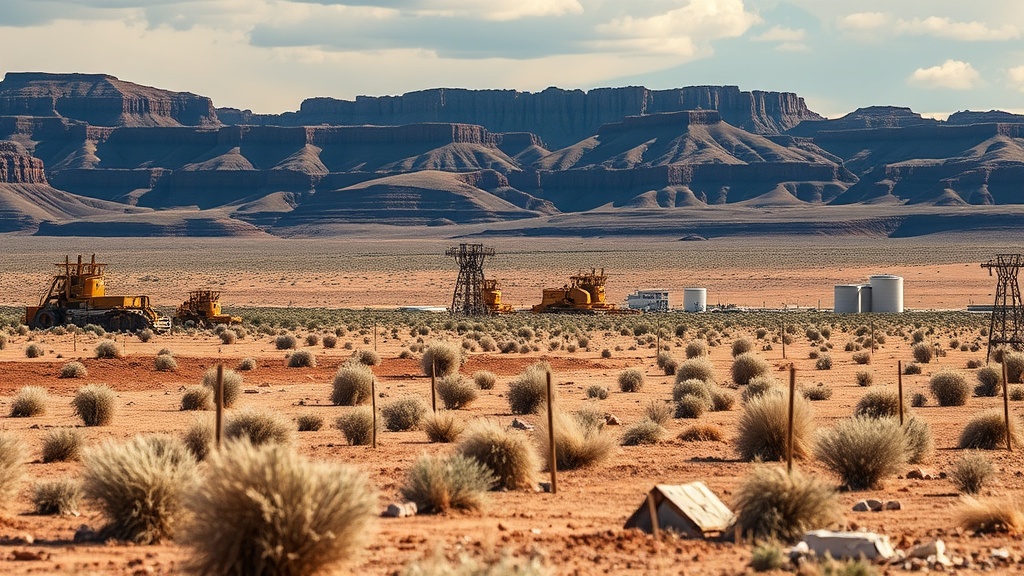
The NRCS report reveals that approximately 93% of Utah is currently experiencing drought conditions. Of the 140 measurement stations across the state, 31 have recorded their lowest snow water equivalent levels, while an additional 12 stations are reporting their second-lowest levels. This means that nearly one-third of Utah’s snowpack monitoring network is at its worst or second-worst amount ever recorded, a statistic that raises red flags for both state officials and residents alike.
"Utah relies on snowpack for approximately 95% of its water supply," stated a representative from the Utah Division of Natural Resources. Snowpack serves as a natural reservoir, melting throughout the year to provide vital runoff that replenishes reservoirs essential for sustaining water availability during dry months. The lack of snow this winter could therefore have long-lasting repercussions, impacting everything from agricultural irrigation to municipal water supplies.
The USDA employs Snow Telemetry (SNOTEL) stations throughout the Western U.S. to gather snowpack and related climatic data. These systems play a crucial role in understanding and managing water resources, especially during periods of drought. "We don’t want this to be the No. 1 year for the record low snowpack, but there’s not much we can do at this point," remarked Utah House Speaker Mike Schultz, R-Hooper. His comments reflect a growing concern among state lawmakers as they grapple with the implications of these low snowpack levels.
In addition to immediate water supply concerns, the record low snowpack has significant implications for the Great Salt Lake, which has already faced its own set of challenges. Previous conservation efforts have been put into place, but the current snowpack situation exacerbates challenges for water management plans. Schultz expressed cautious optimism, stating that the measures taken may prevent the lake from hitting record-low levels again, even if snowfall remains minimal. "We started managing our water resources a month ago and are still actively engaged in discussions about how to best navigate this situation," he noted.
Senate Republicans are also taking action. Senator Scott Sandall, R-Tremonton, who is leading water legislation, emphasized the urgency of the situation, referencing the lake's record low levels in 2021 and 2022. "Our primary focus must be on the health of the Great Salt Lake, and we will continue to explore every avenue for water conservation," he said. The drying lake has started to create public health concerns as toxic dust laden with arsenic and other heavy metals is stirred up, worsening air quality in the region.
Last year, the Great Salt Lake reached its third-lowest water level on record, prompting public health officials to issue warnings about the potential dangers associated with the lake's diminishing size. The increased dust exposure could lead to respiratory issues and other health complications for residents in the surrounding areas.
As Utah navigates these challenging circumstances, the urgency for effective water management has never been clearer. The record low snowpack not only threatens the state’s water supply but also poses long-term implications for public health and environmental sustainability. With nearly a third of the state’s snow measurement stations reporting dire conditions, residents and lawmakers alike are left to ponder the future of water resources in a state increasingly affected by climate variability. Moving forward, the need for comprehensive water conservation strategies and public awareness campaigns is paramount as Utah faces what many hope will not be a continuing trend of diminishing snowpack and increasing drought.