Utah's SNAP Benefits to Exclude Soda Purchases Starting January 1, 2026
Starting January 1, 2026, Utahns will be banned from using SNAP benefits to buy soda, following a new law aimed at promoting healthier choices.
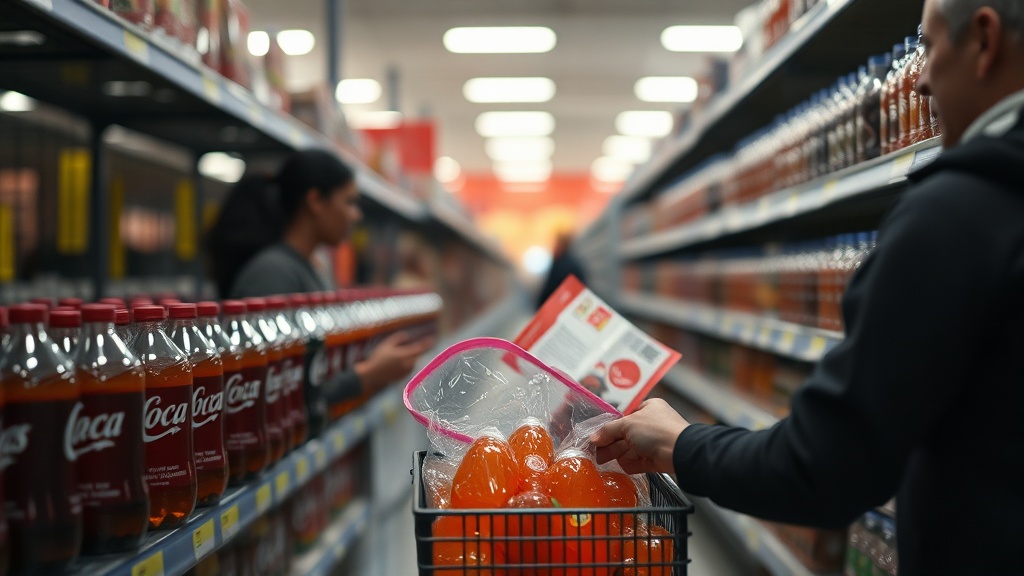
Beginning January 1, 2026, residents of Utah will no longer be permitted to use their Supplemental Nutrition Assistance Program (SNAP) benefits to purchase soda, following the passage of a significant legislative change aimed at promoting healthier dietary habits among recipients. This shift, mandated by the recently enacted HB403, was approved by the Utah Legislature earlier this year and represents a growing trend among states seeking to impose restrictions on what can be bought with federal food assistance funds.
The decision to ban soda purchases stems from a request made by Utah’s Department of Workforce Services to the federal government for a waiver that would allow the state to implement these restrictions. In June 2025, federal officials under the Trump administration granted Utah’s waiver, aligning the state with Idaho and Arkansas, both of which also sought similar limitations as part of a broader initiative dubbed "Make America Healthy Again."
The Utah Department of Workforce Services announced the upcoming changes in a news release issued on December 27, 2025. Becky Wickstrom, a spokesperson for the department, clarified that this ban does not alter the amount of SNAP benefits that eligible individuals will receive. Instead, it specifically modifies what those benefits can be used to purchase. "We have worked closely with the state’s retailers to prepare for this change and are ready for it to take place on January 1, 2026," Wickstrom stated, emphasizing the collaboration with the retail sector to ensure a smooth transition.
Under the new regulations, soda is defined as any flavored beverage containing carbonated water and sweetened with either sugar or artificial sweeteners. However, the ban will not apply to milk or drinks made from milk substitutes, nor will it restrict purchases of beverages that contain more than half real fruit or vegetable juice. Other items that remain ineligible for SNAP purchases include hot, prepared foods, alcohol, tobacco products, and non-food items such as cleaning supplies and pet food.
The legislative push to limit soda purchases was spearheaded by Highland Republican Representative Kristen Chevrier, who articulated that the intent of the bill is to improve health outcomes for Utah residents who rely on food assistance. "The SNAP program helps those who are facing food insecurity and in need of nutrition. We don’t want to undermine health and fuel chronic disease by subsidizing the purchase of sugary drinks," Chevrier remarked. This sentiment is echoed by many advocates who argue that reducing access to sugary beverages could lead to better health choices among low-income populations.
Despite the apparent public health objectives of the legislation, the bill faced criticism, particularly from Utah House Democrats. They expressed concerns that the restrictions could undermine the autonomy and dignity of SNAP recipients, suggesting that such regulations might not effectively change dietary habits. In a statement issued during the legislative process, House Democrats argued, "While this bill claims to promote healthier choices, it imposes restrictions without offering constructive or evidence-based solutions. Additionally, this legislation will be complicated to implement — requiring costly updates to point-of-sale systems, staff retraining, and compliance monitoring, all without guaranteeing better health outcomes."
The debate surrounding the ban on soda purchases is emblematic of a larger national conversation about food assistance programs and their role in addressing public health challenges, particularly obesity and related chronic diseases. Proponents of similar measures argue that SNAP should not subsidize foods that contribute to poor health outcomes, while opponents contend that such restrictions may unfairly penalize individuals who are already facing significant economic hardships.
As Utah prepares for the implementation of this new policy, residents seeking clarity on what items can or cannot be purchased with SNAP benefits are encouraged to consult the Utah Department of Workforce Services' official website. This resource offers comprehensive information on eligible food items and the overall structure of the SNAP program in Utah.
In conclusion, the ban on soda purchases using SNAP benefits marks a notable shift in Utah's approach to food assistance, reflecting broader trends in public health policy and welfare reform. As the state moves forward with this initiative, the implications for SNAP recipients and their dietary choices will continue to unfold, potentially setting a precedent for other states to follow in the future.