Former Congressman Rob Bishop Announces Candidacy for Utah Legislative Seat
Former Congressman Rob Bishop announces candidacy for Utah House seat, seeking to fill vacancy left by Matt Gwynn's resignation.
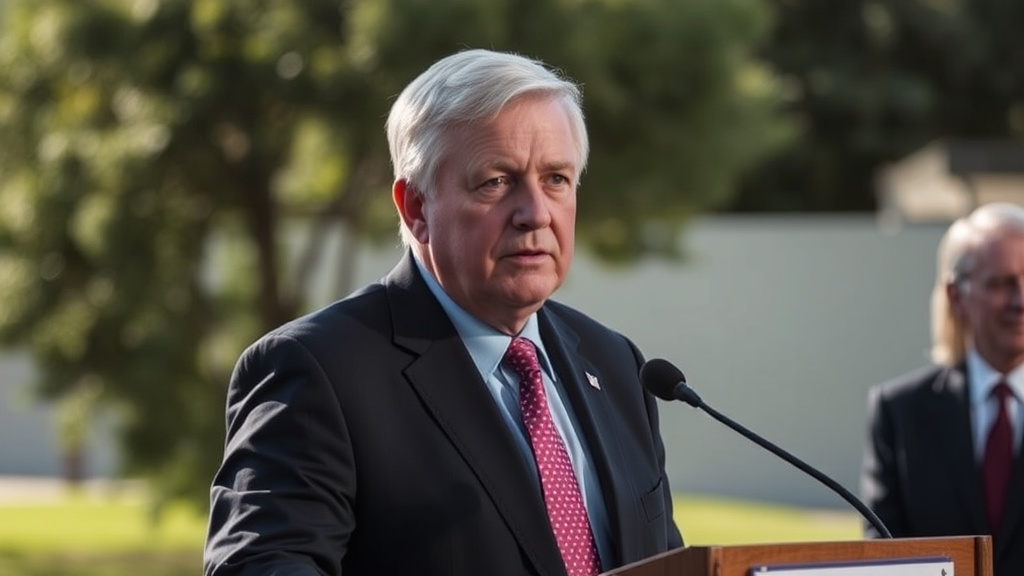
In a significant political development, former U.S. Representative Rob Bishop has officially declared his intention to run for a seat in the Utah State Legislature in the upcoming 2026 elections. This announcement comes in the wake of state Representative Matt Gwynn's resignation, which has left the House seat vacant. Bishop, who served nine terms in Congress, is a seasoned political figure with a long history of public service that dates back to his first election in 2003. His decision to re-enter the political arena is drawing attention from both supporters and critics alike, as he seeks to reinvigorate his political career at the state level.
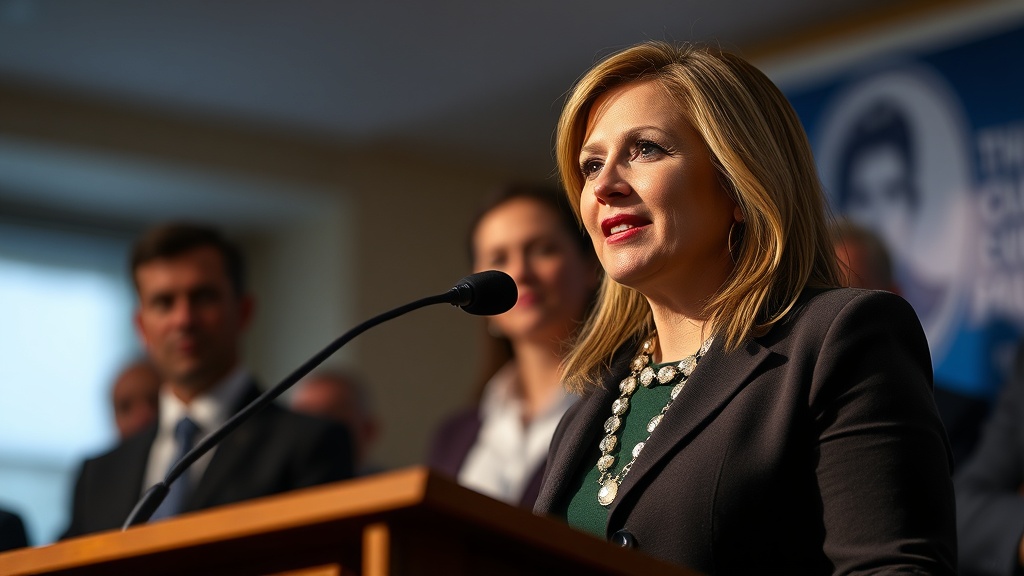
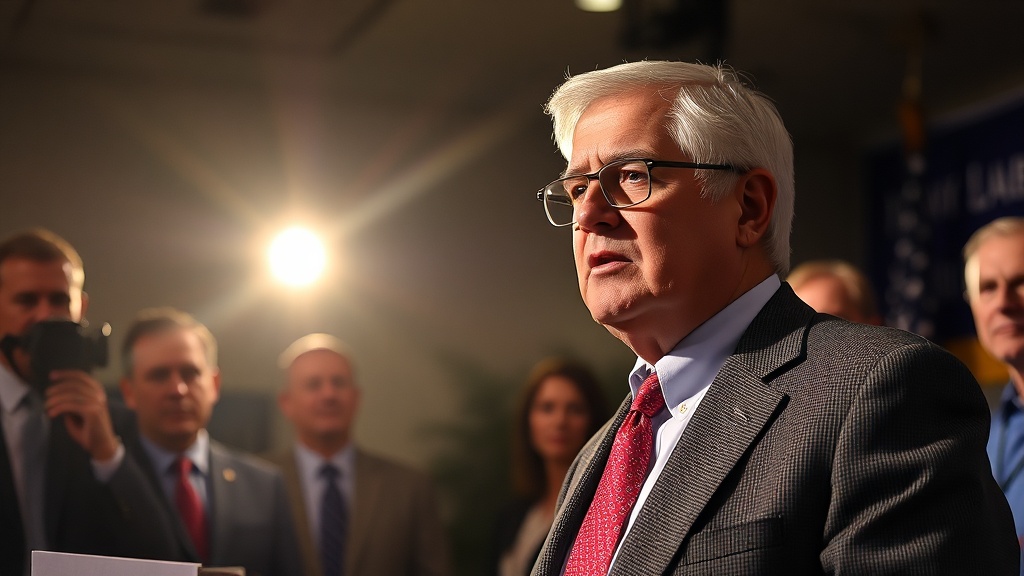
Bishop, a Republican, made his announcement during a press conference held at a local community center in Ogden, Utah, which is located in the district that he aims to represent. "I believe that Utah deserves strong leadership that prioritizes the needs of our communities," Bishop stated. He emphasized his commitment to addressing pressing issues such as education funding, infrastructure development, and public safety. His experience in Congress, particularly as a former chairman of the House Natural Resources Committee, has equipped him with a unique perspective on these issues.
The vacancy in the House of Representatives was created when Gwynn, a fellow Republican, resigned to pursue other opportunities. Gwynn's departure has opened up a competitive race, and Bishop’s entry is expected to shake up the political landscape in Utah. Gwynn had held the seat for a relatively short period but was known for his active involvement in local issues, making Bishop's challenge to fill his shoes all the more significant.
During his tenure in Congress, Rob Bishop was known for his conservative stance on various issues, including land use and energy policy. He often advocated for reducing federal control over public lands, a topic that resonates deeply with many Utah residents who value local management of resources. His previous legislative efforts in Congress included initiatives aimed at promoting economic development and enhancing local governance. Given his track record, Bishop's campaign is likely to focus on similar themes, appealing to constituents who prioritize state autonomy and local decision-making.
Political analysts suggest that Bishop's experience and name recognition could give him a distinct advantage in the upcoming race. His long-standing connections in the Republican Party and among local constituents could translate into a robust campaign, particularly in a state where the GOP has maintained a strong foothold. However, some observers caution that his past positions may also attract opposition from more moderate voters who are increasingly concerned about partisanship and divisive politics.
Bishop's announcement has already sparked reactions from local political figures and community members. Utah State Senator Todd Weiler expressed support for Bishop's candidacy, stating, "Rob has a proven record of service and leadership. We need someone who understands the complexities of our state and will fight for our interests in the Legislature." Conversely, some local activists are gearing up to challenge his candidacy, arguing that his long tenure in Washington may not align with the needs of Utahns today.
As the political landscape evolves, the dynamics of the race for the vacant House seat will be closely watched. Bishop's campaign is expected to address not only traditional Republican issues but also the growing concerns about education and health care that resonate across party lines. In recent years, many Utahns have voiced their desire for improved public services and educational opportunities, topics that could become pivotal in the 2026 elections.
Looking ahead, Bishop plans to launch a series of town hall meetings to engage directly with constituents. "I want to hear from the people about what matters most to them," he said, highlighting the importance of community input in his campaign strategy. This grassroots approach could prove effective in garnering support and building a coalition of voters who are invested in the future of their communities.
In conclusion, Rob Bishop's return to Utah politics marks a noteworthy chapter in the state's legislative landscape as he seeks to fill the shoes of Matt Gwynn. His extensive experience and established political network could play a crucial role in his campaign, but the evolving needs of Utah voters will ultimately determine the outcome. As the 2026 elections approach, the race is expected to intensify, bringing critical issues to the forefront and shaping the future of Utah's legislative priorities. The implications of this election are likely to resonate well beyond the state, as national interest in local races continues to grow.