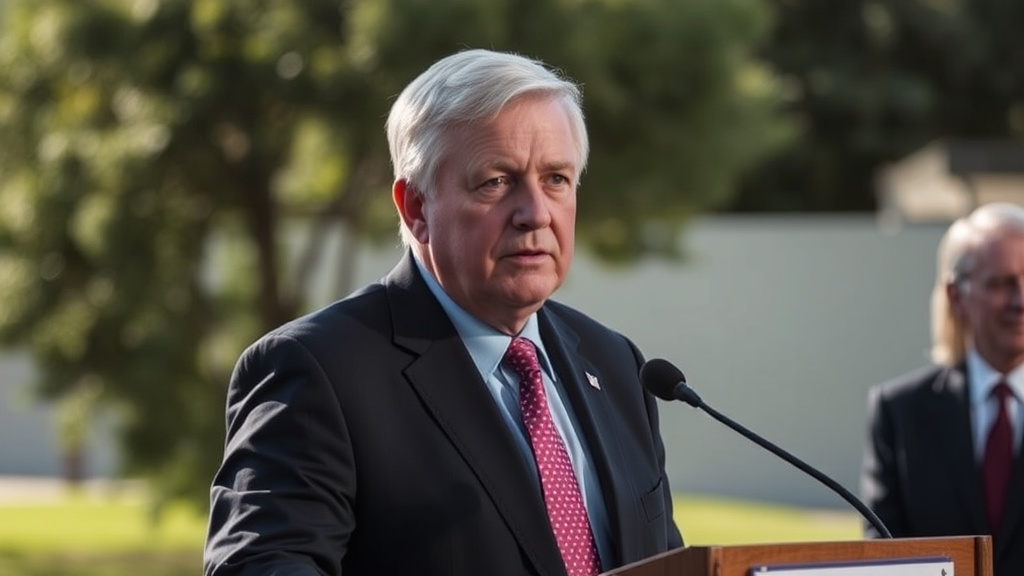
America's Struggle with Polarization: A Call for Better Ideas
America faces increasing political polarization, challenging democracy and unity. Citizens demand better ideas and solutions for pressing issues.
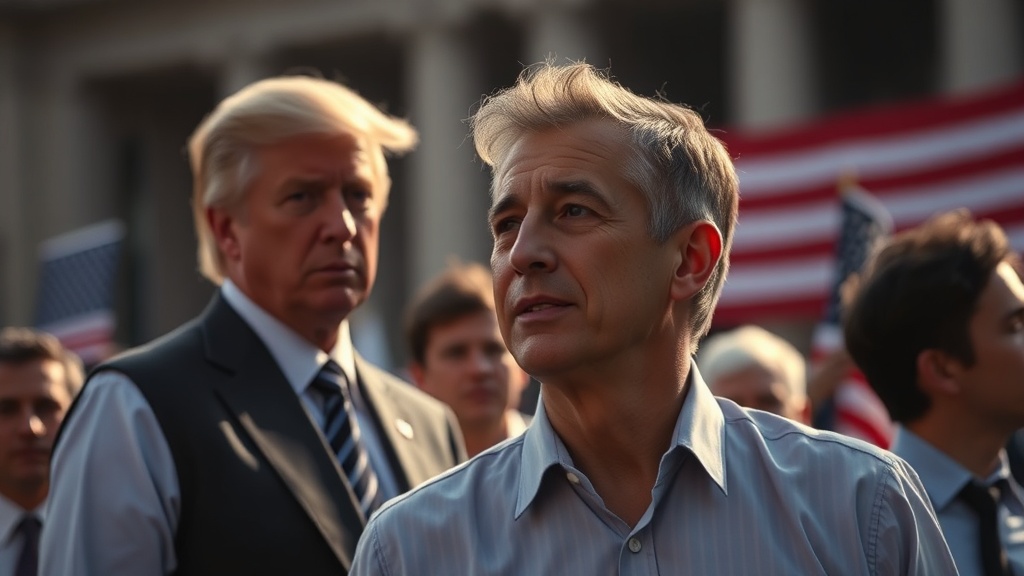
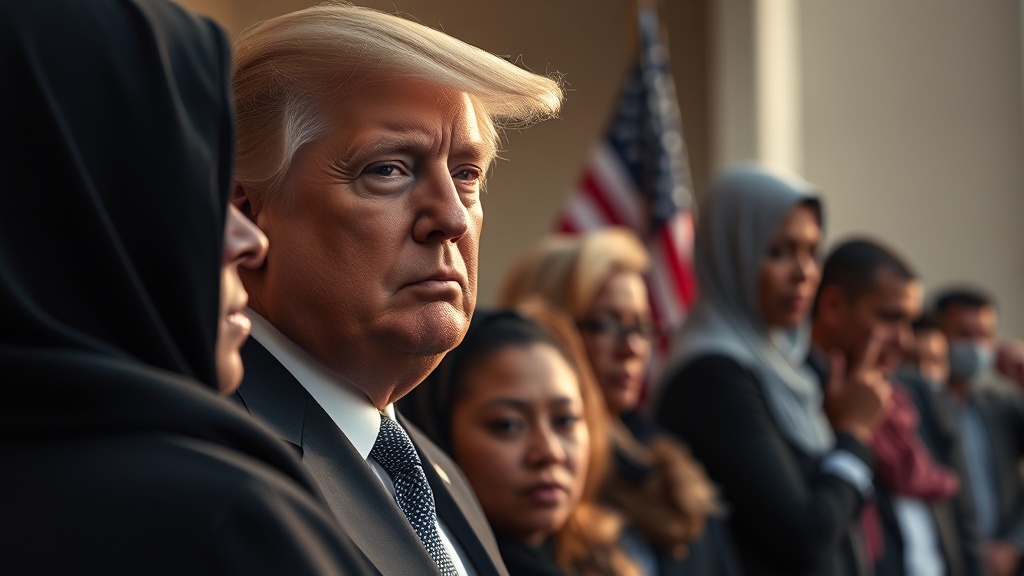
In recent years, the American political landscape has become increasingly polarized, with both parties exhibiting extreme viewpoints that often overshadow moderate voices. The phenomenon, often described as Derangement Syndrome, has left many citizens feeling alienated and frustrated. This polarization extends beyond individual politicians, encapsulating the broader ideological divides within the Republican Party and the Democratic Party alike.
Experts argue that the current state of political discourse in America is not merely a reflection of individual leaders but is indicative of a systemic issue that affects the very fabric of democracy. "The extreme polarization we see is a result of decades of political maneuvering that has pushed both parties further to their ideological extremes," says Dr. Jane Thompson, a political scientist at the University of Utah. "This has created an environment where compromise is seen as weakness rather than a necessary part of governance."
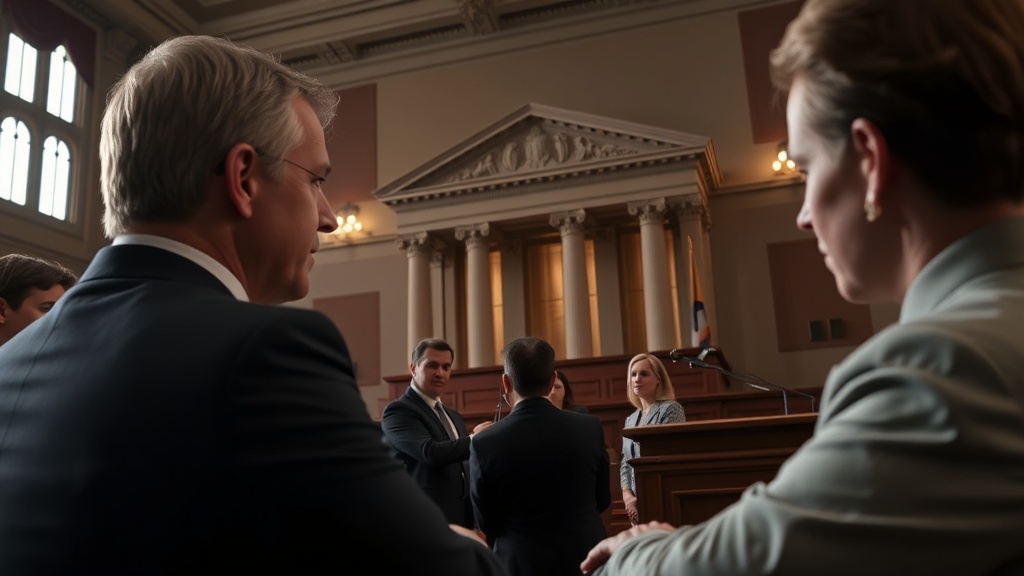
The impact of this polarization can be seen in various facets of American life. From legislative gridlock in Congress to heightened tensions at the state level, the inability to find common ground has stalled progress on crucial issues such as healthcare reform, climate change, and education. For instance, the recent debates over the federal budget have revealed deep divides, with Republicans and Democrats unable to agree on even the most basic fiscal policies, leading to a government shutdown that disrupted services for millions.
Social media has played a significant role in exacerbating these divides. Platforms designed for communication and connection have instead become echo chambers, where like-minded individuals reinforce each other’s beliefs while dismissing opposing viewpoints. A recent study by the Pew Research Center found that 64% of Americans believe that social media has increased political polarization. This environment not only complicates the political landscape but also affects personal relationships, as families and friends find themselves at odds over fundamental beliefs.
In response to this growing divide, various initiatives are emerging across the nation aimed at fostering dialogue and understanding between differing political factions. Organizations like Braver Angels promote civil discourse by bringing together individuals from opposing sides to engage in constructive conversations. These efforts aim to break down the barriers created by extreme partisanship and encourage individuals to view their opponents as fellow citizens rather than adversaries.
Moreover, many citizens are calling for a return to more moderate political ideologies, arguing that the country can do better than the extremes currently dominating the conversation. A recent poll conducted by Gallup found that nearly 60% of Americans identify as moderates, yet their voices are often drowned out by the louder, more polarizing factions within both parties. This disconnect raises critical questions about representation and the future of American democracy.
The implications of this polarization extend beyond elections and political parties; they influence the very governance of the nation. As elected officials become more beholden to their base rather than the general electorate, the likelihood of enacting policies that benefit a broader population diminishes. This trend has profound implications for issues such as healthcare, where bipartisan efforts could yield significant improvements but are stymied by partisan gridlock.
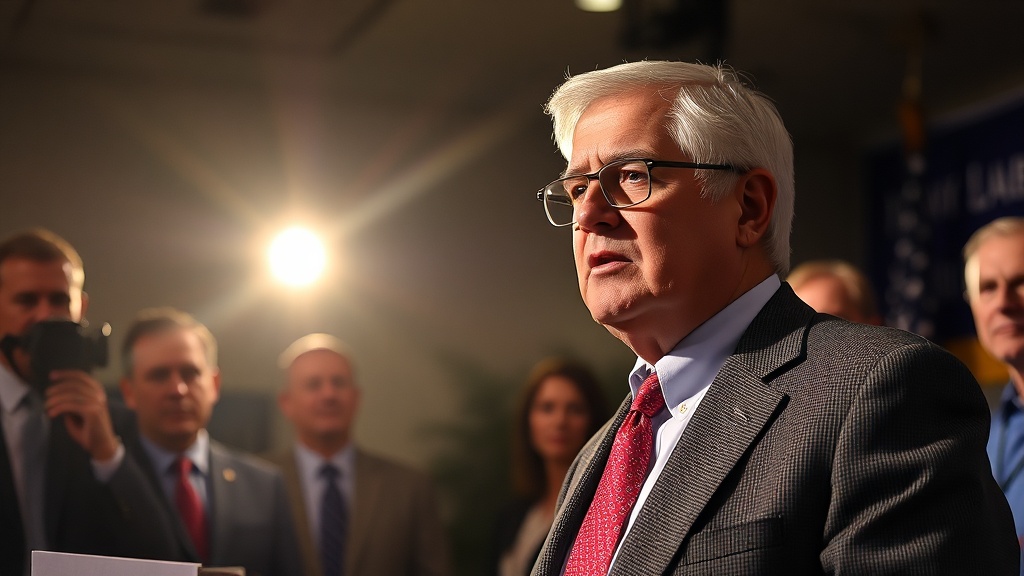
As the 2024 presidential election approaches, the stakes are higher than ever. Candidates from both sides are being called upon to address the growing frustration among voters who feel that their concerns are ignored in favor of extreme partisan agendas. Among the issues facing the electorate are economic inequality, climate change, and healthcare access, all of which require comprehensive solutions that transcend party lines.
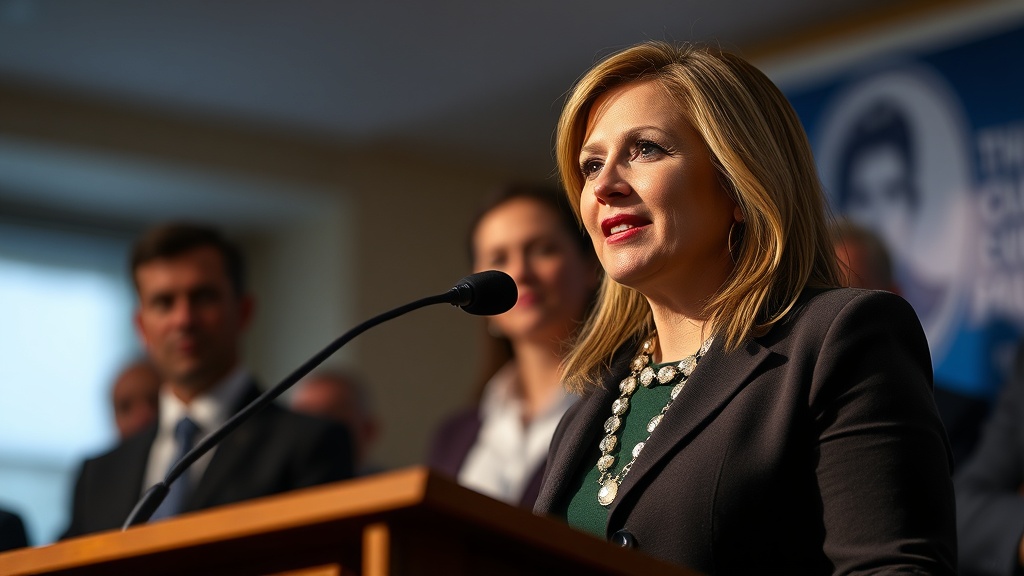
Political analysts suggest that the upcoming election cycle could be a turning point for American politics. As dissatisfaction with the current state of affairs grows, there may be an increased demand for candidates who prioritize unity over division. "Voters are looking for leaders who can articulate a vision that resonates with a diverse electorate and who are not afraid to engage in compromise," notes Dr. Thompson.
In conclusion, America stands at a crossroads where the choices made by its leaders and citizens will significantly impact the nation’s trajectory. The current polarization within the political landscape is a challenge that requires collective action and a commitment to fostering a more inclusive and constructive dialogue. As citizens grapple with the consequences of extreme partisanship, the call for better ideas and a more united approach to governance becomes ever more pressing. The future of American democracy may very well depend on the ability to find common ground and prioritize the collective good over personal or party interests.