Former Congressman Rob Bishop Announces Candidacy for Utah State Legislature
Former Congressman Rob Bishop is running for the Utah State Legislature, aiming to fill the seat of retiring Rep. Matthew Gwynn.
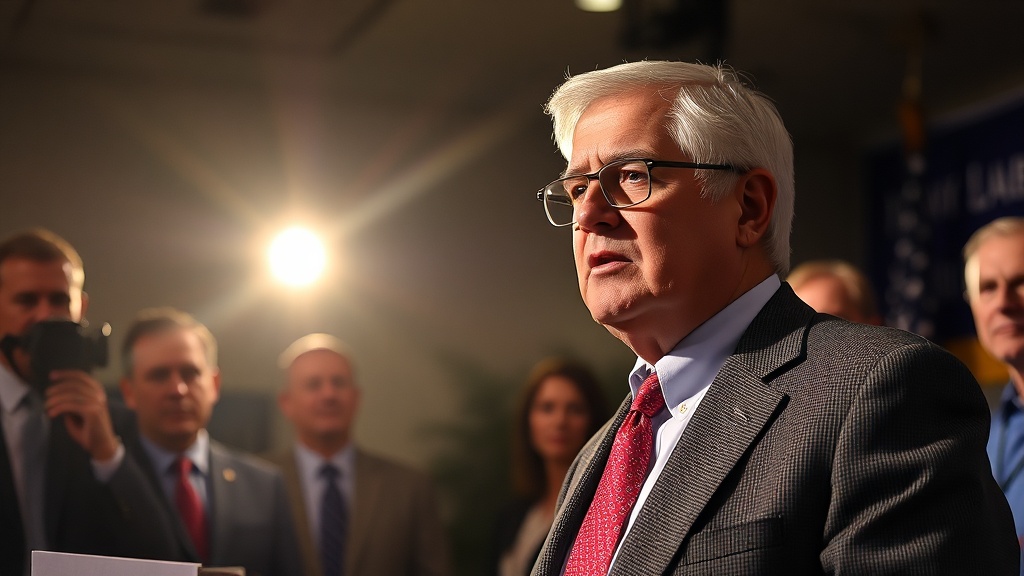
Rob Bishop, a prominent figure in Utah's political landscape and former U.S. Congressman, has officially announced his candidacy for the Utah State Legislature. Bishop aims to fill the seat of outgoing Representative Matthew Gwynn, who is set to retire at the conclusion of the 2026 legislative session. This decision marks a significant return to state politics for Bishop, who served Utah's 1st Congressional District for nearly a decade, from 2003 until 2021.
Bishop, a Republican, was known during his tenure in Congress for his strong advocacy on issues such as public land management, education reform, and military affairs. His experience in Washington, D.C., where he was involved in various committees and initiatives, positions him as a well-informed candidate to address the challenges facing Utah at the state level. In his announcement, Bishop expressed a deep commitment to serving the community and continuing to advocate for conservative values that resonate with many Utahns.
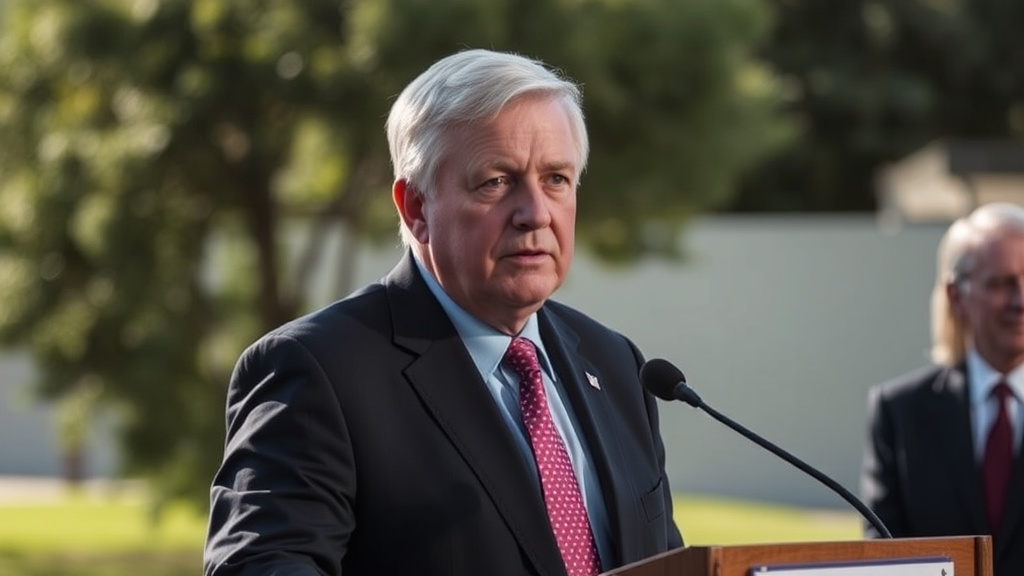
"I believe that my experience in Congress equips me with the tools necessary to navigate the complexities of state governance and effectively represent our community’s interests," Bishop stated during a press conference held in his hometown of Brigham City. He emphasized the need for a collaborative approach in the legislature, where he hopes to foster bipartisan efforts to tackle pressing issues such as education funding and health care accessibility.
Matthew Gwynn, the current representative for the district, has announced his decision to step down, citing personal reasons and the desire to spend more time with his family. Gwynn has served the district since 2016 and has been recognized for his work on local infrastructure projects and community development initiatives. His impending departure leaves a significant vacancy in the legislature, prompting a competitive race for the seat.
Bishop’s return to the political arena is likely to draw attention, given his established name recognition and experience. Political analysts suggest that his candidacy could galvanize support among conservative voters who are eager for strong representation in the state legislature. "Rob has a proven track record and a deep understanding of the issues that matter most to our community," noted local political observer, Sarah Jenkins. "His experience in Congress gives him a unique perspective that could benefit the state significantly."
Bishop's campaign is anticipated to focus on a variety of key issues. Education reform is expected to be at the forefront, with Bishop advocating for increased funding for public schools and a push for innovative educational programs that cater to diverse learning needs. He has previously expressed concern over the state’s education system and the need for improved resources and support for teachers and students alike.
In addition to education, Bishop is expected to address issues related to public health, particularly in the wake of the COVID-19 pandemic, which has highlighted gaps in health care access and services. He has been vocal about the need for state-level solutions that prioritize the well-being of Utah residents while balancing fiscal responsibility.
Bishop's candidacy has already sparked interest among potential challengers. Other local figures are considering a run for the seat, which could lead to a competitive primary election. Political strategists are closely monitoring the situation, as the outcome of this race could set the tone for future elections in Utah, particularly with the growing interest in state politics from both parties.
As the campaign unfolds, Bishop plans to hold town hall meetings and community forums to engage with constituents directly. He aims to listen to the concerns of the residents and incorporate their feedback into his legislative agenda. "I want to ensure that the voices of the people are heard and that their needs are prioritized in the legislature," he asserted.
With only a few years remaining until the next legislative session begins, Bishop's campaign will need to gain momentum quickly. As he embarks on this new chapter in his political career, all eyes will be on how he positions himself against potential rivals and how he articulates his vision for Utah’s future.
The implications of Bishop's candidacy extend beyond his immediate district. His extensive experience in Congress and his established network of supporters may influence other races across the state, particularly as Utah navigates a rapidly changing political landscape. As voters prepare for the upcoming election, the significance of Bishop’s return to state politics will undoubtedly be a focal point in discussions about Utah’s governance and policy direction moving forward.
In conclusion, Rob Bishop's candidacy for the Utah State Legislature signifies not only his personal return to local politics but also reflects the broader dynamics at play within the state's political arena. As he seeks to fill the seat vacated by Gwynn, his campaign will be pivotal in shaping the legislative agenda and addressing the pressing needs of Utah residents in the coming years.