Debate Intensifies Over Proposed Expansion of Utah Supreme Court
Governor Spencer Cox's proposed budget includes a contentious $2.8 million request to expand the Utah Supreme Court, sparking debate over its implications.
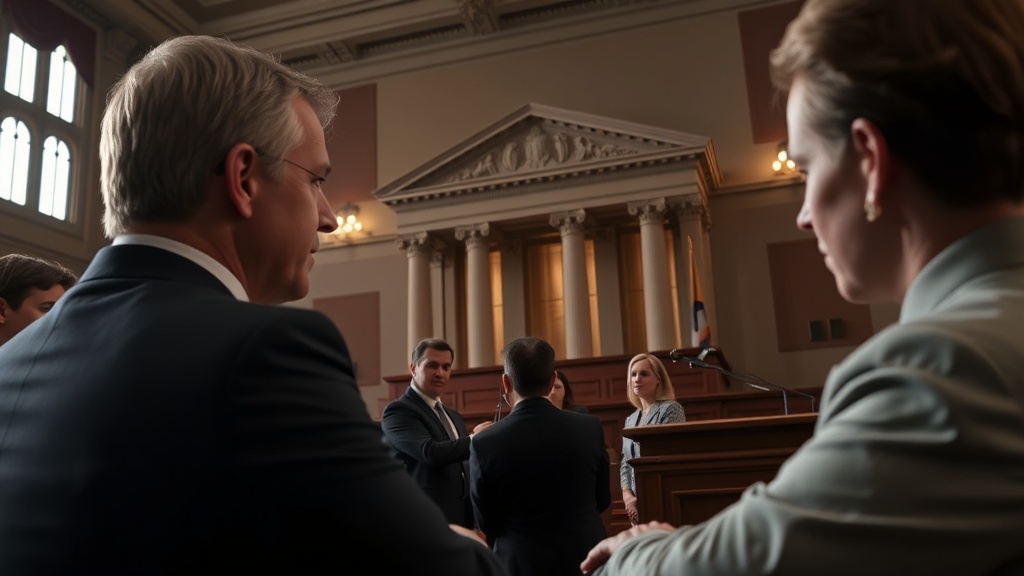
In a significant move that could reshape the judicial landscape of Utah, Governor Spencer Cox has included a $2.8 million budget proposal in his recent budget plan aimed at expanding the Utah Supreme Court. This proposal, tucked away on Page 38 of his financial outline, has sparked a heated debate among lawmakers and constituents regarding its implications for the state's governance and judicial fairness.
Supporters of the proposal argue that an increase in the number of justices on the Utah Supreme Court is long overdue. They contend that as Utah's population continues to grow—currently estimated at over 3.3 million—so too does the demand for judicial resources. A larger court could potentially alleviate case backlogs and improve access to justice for residents. "With our population growth, the demands on our judicial system have never been greater," stated Senator Mike McKell, a proponent of the expansion. "We need to ensure that our courts can handle the complexities of modern society."
On the flip side, critics have raised concerns that this proposal may be a strategic move by the Republican-controlled legislature to solidify their influence over the judicial system. Accusations of a partisan power grab have surfaced, with detractors arguing that expanding the court could allow the GOP to appoint justices who align with their political agenda. House Minority Leader Brian King expressed his skepticism, saying, "This isn’t about improving our judicial system; it’s about political maneuvering."
The budget proposal comes at a time when the Utah Supreme Court has been handling an increasing number of cases. In recent years, the court has faced significant challenges, including a rise in appeals and complex legal matters related to public policy issues such as housing, education, and healthcare. According to court statistics, the number of cases filed has increased by over 20% in the last five years. Advocates for the court's expansion point to these statistics as evidence of a pressing need for additional justices to ensure timely and fair hearings.
The proposal has also drawn attention from various legal organizations and advocacy groups across the state. The Utah State Bar Association has expressed cautious optimism regarding the proposal, emphasizing the importance of maintaining judicial independence and integrity. "While we recognize the need for additional resources, it is crucial that any changes to our judicial structure do not compromise the impartiality of our courts," said Association President Lisa McDonald.
The legislative process for the proposal will involve several steps, including committee reviews and potential amendments. Lawmakers will likely face difficult discussions as they navigate the competing interests of judicial efficiency and political integrity. The proposal’s fate may hinge on public opinion, which remains divided. Recent polls indicate that while a significant percentage of Utah residents support the idea of expanding the court to improve access to justice, many are wary of the motivations behind such a move.
As the debate unfolds, the implications of this proposal extend beyond the immediate judicial system. Many experts warn that the outcome could set a precedent for how Utah’s government handles future expansions of judicial authority. The potential for increased partisanship in the judiciary raises questions about the long-term health of Utah’s democratic institutions. Political analysts caution that if the GOP successfully expands the court, it could lead to a reconfiguration of how justice is administered in the state.
In conclusion, the $2.8 million budget proposal to expand the Utah Supreme Court has ignited a complex debate regarding the balance between judicial efficiency and political power. As Utah continues to grow, the question remains whether the proposed changes will enhance access to justice for its residents or serve as a vehicle for partisan influence. The coming months will be critical as lawmakers, stakeholders, and the public weigh in on this pivotal issue, determining the future of the judiciary in Utah. With both sides presenting compelling arguments, the ultimate decision will reflect not only on the state's judicial system but on the broader principles of governance and democracy that underpin it.