Utah's Record Low Snowpack Raises Concerns for Great Salt Lake's Future
A recent snowpack report reveals alarming declines in Utah's water resources, prompting urgent calls for action to save the Great Salt Lake.
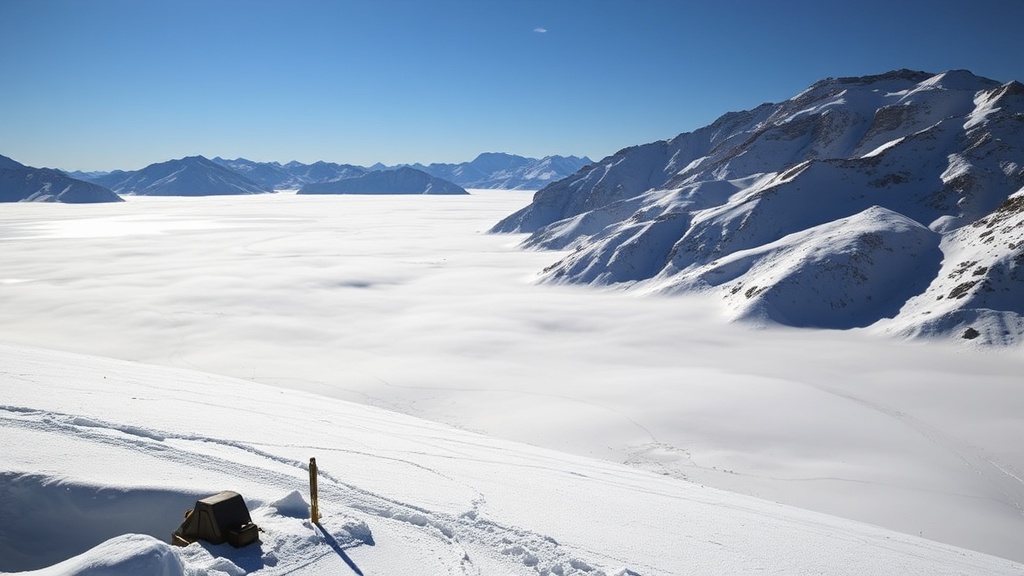
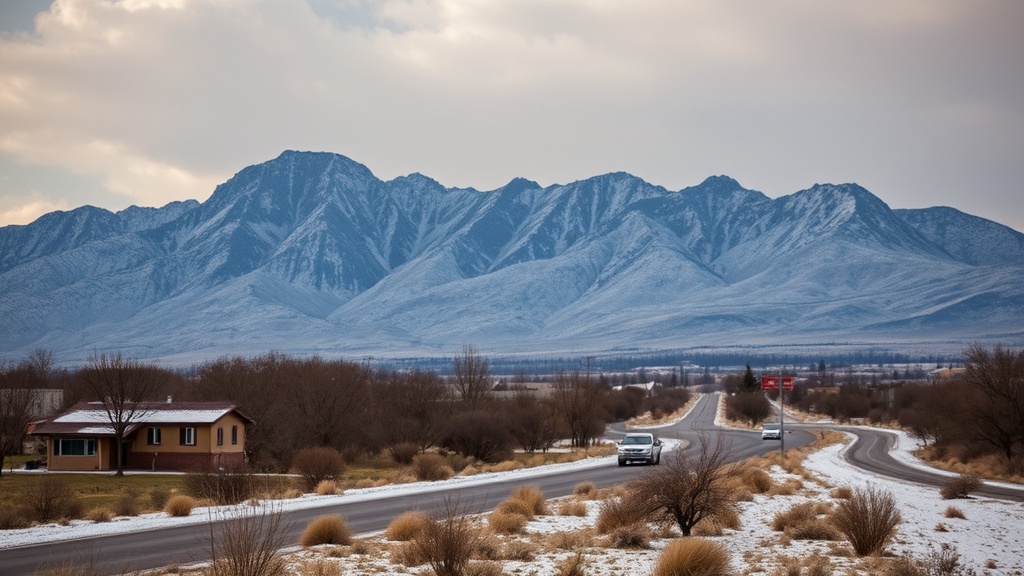
ST. PAUL, Utah — A recent report from the Natural Resources Conservation Service revealing that Utah's snowpack has reached a record low has ignited urgent discussions among state lawmakers and environmental advocates alike. The report, which underscores the dire state of Utah's water resources, has prompted alarm on Capitol Hill, where legislators are grappling with the implications of dwindling snowfall for the Great Salt Lake and its ecosystem.
"We like to be number one in the state of Utah for a lot of things. This isn't one we want to be," remarked House Speaker Mike Schultz, R-Hooper, during a press briefing held on Monday. His comments reflect a growing concern among state officials as they confront the realities of prolonged drought conditions and their adverse effects on water supplies.
In light of the bleak snowpack report, the urgency for legislative action to protect the Great Salt Lake has intensified. Dozens of Utah residents gathered outside the House and Senate chambers on Monday, engaging in citizen lobbying efforts organized by the advocacy group Grow the Flow. Participants voiced their concerns directly to lawmakers about the pressing need for measures aimed at reversing the declining health of the lake.
"I came here because I like snow, and there hasn't been any snow," said Hannah Liddell, a participant in the lobbying event. Her sentiment echoed the frustrations of many who cherish the outdoor lifestyle that Utah’s snowy winters provide.
Among the crowd was Travis Padilla, who shared a personal narrative that further illustrated the local impact of environmental degradation. "I want my kids to be able to grow up here," he told FOX 13 News. "My mom left the state a couple of years ago because of health reasons linked to the inversion and lake dust. She has lung issues and can’t live here anymore. It’s sad she can’t see her grandkids because of health issues stemming from inaction on our environmental crises."
Over the weekend, the call to action was amplified as nearly a thousand people rallied at the Utah Capitol, emphasizing the need for immediate steps to save the Great Salt Lake, which is experiencing severe declines. The alarming snowpack situation only exacerbates fears of toxic dust storms that could arise from the lake's shrinking water levels.
Senate Minority Leader Luz Escamilla, D-Salt Lake City, noted an uptick in constituent inquiries regarding environmental concerns. "We’re seeing an increase in emails just because they’re living it. The fugitive dust from the Great Salt Lake is a real concern, and we need all hands on deck to address this crisis," she stated.
Despite past efforts, including the passage of numerous bills and the allocation of over $1 billion towards water conservation initiatives, lawmakers are facing persistent questions about the availability of water. "Where is the water?" has become a common refrain within the halls of the legislature as officials seek answers to a growing crisis.
Rep. Jill Koford, R-Ogden, who is sponsoring several significant water bills, emphasized the need for innovative solutions. "We’re working on a couple of policies to deliver more water to the lake. With the U.S. Magnesium purchase, we have a lot of water we can dedicate to the lake," she explained. However, she acknowledged the challenges ahead, stating, "We’re in a tough spot. It’s going to be a tough year. It’s going to be all hands on deck."
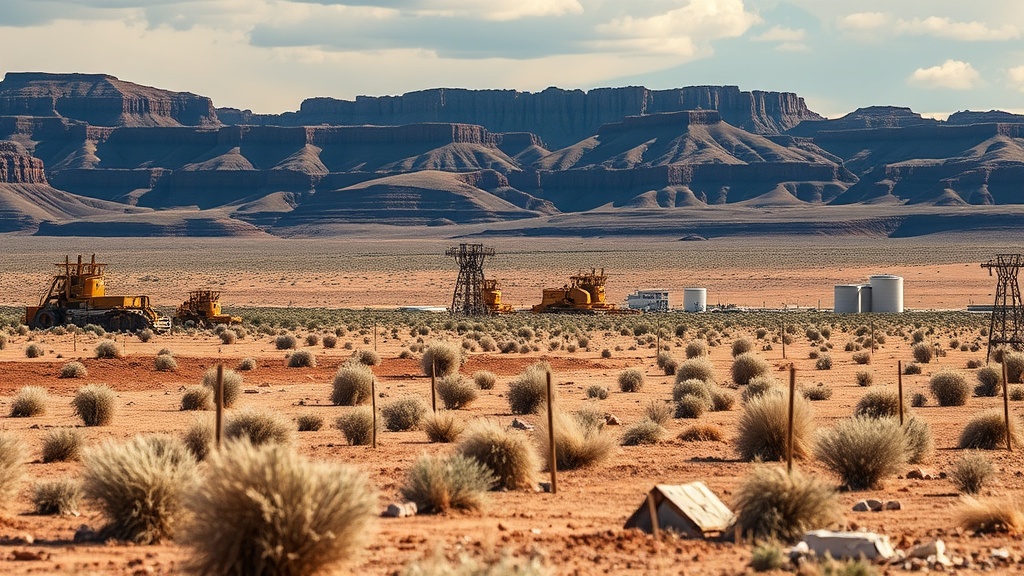
Last week, the legislature acted swiftly to approve a $30 million appropriation for the purchase of U.S. Magnesium’s bankruptcy assets. This mineral extraction company, which operated on the shores of the Great Salt Lake, has been criticized as a top polluter by environmental groups. Utah's Division of Forestry, Fire & State Lands has indicated that it plans to retain most of the water for the lake, marking a pivotal step in efforts to restore its health.
Rep. Hoang Nguyen, D-Salt Lake City, also highlighted the bipartisan nature of ongoing efforts to ensure more water reaches the Great Salt Lake. She expressed her concerns regarding the state’s long-term water outlook, stating, "The long-term forecast does not look good. I see many lawmakers focusing on how we can preserve our water resources."
Sen. Scott Sandall, R-Tremonton, who leads water legislation for the Republican supermajority, reiterated the critical need for enhanced conservation measures. "Conservation must be top of mind moving forward. I believe we will explore every avenue available to us in this regard," he affirmed. He further noted a more spiritual approach to the crisis, suggesting, "I’m going to suggest that the governor is right. We need to pray a lot."
As Utah grapples with its water crisis, the future of the Great Salt Lake hangs in the balance. The ongoing discussions among lawmakers, residents, and experts indicate a growing recognition of the urgency and complexity of the situation. With advocacy efforts gaining momentum and legislative measures being proposed, the hope remains that decisive action can be taken before it is too late.
This article is published through the Great Salt Lake Collaborative, a solutions journalism initiative that partners news, education, and media organizations to inform the public about the challenges facing the Great Salt Lake and potential solutions to preserve it for future generations. For more information and to read additional stories, visit greatsaltlakenews.org.