Utah's Conservation Efforts: New Strategies for the Great Salt Lake
Utah lawmakers emphasize conservation as key in revitalizing the Great Salt Lake, with new strategies planned for 2026.
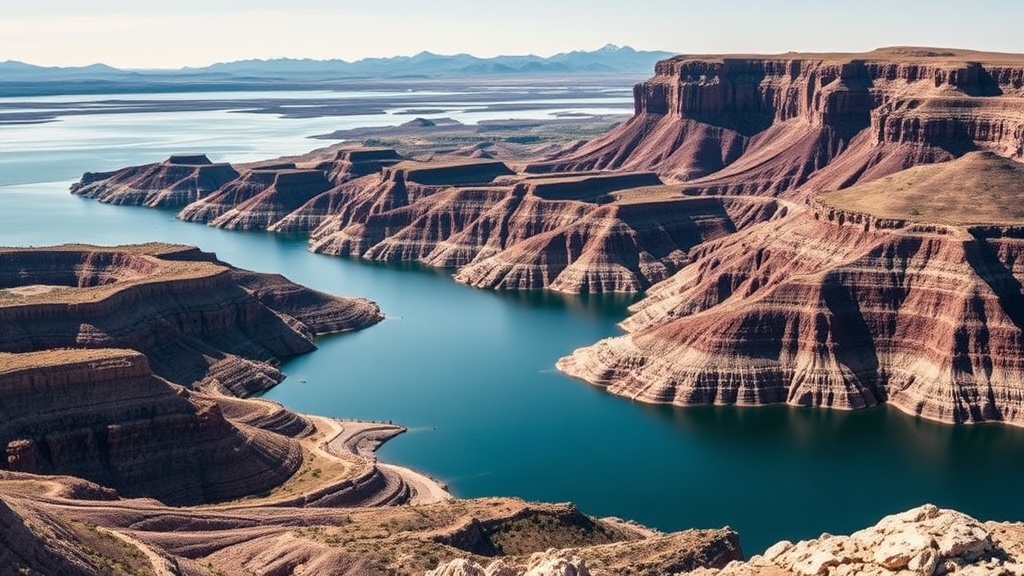
As the state of Utah grapples with ongoing drought conditions and water management challenges, lawmakers have identified conservation as a crucial component in efforts to restore the Great Salt Lake. With the lake's water levels plummeting over the past several years, state officials are looking at innovative strategies to address the environmental crisis while preparing for the next legislative session in 2026.
The Great Salt Lake, once a vibrant ecosystem, has fallen to alarming low levels, threatening wildlife, air quality, and the region's overall climate resilience. A recent report from the Utah Department of Natural Resources highlighted the dire situation, noting that the lake has lost over half of its volume since the 1980s. This decline has raised concerns among environmentalists, scientists, and residents alike, who fear the implications for both the environment and public health.
In response to these concerns, Utah lawmakers are prioritizing water conservation initiatives in their forthcoming legislative agenda. "Conservation is going to be a key component in how we get water to the Great Salt Lake," stated Representative Scott Chew, a member of the state's Natural Resources, Agriculture, and Environment Committee. Chew emphasized that effective water management strategies will be critical to maintaining the lake’s ecosystem and mitigating the negative impacts of its decline.
The state has already embarked on several conservation projects aimed at increasing water efficiency among agricultural users, urban areas, and industrial sectors. For example, Utah's water conservation goals include reducing per capita water use by 25% by 2050 and incentivizing the use of drought-tolerant landscaping. These measures are part of a broader strategy to manage the state's limited water resources more sustainably, especially as climate change exacerbates water scarcity.
Lawmakers are also considering potential legislation aimed specifically at the Great Salt Lake. This may include establishing protected areas around the lake to preserve its delicate ecosystems, investing in infrastructure to capture and redirect water, and enhancing public education campaigns about water conservation. “We have a responsibility to ensure that future generations have access to this vital resource,” said Senator Karen Mayne, who has been at the forefront of water conservation efforts in the state.
Aside from legislative measures, Utah is also collaborating with various stakeholders, including environmental organizations, local governments, and businesses, to foster a community-wide approach to water stewardship. The Great Salt Lake Audubon Society, for instance, has initiated programs aimed at raising awareness about the ecological significance of the lake and the urgent need for conservation efforts. “It’s about creating a culture of conservation,” said the Society’s Executive Director, Sarah Johnson. “Everyone has a role to play.”
The potential economic implications of restoring the Great Salt Lake are significant as well. A healthy lake supports diverse wildlife, boosts tourism, and contributes to local economies through recreational activities such as birdwatching and photography. Conversely, the continued decline of the lake poses risks to air quality, as exposed lakebed can generate harmful dust storms that affect nearby communities. Researchers have linked these dust storms to increased respiratory issues and other health problems among residents.
As Utah prepares for the 2026 legislative session, the focus on conservation is expected to intensify. In addition to water-saving initiatives, lawmakers are contemplating innovative solutions such as recharging aquifers, promoting water recycling systems, and enhancing stormwater management practices. The state’s Water Strategy, a collaborative effort involving multiple agencies and stakeholders, lays the groundwork for long-term planning and sustainable management of water resources.
While the challenges are considerable, the commitment from Utah lawmakers and communities to prioritize conservation efforts reflects a growing recognition of the importance of the Great Salt Lake. The lake is not just an ecological asset; it is an integral part of Utah’s identity, economy, and environmental health. With concerted efforts, there is hope that the state can turn the tide on the lake’s declining water levels and contribute to a sustainable future.
In conclusion, as Utah stands at a critical juncture regarding its water resources, the focus on conservation efforts is not merely a legislative priority but a necessary response to an environmental crisis. By fostering collaboration across various sectors and implementing sustainable practices, Utah has the potential to revitalize the Great Salt Lake and ensure its significance for generations to come. With the next legislative session on the horizon, the state’s approach to managing this vital resource will undoubtedly shape the future of both the lake and its surrounding communities.