Utah Legislation Proposes $200M Match for Great Salt Lake Fundraising Initiative
Utah lawmakers propose a $200M match for fundraising efforts to restore the Great Salt Lake amid environmental crisis.
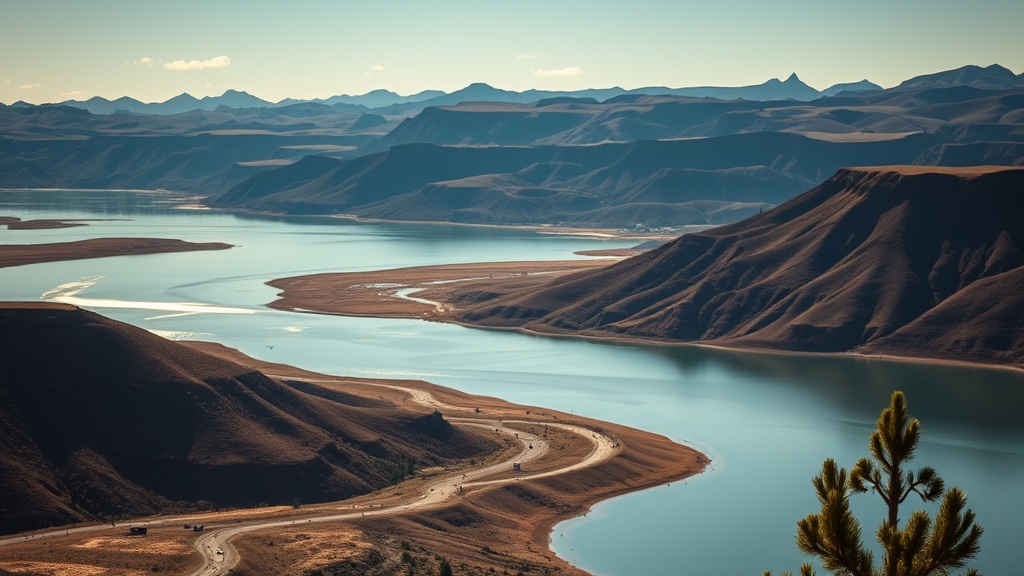
In a bold move to combat the ongoing environmental crisis facing the Great Salt Lake, a new bill has been introduced in the Utah Legislature that seeks to match a philanthropic effort aimed at raising $200 million for initiatives designed to restore and preserve the lake. This legislative initiative comes at a critical time as the Great Salt Lake has been experiencing unprecedented declines in water levels, leading to a myriad of ecological and economic challenges for the region.
The bill, introduced by Representative Stephen Handy, aims to not only contribute financially to the ongoing fundraising efforts but also to galvanize public support and awareness around the pressing issues affecting the Great Salt Lake. "The Great Salt Lake is not just a body of water; it’s an essential part of our ecosystem and economy. By matching this philanthropic effort, we can show that the state is committed to taking action," Handy stated during a press conference announcing the bill.
The Great Salt Lake, the largest saline lake in the Western Hemisphere, has shrunk dramatically over the years due to a combination of factors, including prolonged drought and water diversion for agricultural and urban uses. According to recent studies, the lake's surface area has decreased by approximately 60% since the 1980s, which has had severe implications for local wildlife, air quality, and the economy. As the lake recedes, it exposes toxic dust from the lakebed that can contribute to respiratory issues for nearby residents, creating a public health crisis in addition to the environmental one.
The proposed bill has garnered both support and skepticism from various stakeholders. Environmental groups have lauded the initiative as a necessary step toward addressing the dire state of the lake. "This is a critical moment for the Great Salt Lake, and any effort to restore its health is commendable. Matching this fundraising effort could be a game-changer," said Dr. Jennifer Lee, a biologist with the Utah Division of Wildlife Resources.
However, some state agencies express uncertainty regarding the bill's potential for success. Officials within the Utah Department of Natural Resources have raised concerns about the feasibility of securing the necessary funding and the long-term sustainability of such efforts. "While we appreciate the intent behind the bill, we need to ensure that any financial commitments are backed by a solid plan that addresses the root causes of the lake's decline," stated a representative from the agency, who requested anonymity due to ongoing discussions.
The philanthropic initiative, led by the non-profit organization Save Our Great Salt Lake, aims to leverage donations from private citizens, corporations, and foundations to fund projects that would help restore the lake's health. Projects under consideration include habitat restoration, research on water management, and educational programs aimed at raising awareness about the lake's ecological importance. The organization believes that with a state match, they could significantly increase their fundraising capacity and amplify the impact of their efforts.
In light of the bill, discussions have also emerged about the broader implications for water management practices in Utah. As the state grapples with ongoing drought conditions exacerbated by climate change, the need for a comprehensive water strategy has become increasingly urgent. Experts warn that without immediate action, the Great Salt Lake could continue to decline, leading to further ecological degradation and economic repercussions for the state’s agricultural and tourism sectors.
The potential state match raised by the bill could serve as a catalyst for innovative water management solutions, encouraging collaboration among various stakeholders, including agricultural producers, urban planners, and environmental advocates. "It’s essential that we work together to find a sustainable path forward for our water resources, and this legislative effort could be a critical part of that discussion," noted Sarah Thompson, a water policy expert at the Utah Water Research Lab.
As the bill moves through the legislative process, it will face scrutiny from various committees and stakeholders. A public hearing is scheduled for next month, where community members and experts are encouraged to voice their opinions and suggestions. The outcome of this legislative effort could have lasting implications for the future of the Great Salt Lake and the surrounding ecosystems, making it a focal point of environmental policy discussions in Utah.
In conclusion, the proposed bill to match a $200 million fundraising effort for the Great Salt Lake represents an important step in addressing the environmental challenges facing this vital ecosystem. As stakeholders rally around the issue, the hope is that collective efforts will lead to a sustainable solution that benefits both the lake and the communities that depend on it. The coming months will be crucial in determining the trajectory of this initiative and the future health of the Great Salt Lake.