Utah Faces Unprecedented Low Snowpack Levels This Winter
Utah's snowpack is at an all-time low, threatening water supply and agriculture, with implications for tourism and ecosystems.
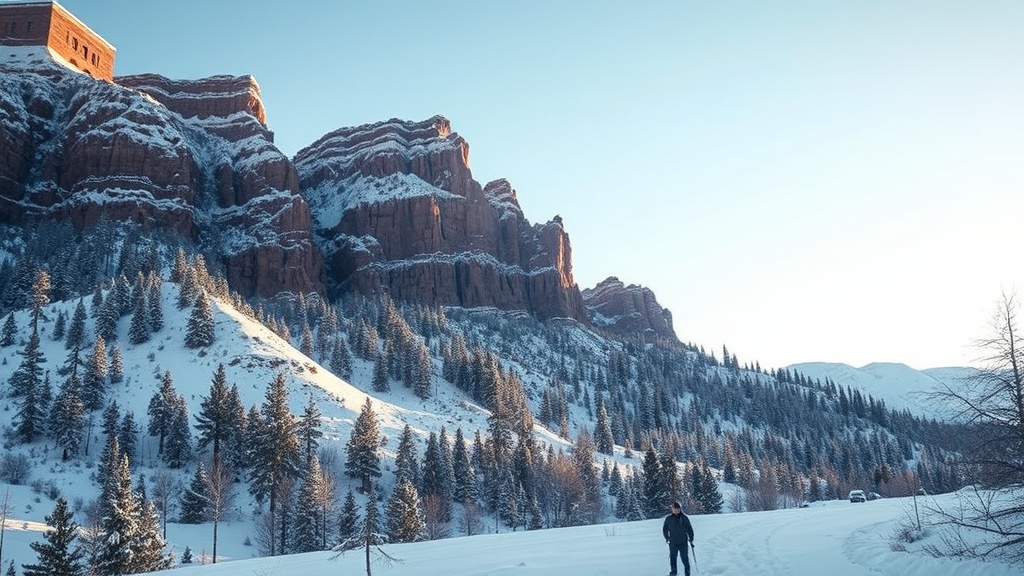
In a concerning development for Utah's water supply and outdoor recreation, state officials have confirmed that the current snowpack levels are the lowest on record. As of mid-January, the statewide snowpack is approximately 35% of the normal levels for this time of year, raising alarms among hydrologists, farmers, and environmentalists alike. This unprecedented situation could have far-reaching implications for water availability in the arid West, especially as the region prepares for the traditionally drier months ahead.
The snowpack, which serves as a critical natural reservoir, accumulates throughout the winter months and melts in the spring and summer, providing essential water for agricultural irrigation and municipal use. Utah’s snowpack is particularly vital, as it feeds into the Colorado River System and other waterways that are crucial for millions of residents across the southwestern United States. The current lack of snow is not just an anomaly; it is part of a concerning trend linked to climate change and shifting weather patterns.
According to the Natural Resources Conservation Service (NRCS), data collected from various snow telemetry (SNOTEL) sites across Utah indicate that the snowpack is at its lowest level since record-keeping began in 1979. While the state typically sees its snowpack peak in late April, early estimates suggest that without significant snowfall in the coming weeks, Utah may face serious water shortages in the summer months.
"We are in uncharted territory, and the implications of this low snowpack are alarming," said Brian McInerney, a hydrologist with the National Weather Service in Salt Lake City. "Water managers and farmers are already bracing for potential shortages, and we may have to make difficult decisions about water allocation as the season progresses."
The lack of snow has been attributed to a combination of factors, including persistent high-pressure systems that have blocked storm systems from reaching the region. Additionally, a mild winter thus far has contributed to lower-than-average precipitation levels. The U.S. Drought Monitor indicates that many areas in Utah are experiencing moderate to severe drought conditions, which have persisted for several years.
Farmers, who rely heavily on snowmelt for irrigation, are particularly affected by this year's snowpack crisis. Many have already begun to alter their planting schedules, with some even considering reduced crop production. "We’re looking at a potential disaster if things don’t turn around quickly, and we may have to scale back our operations significantly," said local farmer Tom Jensen, who has been farming in Utah for over three decades. "We depend on that water to grow our crops, and with these low levels, we are definitely worried."
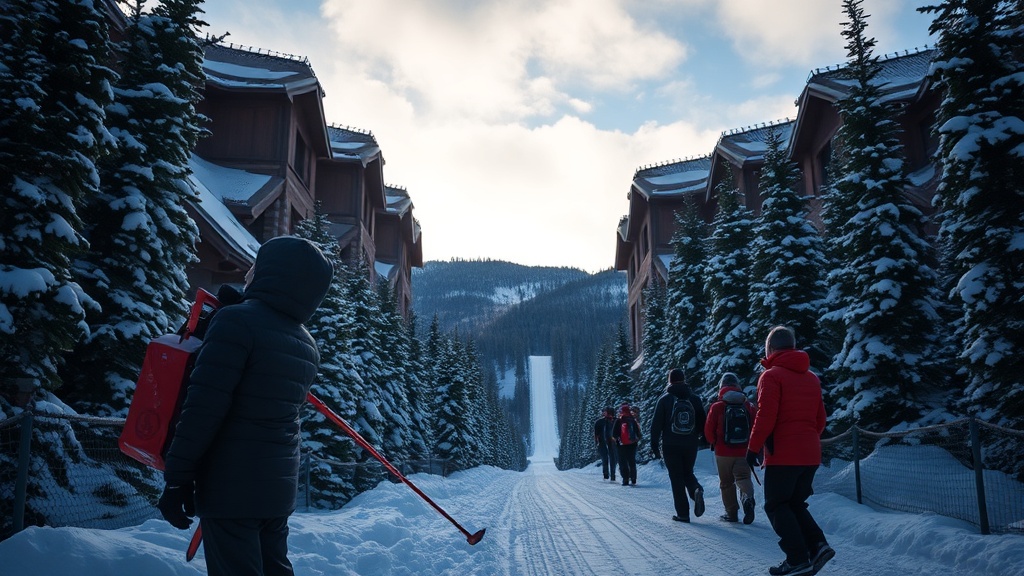
The impact of low snowpack levels extends beyond agriculture; it also poses risks to Utah's tourism industry. Ski resorts across the state are already feeling the pinch, with several reporting declines in visitor numbers. Ski Utah, the state's tourism board for winter sports, has noted that many resorts are struggling to maintain adequate snow coverage on their slopes. "Our season usually thrives on consistent snowfall, but this year has been tough. If the trend continues, we could see a significant drop in visitors, impacting local economies that depend on winter tourism," said Ski Utah spokesperson, Lisa McCarthy.
Environmentalists also express concern over the ecological ramifications of low snowpack levels. The reduction in snow accumulation can lead to increased temperatures and changes in local ecosystems. Wildlife that depends on specific seasonal patterns may find their habitats disrupted, and river systems could face ecological stress due to lower water flows.
As Utah moves forward, state officials are urging residents to prepare for potential water restrictions and to be mindful of their water usage. Water conservation measures are being promoted through state campaigns, and local governments are encouraged to implement drought contingency plans. Governor Spencer Cox has stated that addressing the water crisis will be a top priority for his administration in the coming months.
In conclusion, the unprecedented low snowpack levels across Utah present a critical challenge that impacts not only water supply and agriculture but also the state's economy and environment. As the winter season continues, the hope remains that significant snowfall will alleviate some of these concerns, but the current trajectory suggests that Utah must prepare for a future characterized by increasing water scarcity and environmental challenges. Stakeholders across various sectors are urged to collaborate and seek long-term solutions to address the implications of climate variability and to ensure sustainable water management practices for the years to come.