Utah Faces Record Low Snowpack Levels, Raising Concerns for Water Supply
Utah is facing unprecedented low snowpack levels, raising concerns for water supply and ecological balance across the state.
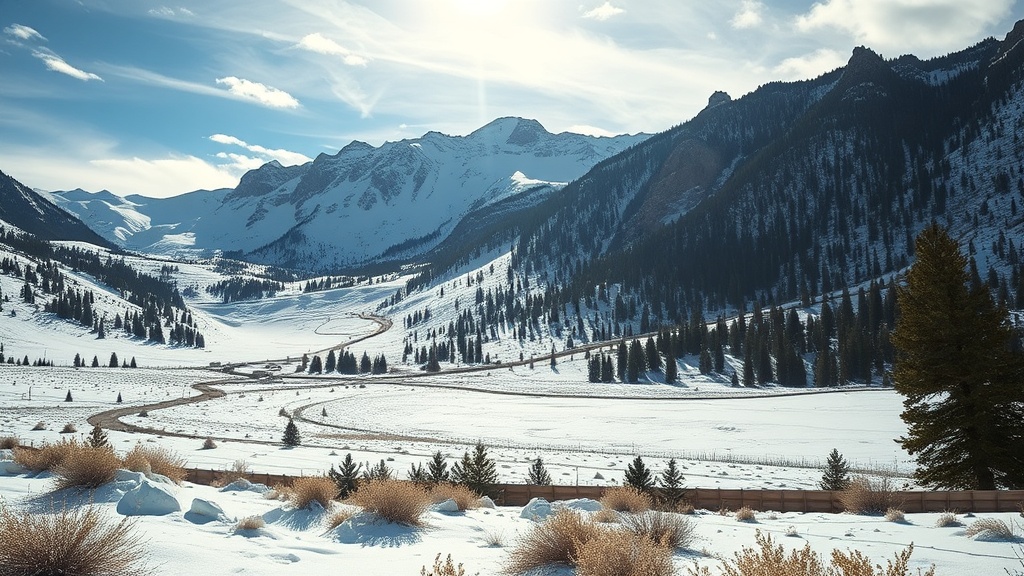
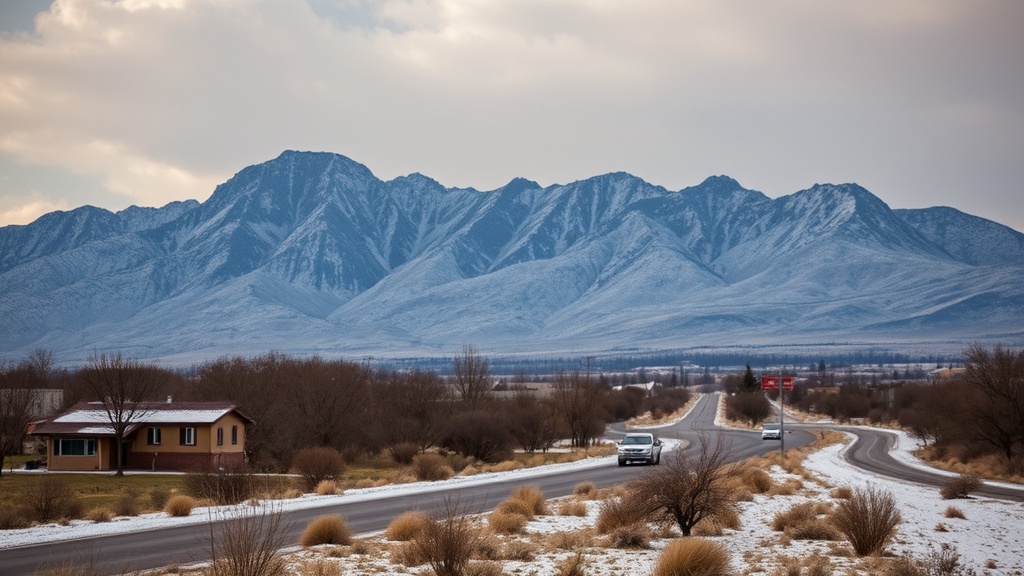
Utah is grappling with an alarming snowpack deficit this winter, as new data reveals that the state has hit record-low snow water equivalent (SWE) levels. A report from the Natural Resources Conservation Service (NRCS), published on January 3, indicates that the statewide SWE stands at a mere average of 5.1 inches. This figure not only reflects a critical shortfall in precipitation but also marks a concerning trend that officials have been monitoring closely.
The snowpack measurements are sourced from SNOTEL (Snow Telemetry) weather stations strategically placed across the Beehive State. These stations are vital for tracking snow accumulation and its implications on water resources. The previous record for SWE on January 31 was slightly higher at 5.2 inches, recorded in prior years. According to the NRCS, Utah's SWE has consistently set new record lows since observations began in 1980, underscoring the severity of the current conditions.
As of the latest report, 31 out of Utah's 140 SNOTEL sites are experiencing record low SWE levels, with an additional 12 sites reporting the second-lowest amounts in history. This troubling data paints a grim picture for the state’s water reservoirs, especially considering that only 31% of the SNOTEL network is either at its worst or second-worst snowpack levels. The implications of this shortfall could be significant, particularly for Utah's major watersheds and agricultural sectors.
The current snowpack situation translates into lower water availability for Utah's four major basins: Weber-Ogden, Provo-Utah Lake-Jordan, Tooele Valley-Vernon Creek, and Lower Sevier, all of which are facing record low SWE. Additionally, six other basins are on the brink of setting new record lows, including the Northeastern Uintas, San Pitch, Price-San Rafael, Dirty Devil, Upper Sevier, and Southeastern Utah. These areas are critical for both ecological balance and human consumption, making the current measurements particularly concerning.
Experts warn that the existing SWE levels are only about one-third of the typical annual peak SWE, suggesting that the state has a long way to go before reaching satisfactory snow accumulation. With only two months remaining in the standard snow accumulation season, the outlook appears increasingly bleak. The snow that accumulates during these months is crucial for replenishing reservoirs, aquifers, and providing water for agricultural irrigation throughout the dry summer months.
Utah's water supply management has become a pressing issue as the region faces prolonged periods of drought. The current snowpack levels serve as a stark reminder of the challenges posed by climate change, which has led to shifting weather patterns and reduced snowfall in many areas. Local water agencies and environmental groups are closely monitoring the situation and preparing for potential water shortages.
In the face of these challenges, state officials and water resource managers are increasingly advocating for water conservation measures and innovative solutions to ensure sustainable water usage. Programs aimed at improving irrigation efficiency, promoting xeriscaping, and enhancing water recycling initiatives are gaining traction as communities look to mitigate the impact of reduced snowpack.
The situation also raises broader concerns about the ecological impacts of diminished snowpack. Snow acts as a natural reservoir, slowly releasing water as it melts, which is essential for maintaining river flows and supporting aquatic ecosystems. The reduction in snowpack not only affects human water usage but also disrupts the delicate balance of local wildlife habitats, stressing the importance of understanding and addressing these environmental challenges.
In conclusion, Utah's record-low snowpack levels present a multifaceted challenge that extends beyond mere statistics. As officials grapple with the implications for water supply and environmental health, the need for comprehensive strategies becomes increasingly urgent. The coming months will be critical in determining how Utah navigates this water crisis and what measures can be implemented to safeguard its vital resources for future generations.