Utah Faces Record Low Snowpack Levels Amidst Winter Concerns
Utah records its lowest snowpack levels in history, raising concerns over future water supply and agriculture.
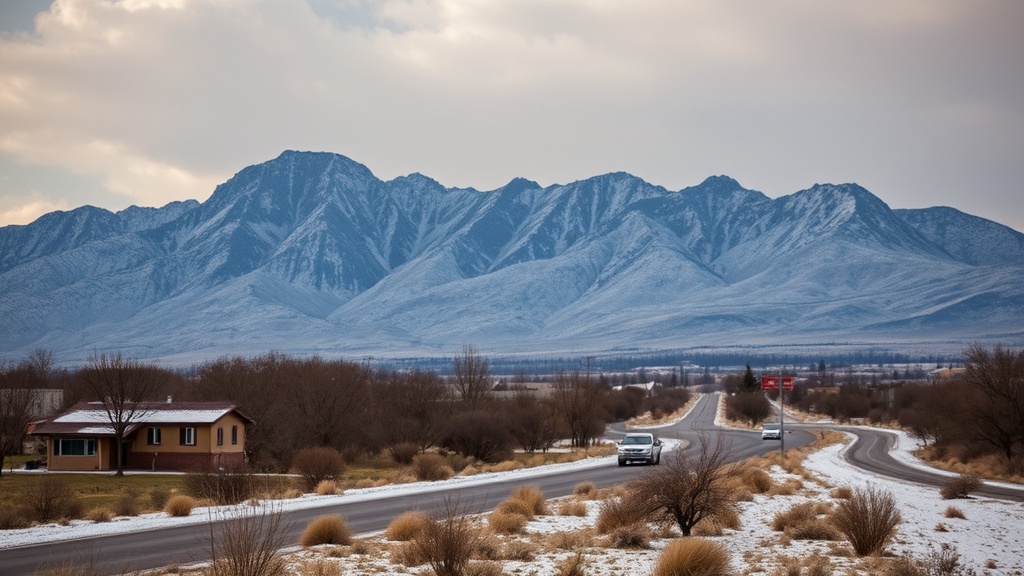
UTAH — As winter progresses, residents of Utah are grappling with an alarming reality: the state has just recorded its lowest snowpack levels in history. On Groundhog Day, Punxsutawney Phil predicted six more weeks of winter, but for many in Utah, winter seems to have barely arrived. The lack of significant snowfall has raised concerns among residents, farmers, and water resource managers alike, as the state enters a critical period for snow accumulation.
According to a report released by the Natural Resources Conservation Service (NRCS), the average statewide snow water equivalent (SWE) was measured at just 5.1 inches as of January 31. This figure marks a new low, dipping slightly below the previous record of 5.2 inches established during the SNOTEL monitoring era, which began in 1980. The lack of snow is particularly concerning as Utah typically relies on winter snowfall to replenish its water supplies for the dry months ahead.
Data from the state’s SNOTEL (Snow Telemetry) monitoring network reveals the severity of the snowpack deficit. As of Saturday, 31 out of Utah's 140 SNOTEL sites reported record low SWE, while an additional 12 sites registered their second-lowest levels. This troubling data indicates that nearly one-third of the state’s snow monitoring sites are experiencing their worst or second-worst snowpack conditions on record.
The implications of this snowpack shortage extend well beyond winter sports enthusiasts and local economies reliant on tourism. Water resource specialists emphasize the importance of snowpack for Utah’s water supply, particularly in Summit County, which sits at the headwaters of the Weber and Provo river systems. The Uinta Mountains, which contribute significantly to the region's water supply, depend heavily on winter snow accumulation. With the current snowpack measuring about one-third of its normal annual peak, concerns are mounting about the potential water shortages that could arise in the coming summer months.
Local farmers are also feeling the pressure. Agricultural experts warn that insufficient snowpack could lead to water restrictions and lower crop yields, impacting the livelihoods of many in the region. Farmers depend on the spring runoff from melting snow to irrigate their fields, and with only about two months left in the typical snow accumulation season, the window for recovery is closing quickly.
NRCS officials have stressed the need for sustained, above-average snowfall to close the significant gap in snowpack levels. "We are in a precarious situation. With only two months left in the snow season, we need a complete turnaround in weather patterns to ensure water availability for the upcoming year," said an NRCS spokesperson.
Compounding these challenges is the impact of climate change, which has led to increasingly erratic weather patterns across the western United States. Utah has experienced a trend of warmer winters, which may further hinder snow accumulation and exacerbate water scarcity issues. The current situation in Utah serves as a stark reminder of the ongoing environmental challenges faced by the state and the need for comprehensive water management strategies.
As residents look toward the upcoming months, the hope for a snowy February and March remains. However, experts caution that the likelihood of significant snowfall occurring in the short timeframe is slim. The state is urged to prepare for potential water shortages, and discussions around long-term water conservation strategies are becoming increasingly urgent.
In conclusion, Utah's record low snowpack levels are more than just a seasonal anomaly; they pose serious implications for the state's water supply, agriculture, and overall environmental health. As winter continues, the urgency for snowfall grows, but the future remains uncertain as residents and officials alike brace for the potential impacts of a dry spring ahead.