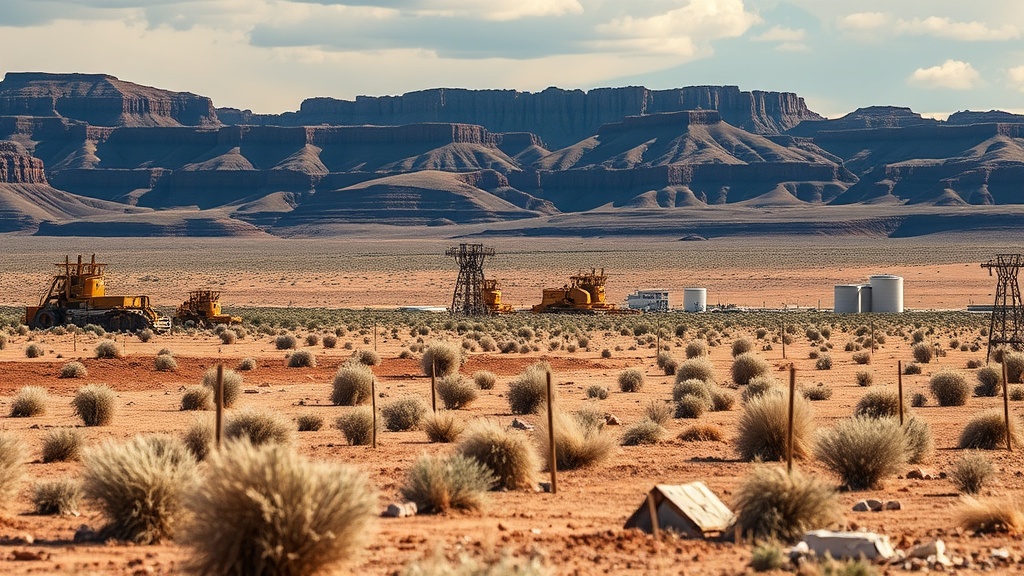
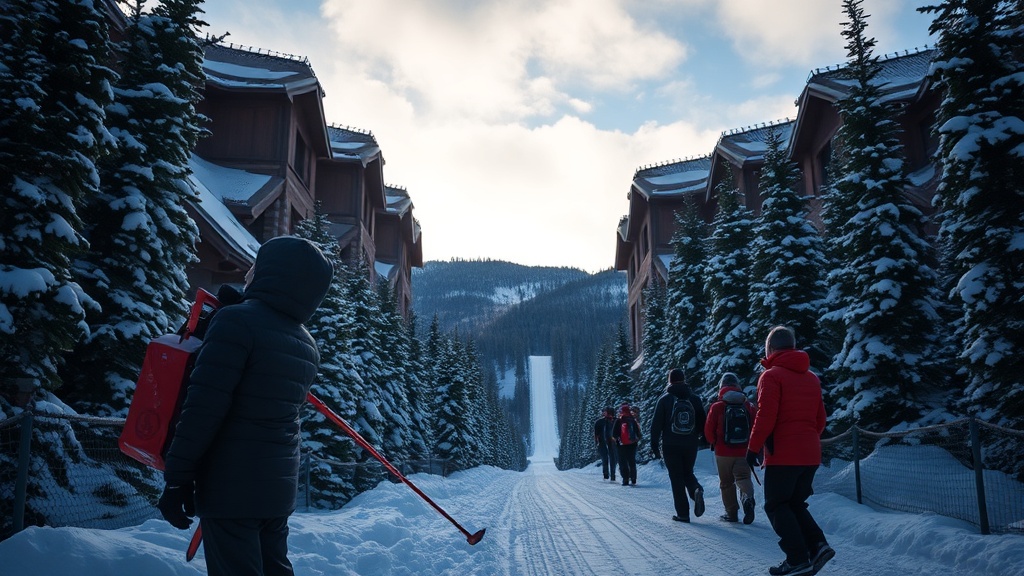
Utah Faces Record Low Snowpack as Winter Draws to a Close
Utah's snowpack has reached record lows, raising concerns about water supply as winter ends. Experts stress the importance of conservation.
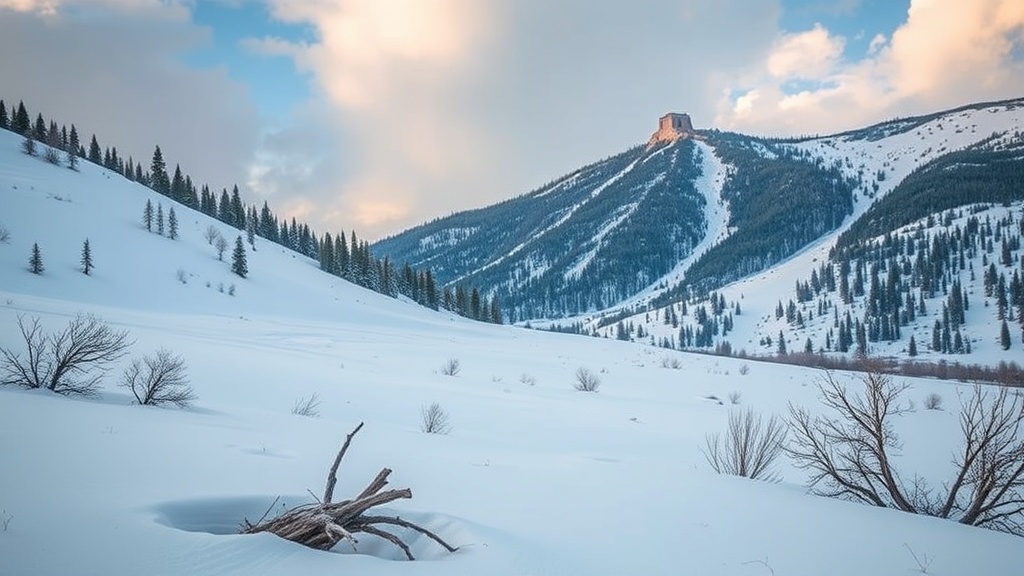
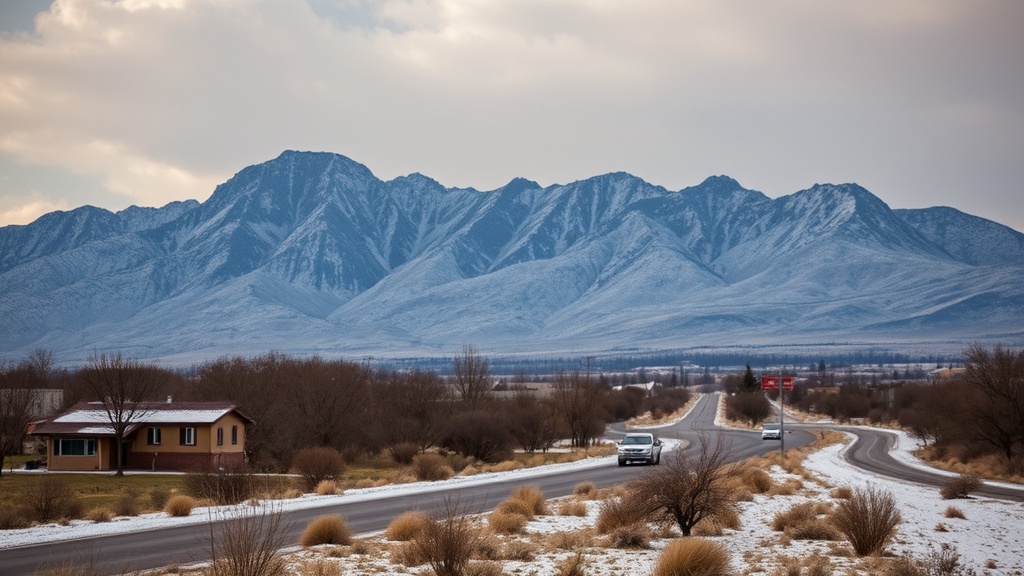
SUMMIT COUNTY, Utah – As winter wanes, the stark landscape of Utah reveals a troubling reality: the state's snowpack has plummeted to unprecedented lows. Recent data from the Utah Snow Survey indicates that the statewide snowpack has reached its lowest level ever recorded for this time of year. By the end of January, the average snow water equivalent dipped below the previous record low, marking the most concerning start to the snow season since the SNOTEL monitoring system was established in 1980.
The implications of this decline are significant, as nearly one-third of Utah's snow-monitoring sites are now reporting their worst or second-worst snowpack levels on record. Major river basins, including the Weber-Ogden and Provo-Utah Lake regions, have already recorded new lows for late January, raising alarms about water availability in the months ahead.
Jordan Clayton, the supervisor of the NRCS Utah Snow Survey, expressed deep concern over the snowpack deficit. "We only have about one-third of the water content in our snowpack that we would see at a typical peak," Clayton said. "In other words, we need to make up about two-thirds of our winter in about two months."
This year, the snowpack's growth has stalled significantly. Typically, snow accumulation builds steadily through February and March, but the current trajectory shows a flattening curve, exacerbating the disparity between current conditions and historical averages. Clayton noted that the chances of recovering toward normal snowpack levels in the coming weeks are slim, estimating them at about 20 percent or lower.
The bleak forecast has forced water managers to reassess their strategies for the upcoming spring and summer months. Along the Wasatch Front, reservoirs are currently operating at approximately 10 percent below normal levels for this time of year. Concerns over spring runoff are also mounting, as expectations continue to diminish.
Shazelle Terry, the chief operating officer for the Jordan Valley Water Conservancy District, highlighted the gravity of the situation. "We are in dire straits in terms of snowpack, and the reservoirs are about 10 percent lower than they typically are this time of year," she explained. "For the Provo River basin, we are probably looking at 70 to 75 percent runoff."
The implications of a lower-than-expected snowpack are multifaceted. With a hot, dry spring on the horizon, water demand could increase rapidly, complicating water management efforts. Conversely, a gradual warming trend could help ease some pressure on the water supply. However, the prevailing message from water officials remains centered on conservation without instigating panic.
"We’ve had a couple of normal years, and it seemed OK, and then all of a sudden, everyone’s thinking about it again," Terry remarked. "Our message is to be thinking about it as much as is reasonable all the time. We live or die by our snowpack and reservoirs."
As Utah approaches the typical end of the snow season in just two months, every storm is crucial. The state is facing an uphill battle with a record-low snowpack to start the spring season, leaving little room for error. Experts continue to stress the importance of water conservation, urging residents to delay outdoor watering as temperatures rise.
The repercussions of this snowpack deficit extend beyond immediate water supply concerns. If the situation does not improve, it could lead to strained water resources for agricultural needs, recreation, and municipal use during the warmer months. Additionally, the health of Utah's ecosystems may also be at risk, as many plants and animals depend on adequate snowmelt for survival.
In summary, Utah's current snowpack crisis highlights the fragility of the state's water resources and the urgent need for thoughtful management as it heads into the spring months. Stakeholders across various sectors must remain vigilant, adapting their strategies to mitigate the impact of this record low snowpack. As the state prepares for a potentially challenging summer, the call for water conservation becomes increasingly critical, emphasizing the importance of every drop in the face of uncertainty.