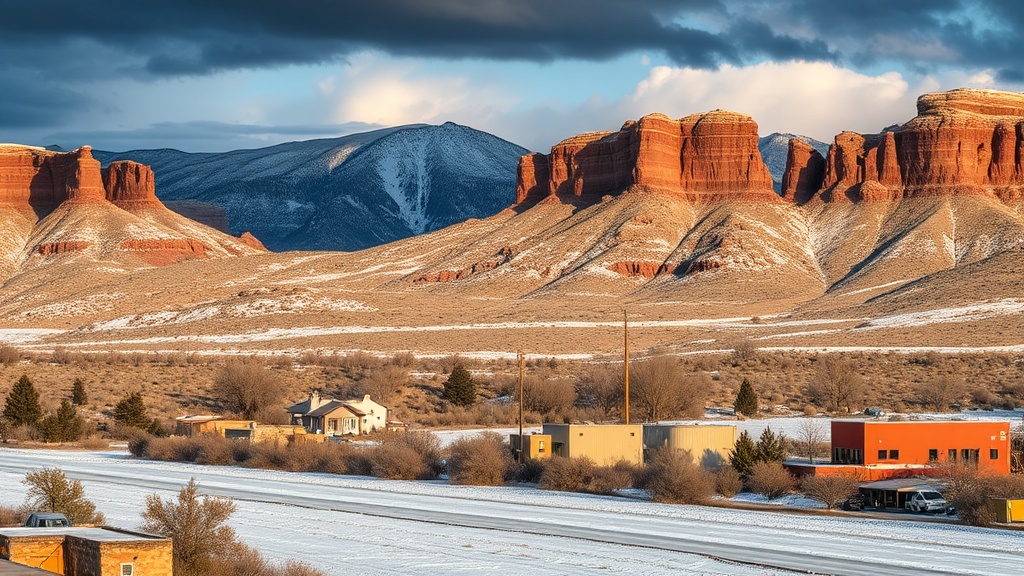
Utah and Federal Government Collaborate on New National Forest Management Deal
Utah and the U.S. Forest Service have signed a deal to manage over 8 million acres of national forests, enhancing local control and timber production.
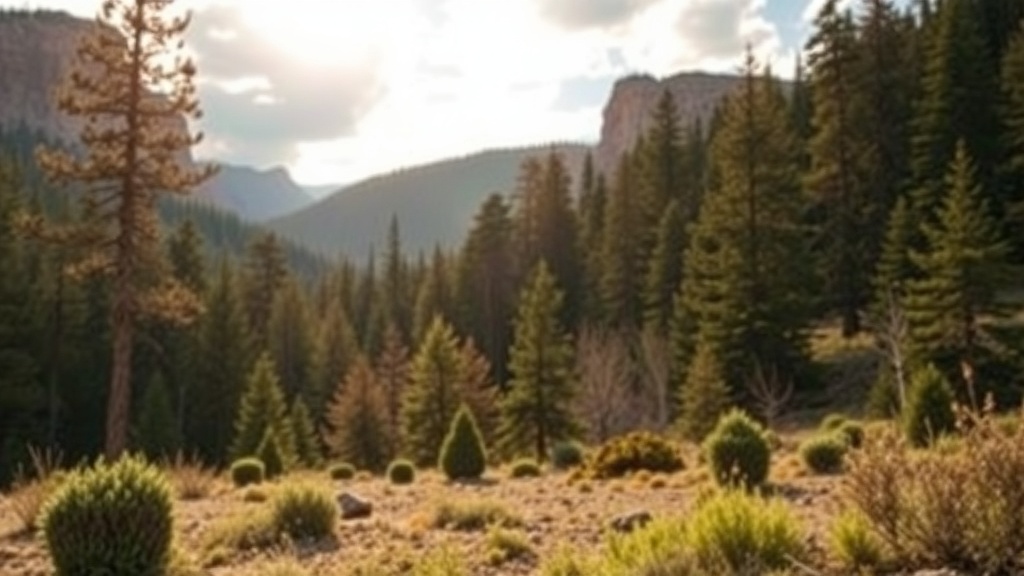
In a significant development for the management of national forests in Utah, Governor Spencer Cox signed a landmark agreement on Thursday with the U.S. Forest Service, granting the state a more prominent role in overseeing more than 8 million acres of national forest land. This collaboration aligns with broader national policies aimed at increasing timber production while addressing local forest management needs. The agreement was celebrated by state officials as a pathway to enhanced stewardship of Utah's natural resources, emphasizing the importance of local input in federal land management decisions.
The agreement, referred to as a Good Neighbor Authority (GNA) agreement, allows Utah to engage in forest management activities that were previously under the sole jurisdiction of the federal government. Under the terms of the deal, the state will have the authority to implement forest restoration projects, including timber harvesting, prescribed burns, and other ecological management practices. Governor Cox highlighted the significance of this partnership, stating, "This agreement not only empowers our state to take charge of our resources but also ensures that we can manage our forests in a way that meets both local needs and environmental goals."
One of the key objectives of this agreement is to boost timber production in national forests, a goal that gained traction during the Trump Administration. The emphasis on timber harvesting is intended to reduce the risk of catastrophic wildfires by thinning dense forest areas and promoting healthier ecosystems. Officials believe that proactive management can mitigate fire hazards while simultaneously supporting local economies dependent on the timber industry. The U.S. Forest Service has faced criticism in the past for its slow response to forest management, and this new agreement aims to rectify that by fostering collaborative efforts.
Utah's approach to forest management has been shaped by the unique challenges it faces, including prolonged drought conditions, invasive species, and the increasing threat of wildfires. State officials have noted that these challenges necessitate a more agile and locally informed management strategy. As part of the GNA agreement, Utah will work closely with federal agencies to develop specific management plans tailored to the distinct ecological and economic conditions of the state’s forests.
The collaboration is expected to yield several immediate benefits for Utah residents. For one, it will create job opportunities in forestry and related sectors, as increased timber production may lead to the establishment of new businesses and the expansion of existing ones. Additionally, the state anticipates that healthier forests will enhance recreational opportunities for residents and tourists alike, promoting outdoor activities that are vital to Utah's economy.
Environmental advocates have expressed cautious optimism regarding the agreement. While many support increased collaboration between state and federal entities, there are concerns about the potential impacts of increased timber harvesting on sensitive ecosystems. Groups such as the Sierra Club have called for strict oversight to ensure that ecological integrity is maintained while pursuing timber production goals. "We need to ensure that this partnership does not come at the expense of our natural heritage," said a representative from the organization. "Sustainable management practices must be at the forefront of any timber production initiatives."
The signing of this agreement comes at a time when forest management practices are under scrutiny nationwide, particularly in light of the devastating wildfires that have plagued the West in recent years. The Biden Administration has also signaled its intent to prioritize forest management, albeit with a greater emphasis on climate resilience and environmental protection compared to its predecessor. This agreement between Utah and the U.S. Forest Service represents a significant step forward in finding a middle ground between timber production and sustainable forest management.
As the implementation of the agreement unfolds, state officials will be tasked with navigating the complexities of forest management, balancing economic needs with environmental stewardship. The Utah Division of Forestry, Fire, and State Lands will play a pivotal role in coordinating efforts alongside the U.S. Forest Service, ensuring that both parties work toward shared goals of sustainability and forest health.
In conclusion, the signing of the GNA agreement marks a pivotal moment for Utah's approach to forest management, promising a more collaborative and proactive strategy that addresses both local needs and national priorities. As the state embarks on this new chapter in forest stewardship, the implications of this partnership will be closely watched by stakeholders across the state and beyond. With a renewed focus on timber production, ecological restoration, and community engagement, Utah aims to set a benchmark for effective forest management practices in the 21st century.