Rocky Mountain Snowpack Hits Lowest Levels in 25 Years: Impacts on Colorado River
Rocky Mountain snowpack is at its lowest in 25 years, threatening the Colorado River's water supply for millions and raising concerns over agriculture and ecosystems.
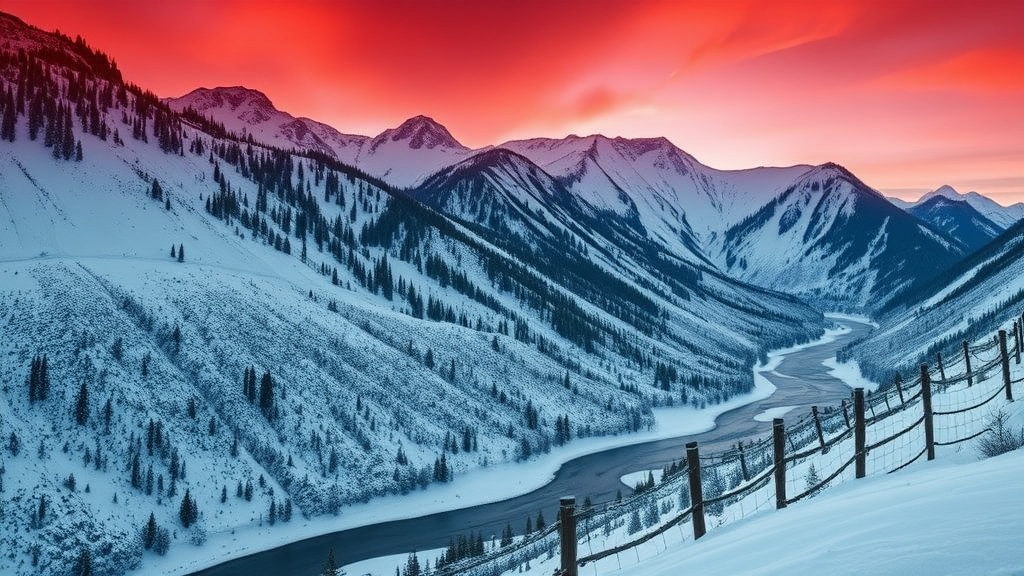
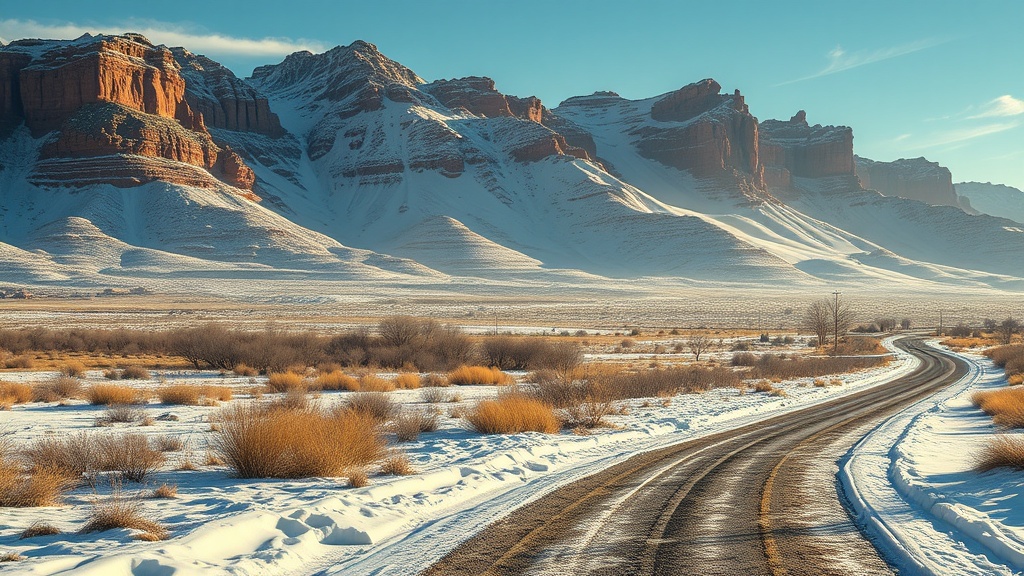
As winter progresses, the snowpack in the Rocky Mountains—critical for replenishing the Colorado River—has recorded its worst start in 25 years. This alarming trend raises significant concerns for the water supply of 40 million people across several states, including Colorado, Utah, Arizona, and Nevada, as well as impacting agriculture and ecosystems reliant on this vital resource.
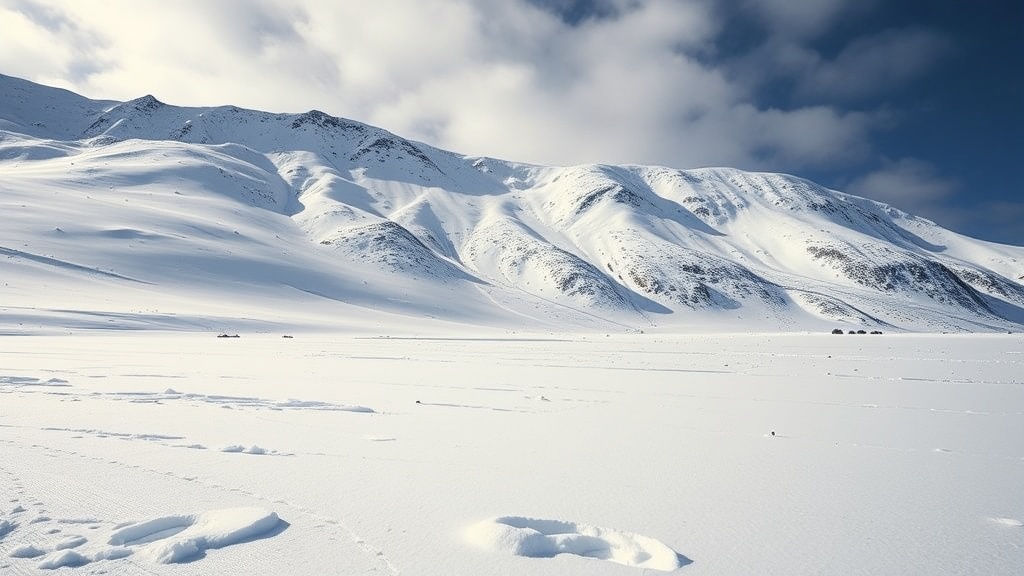
Early snowpack measurements in December reveal that the accumulation of snow in the mountains that feed the Colorado River is significantly below average. According to the U.S. Natural Resources Conservation Service, the snowpack levels in the Colorado River Basin are currently at only 66% of the average for this time of year. This marks a stark contrast to the previous winter, where the snowpack was well above average, leading to optimistic forecasts for water supply. Experts are now warning that if this trend continues, it could have dire consequences for the river's flow and the reservoirs it sustains, particularly Lake Powell, which is already at historically low levels.
The Colorado River supplies water to approximately 40 million people and supports an estimated $5 billion agricultural industry. With persistent drought conditions and increased demand due to population growth, water scarcity has become an ongoing challenge in the region. Scientists and water managers are closely monitoring snowpack levels as they serve as a key indicator of the water supply for the upcoming spring and summer months.
"Snowpack acts as a natural reservoir, storing water that melts and flows into rivers and reservoirs during warmer months," explains Brian Domonkos, a snow survey supervisor for the Natural Resources Conservation Service. "A below-average snowpack means less water flowing into the Colorado River when we need it most."
The implications of a poor snowpack start extend beyond immediate water supply concerns. The Colorado River is not only a lifeline for urban areas but also supports agriculture in the region, where crops such as alfalfa, corn, and vegetables rely heavily on irrigation. This year, farmers may face the prospect of reduced water allocations, which could lead to lower crop yields and increased prices for consumers.
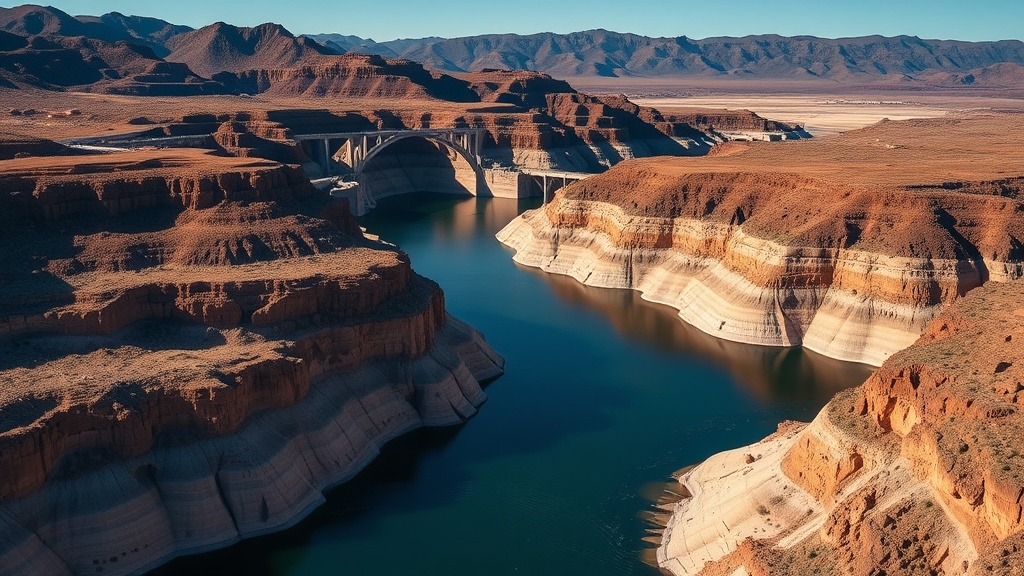
Lake Powell, one of the largest reservoirs in the United States, is particularly vulnerable to these changing conditions. As of late December, the reservoir's water level sits at about 24% of its capacity, a situation attributed to prolonged drought and over-extraction of water. The Bureau of Reclamation has warned that if snowpack levels do not improve, they will need to implement further water use restrictions and conservation measures to protect the dwindling water supply.
Environmental impacts also loom large. The ecosystems that depend on the flow of the Colorado River are at risk as lower water levels can alter habitats, affecting fish populations and wildlife. Additionally, reduced water flow can lead to increased water temperatures, further stressing aquatic life.
In light of these challenges, state officials and water managers are urging residents to adopt conservation measures now, emphasizing the importance of saving water in every household and business. "We need to be proactive about our water use," states Jennifer Gimbel, a senior water policy advisor. "Every drop counts, and we must prioritize conservation to ensure we have enough water to meet our needs in the coming months and years."
Looking ahead, the weather forecast does not offer much hope of significant snowfall in the immediate future. While winter storms could still bring much-needed precipitation, experts caution that the current snowpack deficit could be challenging to overcome. As such, stakeholders across the region are bracing for a potentially dry spring and summer, which would exacerbate existing water supply issues.
In conclusion, the alarming start to the Rocky Mountain snowpack this winter is a stark reminder of the ongoing challenges facing the Colorado River and its users. With millions of people relying on its waters for drinking, agriculture, and recreation, the significance of snowpack levels cannot be overstated. As the region grapples with climate change, population growth, and the persistent threat of drought, the need for sustainable water management practices has never been more urgent. Stakeholders must collaborate to develop strategies that can mitigate the effects of low snowpack and ensure a stable and reliable water supply for the future.