Unusual Snowpack Season in Utah: Recent Storms Improve Conditions but Challenges Ahead
Utah's snowpack has improved with recent storms, but returning inversions may hinder future snowfall, posing challenges for water resources.
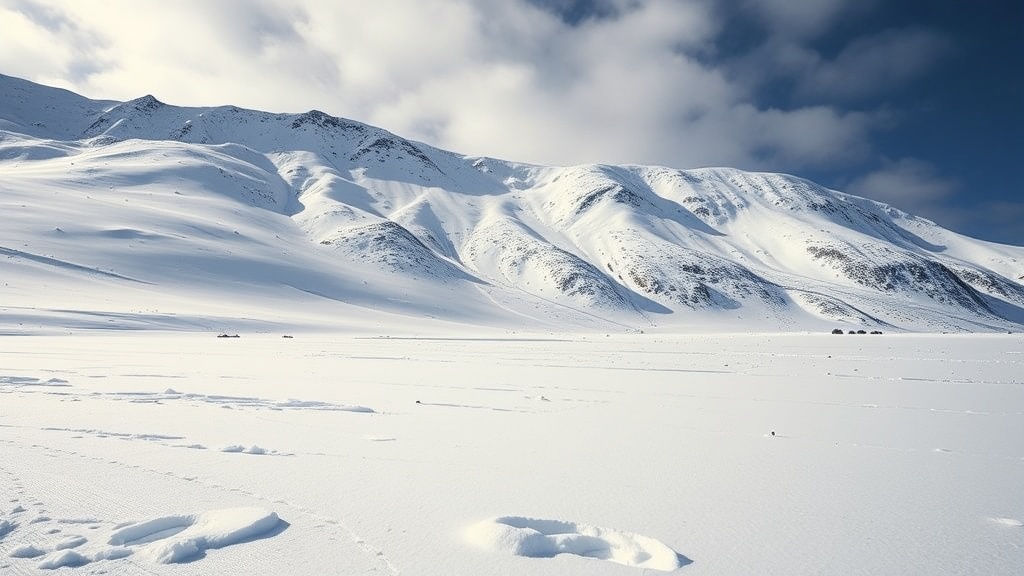
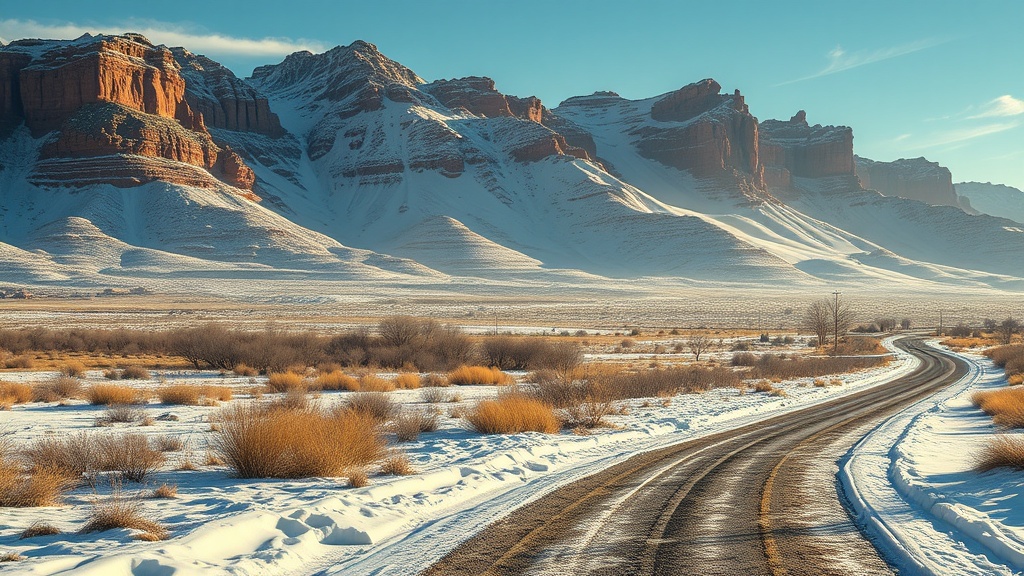
Utah's snowpack season has experienced unexpected fluctuations this year, with recent storms bringing much-needed moisture to the region. As of this week, the state's snowpack levels have moved closer to their seasonal averages, thanks to a series of winter storms that have moved through, delivering significant snowfall across the mountains. However, meteorologists are cautioning that a return to inversion conditions could stall further snow accumulation, presenting challenges for water resources and recreation as the winter progresses.
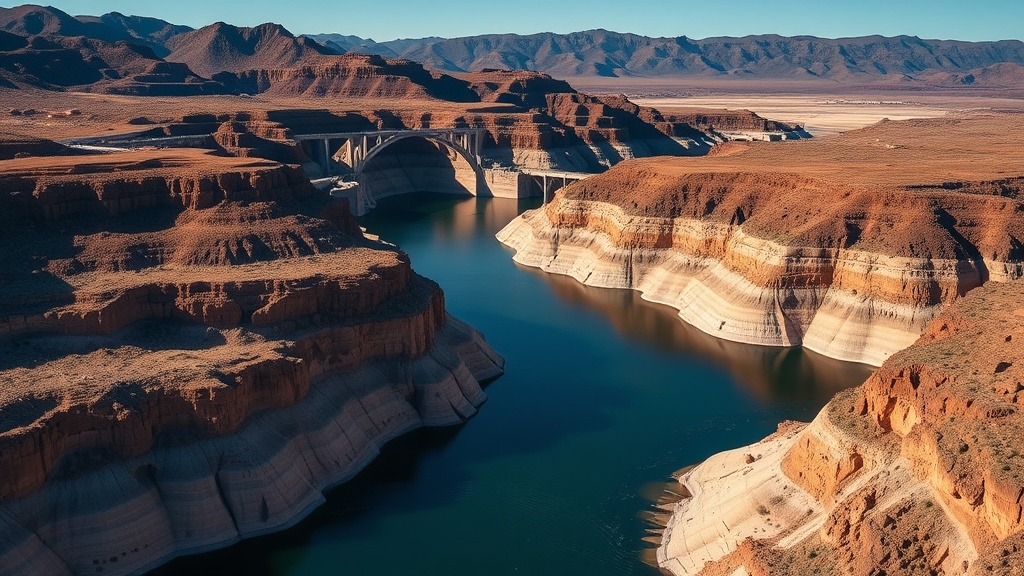
The Utah Department of Natural Resources reported that the snowpack statewide is currently at approximately 85% of normal for this time of year, a noticeable improvement from earlier in the season when levels dipped to as low as 60%. The snowpack is critical for the state, as it serves as a vital water source, replenishing reservoirs during the dry months and supporting agriculture, industry, and urban use.
"This week's storms were a welcome development for our snowpack levels, particularly in the central and northern mountains, where some areas received over a foot of fresh snow," said Brian McInerney, a hydrologist with the National Weather Service. "However, we are anticipating a return to dry conditions as a high-pressure system sets in, which could lead to inversions that trap air pollution and limit snowfall."
Inversions are a common phenomenon in Utah, particularly during the winter months. They occur when warm air traps colder air at lower elevations, preventing storm systems from moving through and resulting in stagnant conditions. This can lead to air quality issues in the valleys and a lack of precipitation in the mountains, both of which are crucial for maintaining healthy snowpack levels.
Historically, Utah has relied heavily on its winter snowpack not only for immediate water needs but also for long-term ecological health. The snow acts as a natural reservoir, melting slowly in the spring and summer months, thereby providing a steady flow of water to rivers and streams. With the ongoing challenges posed by climate change, which has resulted in irregular weather patterns, the implications of fluctuating snowpack levels are significant.
Utah’s snowpack has been particularly erratic in recent years, raising concerns among water managers and conservationists. The state has experienced both extremes: years of plentiful snowfall followed by seasons of drought. Experts warn that continued variability could compromise water supply and impact agriculture, recreation, and wildlife habitats.
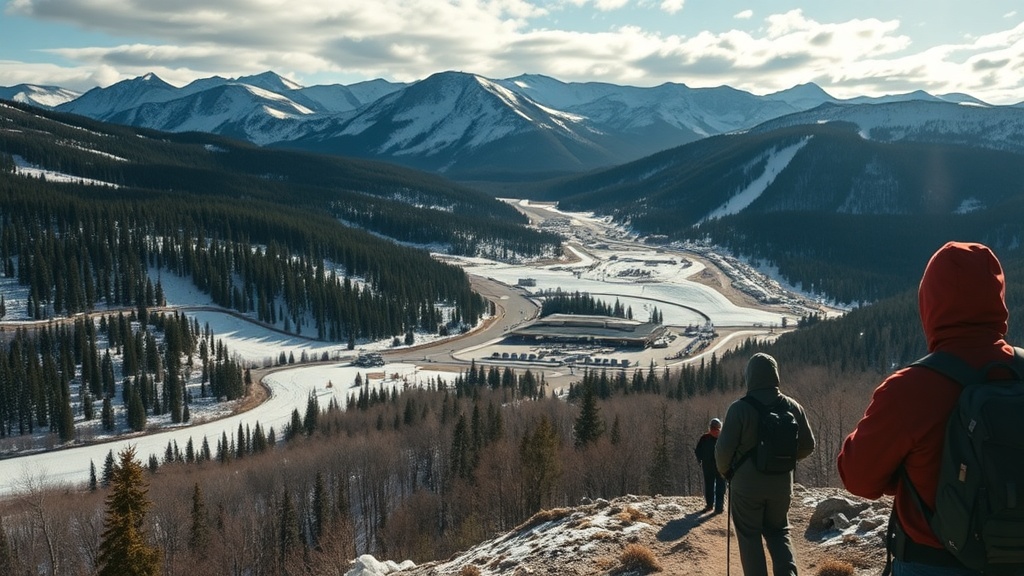
The latest storms have been a relief for ski resorts, many of which rely on snow for tourism revenue. Ski Utah, the organization that promotes the state's ski industry, highlighted that the recent snowfall has led to enhanced skiing conditions, with many resorts reporting packed powder and excellent visibility. "The recent storms have allowed us to open more terrain, which is beneficial for both our guests and the local economy," said a spokesperson for Park City Mountain Resort.
Looking ahead, meteorologists predict that the current patterns may shift, with a potential return to dry weather later this month. This could mean that, despite the recent uptick in snowpack levels, Utah might find itself facing another dry spell. As a result, water managers are closely monitoring the situation, preparing for the possibility that the state may need to implement conservation measures should conditions not improve.
Public awareness campaigns are already in place, urging residents to conserve water and be mindful of usage as the winter progresses. The Utah Division of Water Resources is promoting simple strategies, such as fixing leaks, using water-efficient appliances, and being conscious of outdoor water use.
As the state navigates these unpredictable weather patterns, Utah residents are reminded of the importance of snowpack not only as a key water resource but also as an integral part of the state's ecosystem. The interconnectedness of snow, water supply, and the environment underscores the need for continued monitoring and proactive management strategies.
While the recent storms have provided a temporary boost to Utah's snowpack, the upcoming weather patterns will play a crucial role in determining the overall health of the state's water resources as we move deeper into winter. With the looming threat of inversions and the potential for drier conditions, the state remains vigilant, understanding that the challenges of snowpack variability are far from over. The coming weeks will be critical in shaping the outlook for Utah's water supply and the various sectors that depend on it, emphasizing the critical nature of ongoing research and community engagement in water conservation efforts.