Feds Unveil Contingency Plan for Colorado River Amidst State Negotiations
The U.S. Bureau of Reclamation unveils a contingency plan for the Colorado River, urging states to finalize negotiations amid looming water shortages.
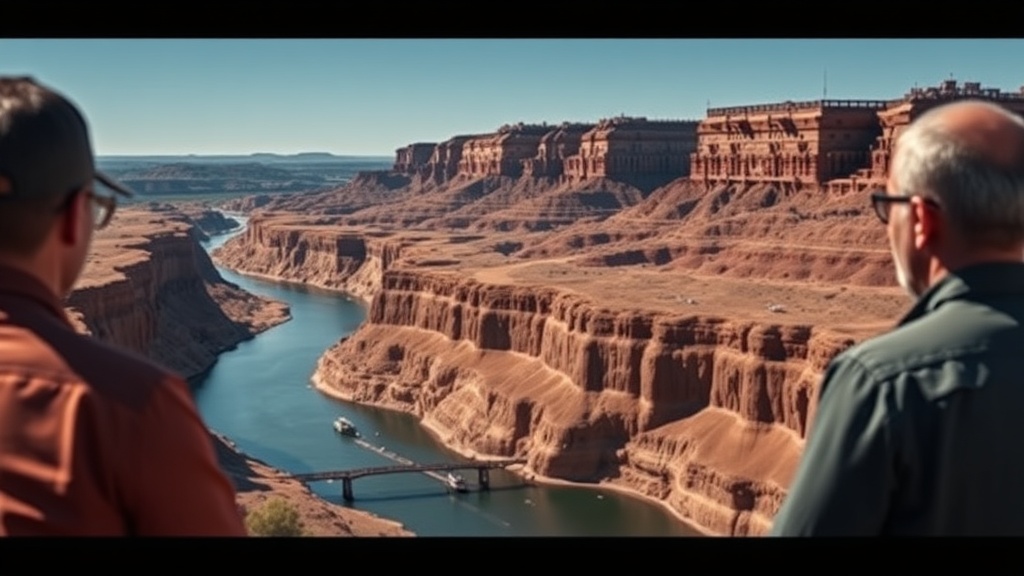
In a pivotal move that could reshape water management in the western United States, the U.S. Bureau of Reclamation has released a proposed plan for the Colorado River, outlining potential operational strategies should the seven states that rely on its waters fail to reach a consensus by the end of the year. This announcement, made on Friday, could significantly impact the water supply for over 40 million people across a region that has been grappling with drought and prolonged water scarcity.
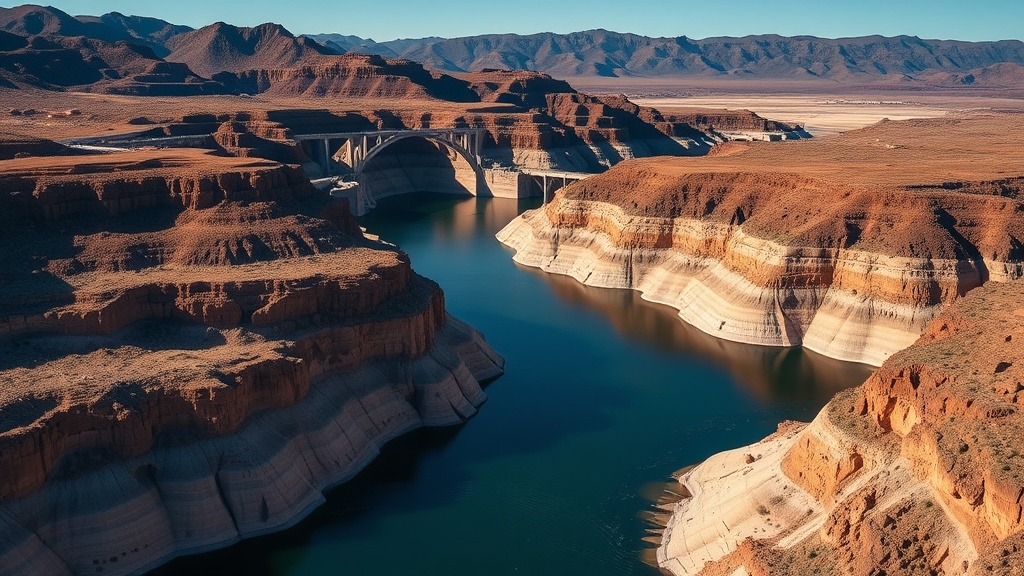
The Bureau's plan presents a range of alternatives regarding the operations at two critical reservoirs, Lake Powell and Lake Mead. These alternatives vary widely, from a 'no action' scenario, which would maintain current operations, to more drastic measures that could lead to severe water shortages in states like Utah, Arizona, and Nevada. The implications of these strategies underscore the urgency of negotiations among the states, which have been ongoing for several years but have yet to yield a comprehensive agreement.
Acting Commissioner Scott Cameron emphasized the importance of a collaborative approach in managing the river's resources. ‘Given the importance of a consensus-based approach to operations for the stability of the system, Reclamation has not yet identified a preferred alternative,’ he stated. Cameron also expressed hope that any future agreement would incorporate elements from the five alternatives outlined in the plan, ensuring a sustainable and effective management framework for the Colorado River.
The urgency of the situation has been underscored by warnings from the Trump administration, which has urged states to finalize a deal or risk facing the proposed federal alternatives. With existing agreements between the states set to expire at the end of this year, the stakes have never been higher. The Bureau of Reclamation's Draft Environmental Impact Statement (EIS) is considered a critical milestone in this complex process, as it lays out the potential future operations for the Colorado River post-2026.
Gene Shawcroft, the Colorado River Commissioner for Utah, commented on the implications of the draft, stating, ‘The release of the Draft Environmental Impact Statement for post-2026 Colorado River operations is an important milestone in a complex and consequential process.’ Shawcroft expressed his intent to review the draft thoroughly and to work closely with Basin State partners, water users, and the Bureau of Reclamation to ensure that any future operations protect Utah water users and align with the state's priorities.
The negotiations among the states have been fraught with tension. Upper Basin states, including Colorado and Utah, have accused Lower Basin states, such as California and Arizona, of over-allocating water resources. Conversely, the Lower Basin states argue that the Upper Basin should bear a larger share of water cuts. The ongoing drought has exacerbated these conflicts, with all seven states dealing with dwindling supplies and increasing demands on water resources. The forecast for hydrology remains grim, raising concerns about the long-term viability of the water supply from the Colorado River, which is the primary source for drinking water and irrigation in the region.
Despite the challenges, sources close to the negotiations report that incremental progress is being made. The states continue to engage in discussions, aiming to find common ground amidst the growing pressures of climate change and water scarcity. The Bureau of Reclamation has indicated that it will make its final decision regarding the Colorado River's management plan by October 1, following a public comment period. This timeline leaves a narrow window for the states to reach an agreement that could avert federal intervention.
In conclusion, the recent release of the proposed plan by the U.S. Bureau of Reclamation highlights the critical importance of collaborative water management in the face of ongoing environmental challenges. With the fate of water supplies for millions of residents hanging in the balance, the urgency for the seven states to find a workable solution has never been more pronounced. As negotiations continue, stakeholders remain hopeful that a consensus can be reached to ensure the sustainable management of one of the nation’s most vital water resources.
For further insights into how Utahns are affected by the water management issues surrounding the Colorado River, visit the Colorado River Collaborative's reporting at greatsaltlakenews.org/coloradoriver.