Unseasonably Warm Winter Shortens Wagon Rides at Hardware Wildlife Management Area
Wagon rides at Hardware Wildlife Management Area end early due to warm winter, affecting elk migration and visitor experiences.
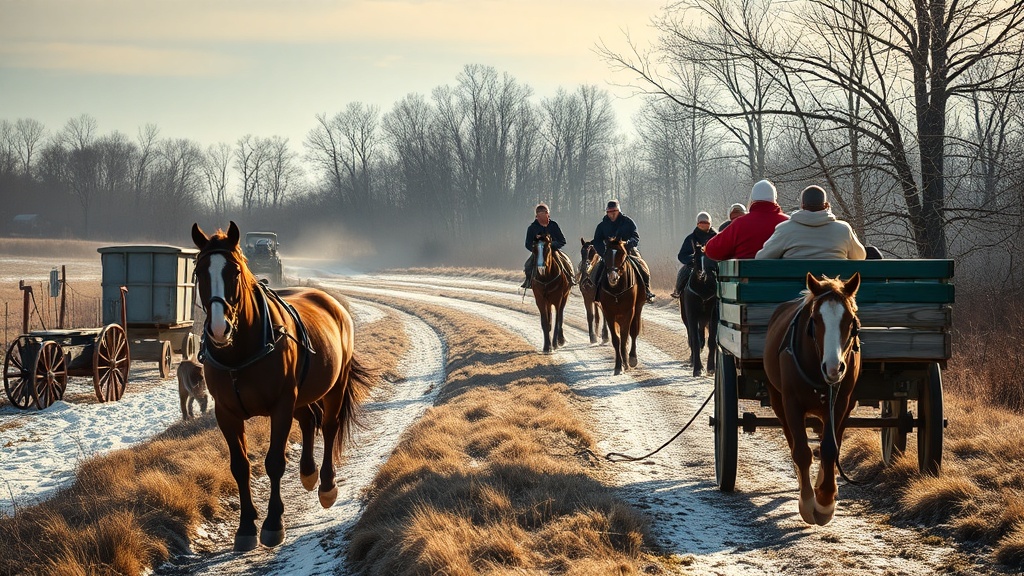
The Hardware Wildlife Management Area, a popular destination for wildlife enthusiasts in Utah, has announced that its annual wagon rides, which allow visitors to view the majestic elk herd, will conclude a week earlier than scheduled. This decision is primarily attributed to the unusually warm winter weather, which has significantly impacted wildlife migration patterns and the presence of snow in the area.
Typically, the wagon rides, offered each winter, provide a unique opportunity for families, nature lovers, and photographers to observe the elk in their natural habitat. The rides usually run from late December through early February, coinciding with the elk's migration period when they descend from the higher elevations of the mountains in search of food. However, this year has presented unforeseen challenges as temperatures have remained unseasonably high, leading to a lack of snowfall that normally facilitates the movement of the elk down from their winter ranges.
According to local wildlife biologist Dr. Emily Hart, the warm temperatures have not only delayed the migration but have also caused the elk to remain in higher elevations where food may be more plentiful. "Elk are sensitive to changes in their environment. Without the cold, snowy conditions that usually push them down to lower elevations, many are simply not moving as they normally would," Hart explained.
The lack of snow has also impacted the overall ecosystem of the Hardware Wildlife Management Area. The region, known for its diverse wildlife and scenic views, relies on winter snowpack to replenish water supplies during the drier months. Observers have noted that the absence of snow is causing a ripple effect, influencing not just the elk but also other species that depend on the same habitat.
Many visitors who had planned to experience the wagon rides have expressed disappointment over the early closure. "We come every year to see the elk. It's a family tradition, and we were really looking forward to it this time," said local resident Sarah Miller, who brought her children to the area for the rides. "We understand that nature is unpredictable, but it’s disheartening to see such changes happening."
The Utah Division of Wildlife Resources manages the Hardware Wildlife Management Area and has been closely monitoring the elk population and their behavior. Officials are hopeful that as winter progresses, colder temperatures may still bring some snow, allowing for a late migration and possibly extending the wagon rides if conditions improve. However, with forecasts continuing to predict warmer weather, the outlook remains uncertain.
Wildlife management experts have been emphasizing the importance of adapting to climate change and understanding its effects on wildlife behavior. Dr. Hart noted that this year could serve as a case study for how warmer winters impact wildlife migration patterns in the long term. "As we continue to see changes in our climate, we need to be prepared for the consequences on our ecosystems and the species that inhabit them," she said.
In light of the shortened wagon ride season, the Division of Wildlife Resources is exploring alternative educational programs to engage visitors and raise awareness about wildlife conservation. These programs may include guided hikes, nature walks, and talks about the local ecosystem and the challenges posed by climate change.
As the winter season continues, officials encourage residents and visitors to keep an eye on updates regarding wildlife activities in the area. Despite the challenges faced this year, the Hardware Wildlife Management Area remains committed to preserving the natural habitat and promoting an understanding of wildlife conservation.
In conclusion, while the early wrap-up of the wagon rides at Hardware Wildlife Management Area reflects the broader impact of climate variability on wildlife, it also serves as a reminder of the delicate balance within our ecosystems. Wildlife officials and the community are hopeful that as we move forward, more sustainable practices and awareness can mitigate some of the challenges posed by changing weather patterns. For now, the focus remains on monitoring the elk and adapting to the ongoing shifts in their behavior as they navigate an unpredictable winter.