Bridging Perspectives: Farmers, Hunters, and Conservationists Unite in Utah
Farmers, hunters, and conservationists in Utah unite to tackle environmental challenges through collaboration and shared goals.
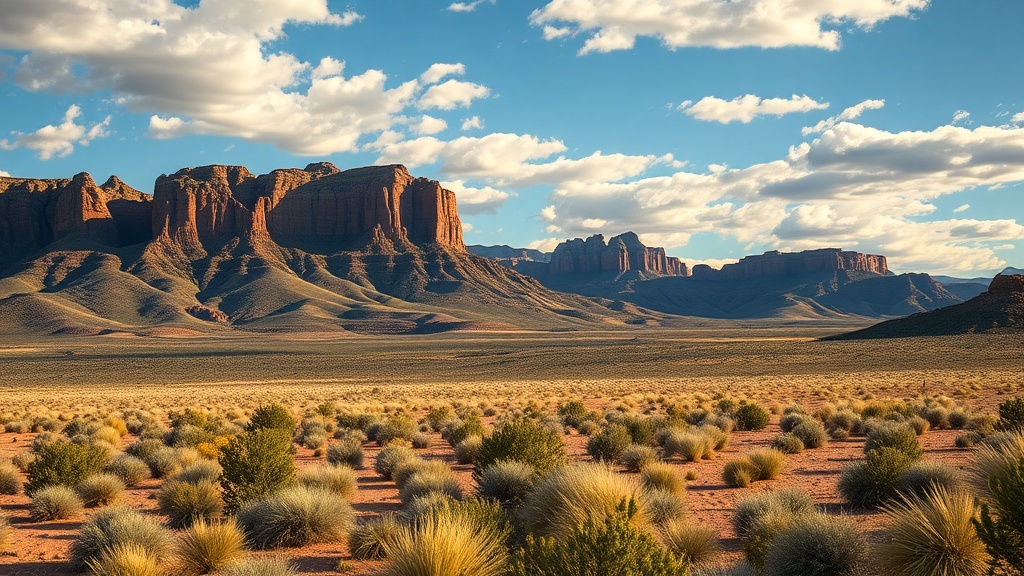
As the sun rises over Utah's breathtaking landscapes, a unique collaboration is taking shape among farmers, hunters, and conservationists. This week, Inside Voices shines a light on this cooperative spirit, showcasing how these diverse groups navigate their common interests and work together to preserve the state's rich natural resources. In a climate often fraught with division and contention, this partnership serves as a model for constructive dialogue and shared goals.
Utah, known for its vast expanses of agricultural land and abundant wildlife, presents an intricate tapestry of interests. Farmers, who have long relied on the land for their livelihoods, are increasingly recognizing the importance of sustainable practices that protect the environment. With climate change and water scarcity becoming pressing issues, many are adopting methods that not only ensure their crops thrive but also preserve the ecosystem around them.
For instance, farmers are now employing crop rotation and cover cropping techniques to enhance soil health and reduce runoff into nearby rivers and lakes. These practices not only yield better harvests but also safeguard vital habitats for wildlife. "We are stewards of the land, and it's our responsibility to farm in a way that honors that, " says John Miller, a third-generation farmer in the Cache Valley. His commitment to sustainable agriculture reflects a growing trend among Utah's farming community, demonstrating a willingness to adapt for the greater good.
Meanwhile, hunters have historically been viewed as a separate entity from environmentalists, but this perception is changing. Many hunters are now stepping into the role of conservation advocates, emphasizing the need for balanced ecosystems. They understand that healthy habitats contribute to robust wildlife populations, which in turn enhances their hunting experiences. "When we protect the environment, we’re also protecting our sport, " states Lisa Johnson, a local hunter and member of the Utah Wildlife Federation. Her organization works tirelessly to promote responsible hunting practices and support conservation efforts that benefit both wildlife and their habitats.
The dialogue between farmers and hunters has opened doors to collaboration that was once thought impossible. Recent initiatives have brought these groups together for joint projects aimed at habitat restoration and wildlife protection. For example, a collaborative project in the Bear River Migratory Bird Refuge has seen farmers and hunters working side by side to restore wetlands crucial for migratory birds. This multi-faceted approach not only benefits wildlife but also enhances the agricultural landscape, creating a mutually beneficial outcome.
Conservationists, too, play a vital role in this partnership. Organizations dedicated to preserving Utah's natural beauty are finding common ground with both farmers and hunters. They advocate for policies that protect the environment while also respecting the rights and needs of agricultural producers and outdoor enthusiasts. Programs such as the Utah Conservation Corps have been instrumental in fostering this collaboration, engaging community members in restoration projects that emphasize the interconnectedness of farmland, wildlife habitats, and recreational spaces.
The importance of this collaboration cannot be overstated. Climate change, habitat loss, and water scarcity are urgent issues that threaten the delicate balance of Utah's ecosystems. By coming together, farmers, hunters, and conservationists can pool their resources and knowledge to tackle these challenges more effectively. "We all have a stake in this land, and we need to work together to ensure its future, " asserts Mark Davis, a conservation officer with the Utah Division of Wildlife Resources.
As this cooperative spirit continues to grow, there is hope for a new model of environmental stewardship in Utah. The successes of collaborative projects are paving the way for more dialogue and understanding among these historically disparate groups. It is a testament to the power of shared goals and mutual respect, demonstrating that when people come together over common interests, they can create lasting change.
In conclusion, the partnership between farmers, hunters, and conservationists in Utah is a shining example of how collaboration can lead to meaningful progress. By embracing their shared responsibilities and working together, these groups are not only safeguarding Utah's natural resources but also setting a precedent for other states facing similar challenges. The journey towards sustainability and environmental stewardship is ongoing, but with united efforts, a brighter future for Utah's landscapes and wildlife is within reach. As this week’s Inside Voices highlights, the common ground found in cooperation is a powerful force for positive change in our communities, paving the way for a more harmonious coexistence between agriculture, recreation, and conservation.