Understanding Trump's Disconnect with Latino Voters Beyond Economic Issues
Trump's challenges with Latino voters extend beyond economic dissatisfaction, rooted in deeper social and political issues.
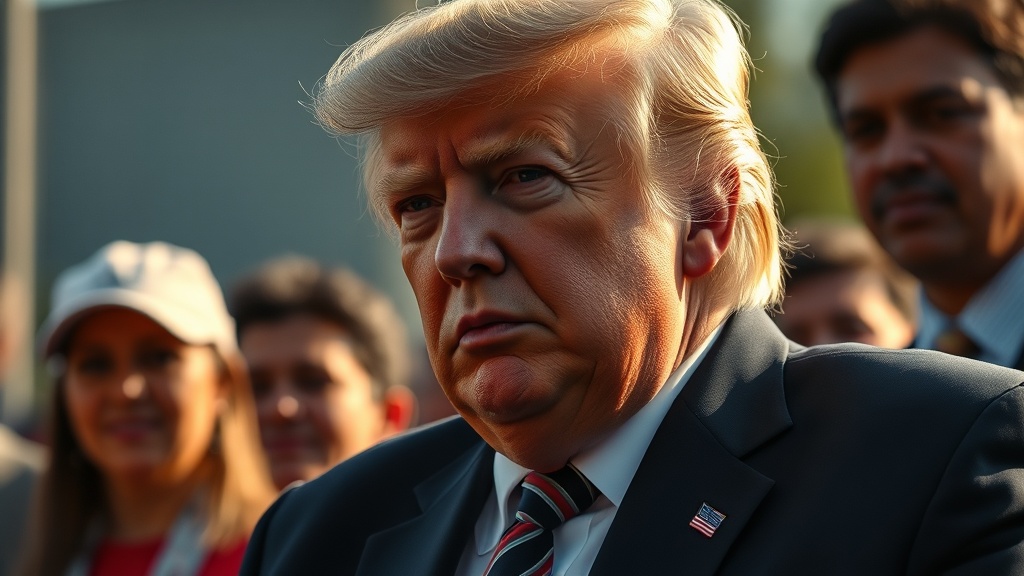
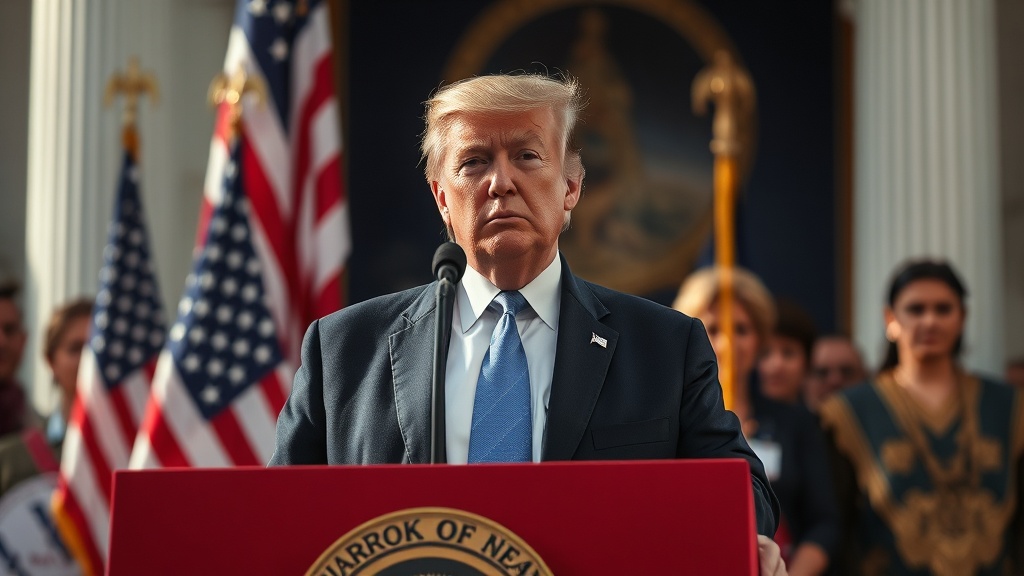
In the lead-up to the 2024 presidential election, former President Donald Trump faces a significant challenge: his declining support among Latino voters. While economic concerns have often been highlighted as a primary factor driving dissatisfaction, recent analyses indicate that deeper, underlying issues contribute to this growing disconnect. As Trump seeks to regain favor with this vital demographic, understanding the complexities of their grievances may prove essential for his campaign's success.
Historically, Latino voters have played a crucial role in American elections, particularly in swing states such as Arizona, Nevada, and Florida. According to recent polls, Trump's approval rating among Latinos has slipped dramatically since his presidency, with many expressing disappointment not only with his economic policies but also with his approach to immigration, healthcare, and social issues. A survey from the Pew Research Center shows that only 28% of Latino voters supported Trump in the 2020 election, a stark contrast to the 45% he garnered in 2016.
One of the most pressing concerns for Latino communities is Trump's immigration policy. His administration's hardline stance, which included family separations at the border and attempts to end the Deferred Action for Childhood Arrivals (DACA) program, has left many feeling targeted and marginalized. "For many Latinos, Trump's rhetoric and policies have felt like a direct attack on their communities and families," says Dr. Maria Gonzalez, a political scientist at the University of Southern California. "These actions have fostered a sense of fear and alienation, which cannot be easily mitigated by economic promises."
Further complicating matters, the COVID-19 pandemic disproportionately affected Latino communities, exposing systemic inequities in healthcare access and economic stability. Many Latino families faced job losses and heightened health risks, leading to a pervasive sense of vulnerability. In this context, Trump's response to the pandemic, characterized by mixed messaging and a lack of targeted support for minority communities, has further eroded trust.
Additionally, social issues such as racial justice and police reform resonate deeply within Latino communities. The Black Lives Matter movement and recent protests against police brutality have prompted many Latinos to reflect on their own experiences with systemic inequality. Trump's dismissal of these movements, often labeling them as divisive, has alienated potential supporters who might otherwise align with his economic platform. Many Latino voters are looking for a leader who acknowledges and addresses these complex social realities, rather than one who seems to ignore them.
Moreover, Trump's communication style and rhetoric have often been perceived as inflammatory. His tendency to use derogatory language or make sweeping generalizations about immigrant communities has contributed to a perception of insensitivity. "His approach can be seen as a wolf in sheep's clothing," notes political analyst Javier Ruiz. "While he may present himself as a friend to some Latino leaders, his actions and words often betray a disregard for the community as a whole."
As the 2024 campaign unfolds, Trump will need to engage with Latino voters on a more profound level if he hopes to regain their support. This includes addressing their concerns about immigration reform, healthcare access, and social justice openly and constructively. Experts suggest that his campaign should prioritize outreach efforts that emphasize genuine understanding and collaboration, rather than relying solely on economic messaging.
In contrast, President Joe Biden has made significant strides in connecting with Latino communities by prioritizing comprehensive immigration reform and acknowledging the challenges posed by the pandemic. His administration has also made efforts to include Latino voices in decision-making processes, fostering a sense of representation that many in the community feel has been lacking.
As the election approaches, both parties will undoubtedly intensify their efforts to win over Latino voters, a demographic that continues to grow in influence. For Trump, addressing the multifaceted issues affecting Latino communities will be critical to reversing his declining support. Ignoring these deeper concerns may not only hinder his campaign but could also have lasting implications for the Republican Party's relationship with Latino voters in the years to come.
In conclusion, while economic dissatisfaction plays a role in Latino voters' disillusionment with Trump, it is the deeper issues of immigration, healthcare, social justice, and effective communication that are pivotal. The former president's ability to navigate these complexities will be instrumental in determining his electoral fate in the upcoming election.