FBI's Raid on Journalist's Home Raises Concerns Over Press Freedom
The FBI's raid on a Washington Post reporter raises serious questions about press freedoms and national security in America.
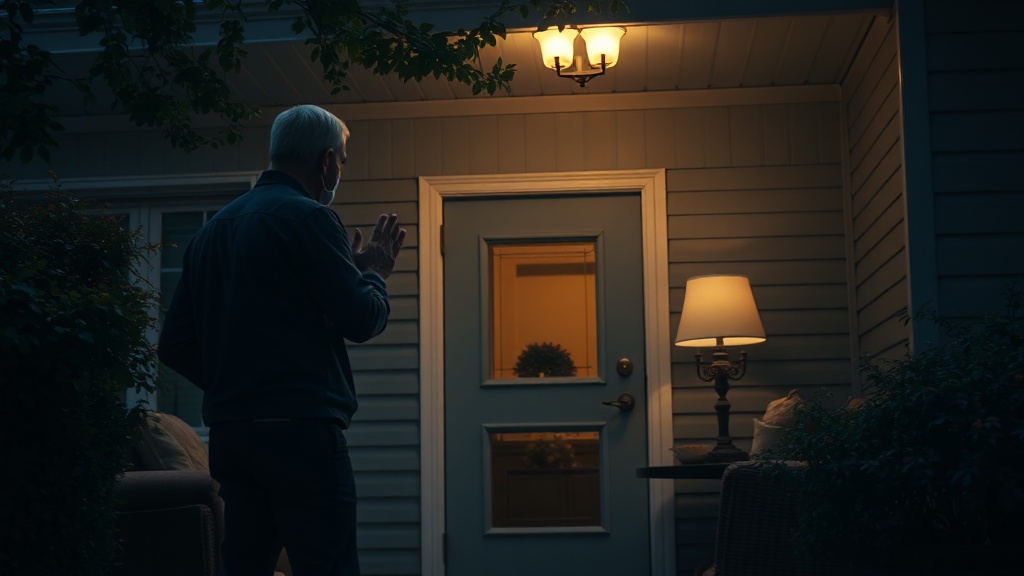
In a significant development concerning press freedoms and national security, the FBI executed a raid on the home of a Washington Post reporter on Wednesday. This incident has ignited widespread debate over the balance between national security interests and the protection of journalistic integrity. Attorney General Pam Bondi defended the agency's actions, emphasizing that the raid was part of an ongoing investigation into a potential violation of the Espionage Act. The Espionage Act is a century-old law aimed at preventing unauthorized disclosure of information related to national defense, which the federal government argues could pose a risk to U.S. security.
The FBI's operation appears to stem from allegations that the reporter had access to sensitive information that, if disclosed, could undermine national security. While details surrounding the specific investigation remain under wraps, sources familiar with the situation indicated that the case involves classified information that may have been leaked to the press. Such actions, according to the Justice Department, could lead to severe consequences under the Espionage Act, which has been a contentious point in discussions about press freedoms in recent years.
Critics of the raid argue that such aggressive tactics by the FBI signal a troubling shift in how the federal government views the press. Many contend that this marks an escalation in the Trump administration’s ongoing conflict with the media, following a series of public attacks on journalists and news organizations. The Washington Post, renowned for its investigative reporting, has been at the forefront of exposing various political scandals, including those involving the current administration. The actions taken against its reporter have raised alarms among media advocates, who fear that this could set a dangerous precedent for how the government interacts with members of the press.
Media organizations, civil liberties groups, and legal experts have rallied in defense of press freedoms, arguing that the First Amendment protects journalists from government overreach. They assert that the FBI's raid could have a chilling effect on investigative journalism, as reporters may feel less secure in their ability to uncover and report on sensitive issues without fear of government retaliation. "This is a direct attack on the freedom of the press," stated a spokesperson from the Reporters Committee for Freedom of the Press. "If journalists cannot operate without the threat of federal intervention, the public will ultimately suffer due to a lack of accountability in government."
The implications of this raid extend beyond just the immediate situation. Legal scholars worry that if the government is allowed to pursue cases against journalists under the Espionage Act, it could lead to broader censorship and a decrease in the public's access to vital information. "The Espionage Act was never intended to be used against journalists, and its application in this context is highly problematic," noted a law professor specializing in media law. Historical precedents show that the act has often been used to target individuals leaking information that could embarrass the government rather than genuinely pose a threat to national security.
In response to the raid, the Washington Post has expressed its commitment to protecting its reporters and their sources. The newspaper released a statement denouncing the FBI's actions, calling them an infringement on press freedoms. "The ability of journalists to gather news without fear of government interference is fundamental to democracy," the statement read. The paper's leadership has also indicated that it is considering all legal options to defend its reporter and challenge the legality of the FBI's actions.
As the fallout from this incident continues to unfold, questions linger about the future of press freedoms in the United States. The Biden administration, which has indicated a desire to improve relationships with the media, now faces the challenge of addressing concerns about governmental overreach in the context of national security. Advocacy groups are calling for reforms to ensure that the rights of journalists are protected in the face of such aggressive tactics.
In conclusion, the FBI's raid on a Washington Post reporter's home represents a critical juncture in the ongoing debate over national security and press freedom. While the government argues that such actions are necessary to safeguard the nation, many fear that the erosion of journalistic protections could undermine democracy itself. As this situation develops, it will likely spur further discussions about the delicate balance between ensuring national security and upholding the principles of a free press, a cornerstone of American democracy.